
-
About Us
Why Choose Us?
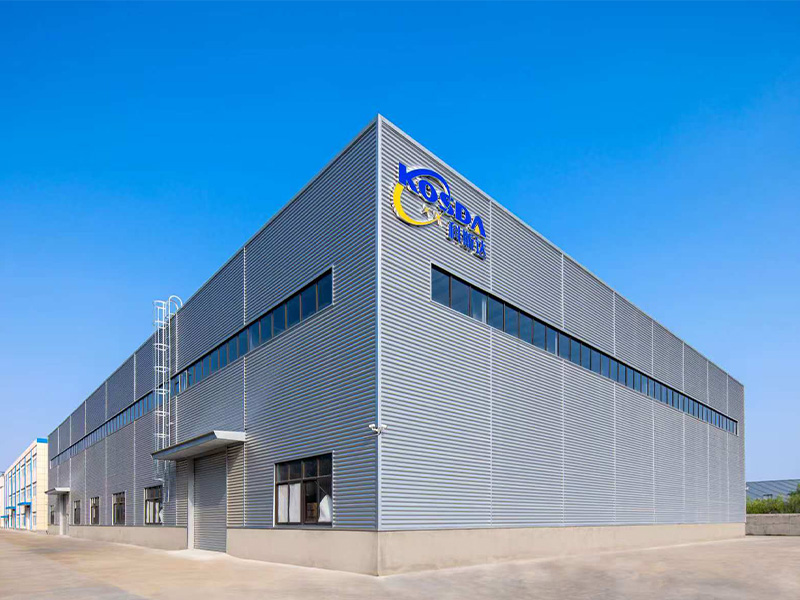
Ningbo Kosda New Material Technology Co., Ltd. was established in 2015 and is located in the Ningbo Binhai Economic Development Zone, China, which is the world's largest deep-water port in terms of throughput and a civilized city in China. It is a large modern production enterprise that integrates the design, research and development, production, and sales of paper products. The company adheres to the principle of quality development, advocates green and environmentally friendly products, and promotes the industrialization of high-tech. Starting from meeting customer needs, we provide high-quality and efficient services.
 Modern Green And Environmentally Friendly Paper Product Manufacturer
 -
Products

-
News




 English
 French
 Español
 German

Industry News
How to Choose Recyclable Disposable Meal Containers for Your Food Business
Content
- 1 How to Ch/product/oose Recyclable Disposable Meal Containers for Your Food Business
- 2 Recyclable vs Compostable vs Biodegradable: What the Labels Actually Mean
- 3 Material Options Compared
- 4 Choosing the Right Lid Design for Hot Food and Liquids
- 5 Single-Compartment vs Multi-Compartment Containers
- 6 Market Data: Where Demand for Sustainable Packaging Is Heading
- 7 Container Structure at a Glance
- 8 Checklist for Comparing Suppliers
- 9 Company Introduction
- 10 Frequently Asked Questions
- 10.1 Q1: Are all recyclable disposable meal containers also compostable?
- 10.2 Q2: What is the best container type for hot, greasy food?
- 10.3 Q3: How many compartments should a meal prep container have?
- 10.4 Q4: Is a container listed as recyclable on a marketplace like Amazon guaranteed to be recyclable everywhere?
How to Ch/product/oose Recyclable Disposable Meal Containers for Your Food Business
The short answer is that choosing the right recyclable disposable meal containers comes down to four checks: matching the base material to your food type, confirming the lid seals properly for hot or liquid contents, selecting single or multi-compartment structure based on menu format, and verifying that any compostable or recyclable claim actually matches your local waste collection system. Getting these four points right generally matters more than comparing container price alone, since a container that leaks, warps under heat, or cannot actually be processed by local recycling facilities creates costs that outweigh a lower unit price. This guide walks through each of these checks in more detail, compares common material options side by side, and looks at current market data on where demand for sustainable takeaway packaging is heading. Whether you are sourcing disposable meal prep containers for a catering business or comparing recyclable disposable meal containers wholesale for a restaurant chain, the same core selection logic applies.
Recyclable vs Compostable vs Biodegradable: What the Labels Actually Mean
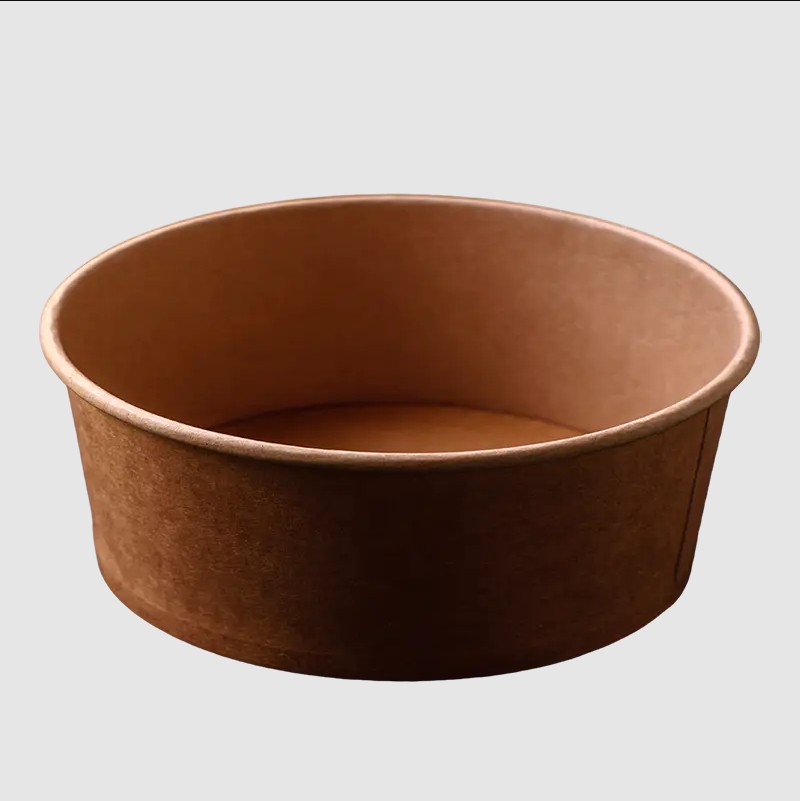
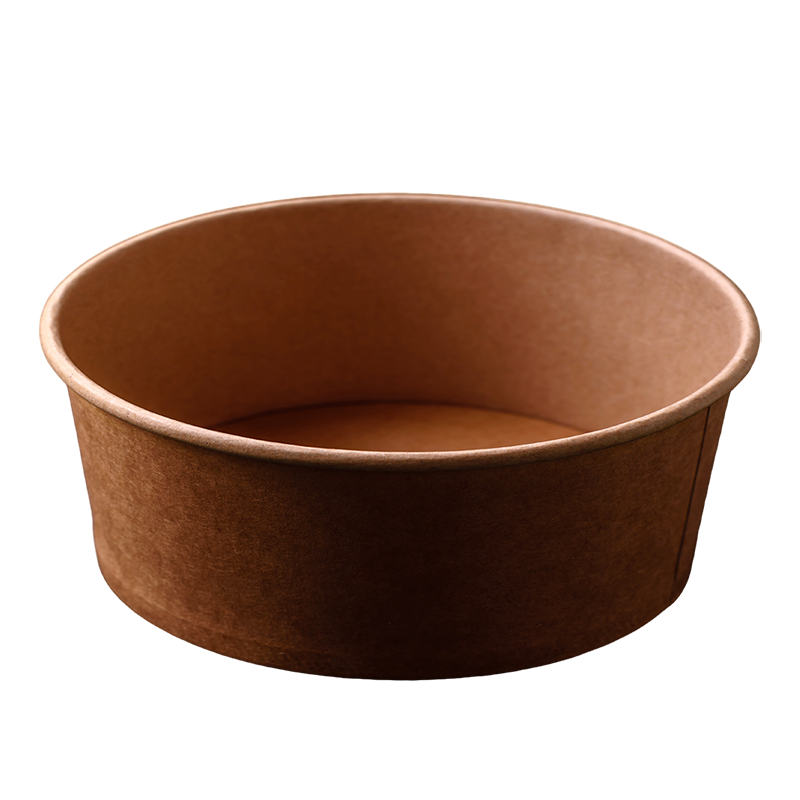
These three terms are often used interchangeably in marketing copy, but they describe different end-of-life outcomes and buyers should not assume one label guarantees another. Recyclable means the material can be reprocessed into new material through an existing recycling stream, but only if local infrastructure actually accepts that material type, which is not consistent across regions. Compostable means the item breaks down into non-toxic organic matter under specific conditions, and this is further split between industrial composting, which needs controlled heat and moisture, and home composting, which works at lower temperatures over a longer period. Biodegradable is the broadest and least regulated of the three terms, since it only implies that a material will break down eventually without specifying a timeframe or the conditions required. A kraft disposable food container, for example, is generally recyclable through standard paper recycling streams as long as it is not heavily coated with plastic film, while a container with a PLA liner may be compostable only in an industrial facility rather than a home composting bin.
Material Options Compared
Four material categories cover most of what is currently available for recyclable paper food containers and related eco-friendly formats. Each one trades off differently on grease resistance, heat tolerance, and end-of-life handling, which is why matching material to food type matters more than picking the option marketed as the most sustainable in general terms.
| Table 1: Common material options for recyclable and compostable meal containers | |||
| Material | Heat Tolerance | Grease Resistance | Typical End-of-Life Path |
| Kraft paperboard | Moderate | Moderate with coating | Curbside paper recycling |
| Molded fiber (bagasse/pulp) | High | High | Industrial or home compost |
| PLA-lined paper | Moderate | High | Industrial compost only |
| Recycled plastic (rPET) | Low for hot food | High | Curbside plastic recycling |
Molded fiber generally performs best for hot, oily food since it holds shape without added coating, which is part of why bagasse-based clamshells are common for grilled and fried items. Kraft paperboard is a practical middle-ground choice for boxed meals and sandwiches where moderate grease exposure is expected but the container also needs to look presentable at point of sale. PLA-lined paper is often chosen for cold drinks and salads because the lining resists moisture well, though buyers should confirm their local waste stream actually processes PLA before marketing an item as compostable. Recycled plastic containers with lids remain useful for cold meal prep and refrigerated storage but are generally not recommended for hot food service due to lower heat tolerance compared to fiber-based options.
Choosing the Right Lid Design for Hot Food and Liquids
Disposable containers with lids for hot food need a tighter seal fit than cold-use containers, since steam buildup can warp a loose lid or cause condensation to pool and soften the container base during transport. A vented lid design, with small perforations or a raised ridge, helps release steam gradually and reduces the sogginess that affects fried and steamed items during delivery. For liquid-heavy dishes like soups or sauces, a snap-fit or crimped-edge lid generally holds a more reliable seal than a simple flat lid resting on a lip, which matters more for delivery orders than for dine-in service where spills are noticed immediately. Matching lid material to base material also affects recyclability, since a paper base with a plastic lid may need to be separated by the end user before either part can be properly recycled or composted. Buyers evaluating best recyclable disposable meal containers for a delivery-heavy menu should request a seal test sample rather than relying on a supplier's general description of leak resistance.
Single-Compartment vs Multi-Compartment Containers
Disposable food containers with compartments are generally chosen for meal prep programs and combo-style menus where separating sauce, protein, and sides prevents sogginess and keeps flavors distinct until the customer is ready to eat. Single-compartment containers remain the more practical choice for mixed dishes like stir-fries, rice bowls, or pasta where separation is not needed and a larger single space allows easier reheating. Two and three-compartment trays are the most common configurations for compostable meal prep containers with lids, since they cover most standard combinations of a protein, a starch, and a vegetable side without over-segmenting the tray. A higher compartment count generally increases per-unit material cost and can reduce total food volume per container, so matching compartment count to actual menu structure avoids paying for divisions that a kitchen does not use. Buyers planning a weekly meal prep line should request compartment volume specifications in milliliters or ounces per section rather than judging capacity from a container photo alone.
Market Data: Where Demand for Sustainable Packaging Is Heading
According to Grand View Research, the global eco-friendly food packaging market was valued at close to USD 228 billion in 2024 and is projected to grow at roughly a 7.6 percent CAGR through 2030. The area chart below illustrates this growth trajectory using the reported 2024 baseline and projected endpoint.
This growth curve reflects steady rather than sudden expansion, which lines up with how food packaging regulation typically rolls out through gradual phase-in periods rather than immediate mandates. The consistent upward slope across the period suggests that demand growth is broad-based across regions rather than concentrated in a single market spike. For a food business, this trend generally supports treating a shift toward recyclable or compostable containers as a durable operational change rather than a short-term response to a single regulation. Separately, Mordor Intelligence reports the related sustainable foodservice packaging segment was worth close to USD 70 billion in 2026, growing at roughly a 6 percent CAGR through 2031, which is a somewhat narrower but directionally similar trend. Both data sets point toward continued, gradual growth in this category rather than a temporary pandemic-era trend that has since leveled off.
The donut chart below breaks down eco-friendly food packaging demand by material category, based on Grand View Research's reported material segment shares.
Recyclable materials hold the largest single share of the eco-friendly packaging category, which Grand View Research attributes partly to established recycling infrastructure making this option easier for both suppliers and municipalities to support at scale. Compostable materials hold a smaller but meaningful share, generally concentrated in regions or cities with active industrial composting programs rather than spread evenly worldwide. The remaining share covers a mix of biodegradable and other emerging material types, including newer options like molded fiber blends that do not fit neatly into a single category. This distribution suggests that a business sourcing kraft disposable food containers or recyclable paper food containers is aligning with the largest existing demand segment rather than a niche one. It also explains why many manufacturers continue to expand recyclable paper-based lines even while investing separately in compostable options, since both categories are growing rather than one replacing the other.
The stacked bar chart below compares end-use segment share for foodservice against other application categories, based on Grand View Research's 2024 application breakdown.
Foodservice accounts for a substantial share of overall demand on its own, even though it is outweighed in combined terms by retail and other application categories. This indicates that restaurants, caterers, and delivery kitchens represent a large and identifiable buyer group rather than a marginal segment within the broader eco-friendly packaging market. The comparatively even split between foodservice and other end uses also suggests that manufacturers serving this category are unlikely to deprioritize it in favor of retail packaging, since both segments contribute meaningfully to overall volume. For a restaurant or catering business, this points toward a reasonably stable supplier base focused on food packaging for restaurants, rather than a market where foodservice-specific products are treated as an afterthought. It also means buyers can expect continued product development attention directed at foodservice-specific features like stackability, leak resistance, and compartment design.
The gauge below visualizes the recyclable material segment's reported revenue share within the broader eco-friendly food packaging category.
A 43 percent share held by a single material category is a fairly strong lead, especially in a market segmented across as many material types as eco-friendly food packaging generally is. This level of adoption suggests the recycling supply chain and consumer familiarity for recyclable materials are more developed than for compostable or fully biodegradable alternatives at this point in the market's evolution. That does not mean compostable options are a poor choice, since their smaller current share is influenced heavily by inconsistent composting infrastructure across regions rather than by product performance. For buyers deciding between recyclable disposable meal containers and compostable alternatives, this data point is a reasonable signal that recyclable options currently have broader end-of-life support in more locations. It is still worth confirming actual recycling acceptance in your specific city or region, since national or global averages do not guarantee local infrastructure matches the reported trend.
Container Structure at a Glance
The diagram below shows a typical two-compartment kraft container with a fitted lid, labeled to highlight the structural points most relevant to the selection factors covered above.
The vented lid seam shown here is the feature most relevant to hot food performance, since it allows steam to escape gradually rather than collecting under a fully sealed lid. The compartment divider wall separates two food zones without needing a fully removable insert, which keeps the container simpler to produce and recycle as a single material stream. A kraft paperboard base of this type is generally recyclable through standard paper channels as long as any coating used remains within a low enough plastic content to meet local recycling guidelines. This structure is representative of a common format used for combo meals and two-item takeaway orders rather than a single fixed product specification.
Checklist for Comparing Suppliers
- Confirm the specific recycling or composting certification and which regions actually accept that certification
- Request a physical sample tested with your actual food type rather than a generic demonstration sample
- Check compartment volume in milliliters or ounces against your standard portion sizes
- Ask about minimum order quantity for recyclable disposable meal containers wholesale pricing tiers
- Verify lid fit under stacking conditions, since delivery bags often stack containers during transport
Buyers researching options through general marketplaces, including product listings on Amazon, often use those listings mainly to compare visible design features and packaging counts, but wholesale specification sheets from a manufacturer typically provide more complete material and certification detail than a retail listing alone. Cross-checking a marketplace listing against a supplier's direct specification sheet is a reasonable way to confirm claims like recyclable disposable meal containers with lids before placing a larger order.
Company Introduction
Ningbo Kosda New Material Technology Co., Ltd. is a China OEM/ODM catering packaging manufacturer and sustainable food packaging supplier established in 2015 and located in the Ningbo Binhai Economic Development Zone, home to one of the world's largest deep-water ports by throughput and recognized as a civilized city in China. The company is a large modern production enterprise that integrates design, research and development, production, and sales of paper products. Kosda's operating approach is built around quality-focused development and a preference for green, environmentally friendly materials, alongside continued investment in higher-technology production methods. Starting from a clear understanding of customer needs, the company aims to provide efficient, dependable service across its recyclable and compostable food container lines and broader catering packaging product range.
Frequently Asked Questions
Q1: Are all recyclable disposable meal containers also compostable?
No, recyclable and compostable describe different end-of-life processes, and a container can be one, both, or neither depending on its specific material and coating.
Q2: What is the best container type for hot, greasy food?
Molded fiber containers such as bagasse-based clamshells generally handle hot, greasy food well because the material holds shape without added plastic coating.
Q3: How many compartments should a meal prep container have?
This depends on the menu, but most meal prep programs are well served by two or three compartments, since more sections can reduce total food volume without adding practical benefit.
Q4: Is a container listed as recyclable on a marketplace like Amazon guaranteed to be recyclable everywhere?
No, a recyclable label generally reflects the material's general recyclability, but actual acceptance still depends on local waste collection rules, so it is worth checking with local facilities directly.
Your email address will not be published. Required fields are marked *

-
Modern Green And Environmentally Friendly Paper Product Manufacturer
-
Quick Links
Home About Us Products News Contact Us -
Product Categories
Paper Plates Paper Cup Paper Napkin Paper Food Container Disposable Paper Tablecloth Wrapping Paper Roll Paper Cutlery -
Contact Us
 Tel: +86-13967818265
0086-13646629749 E-mail: [email protected]
E-mail: [email protected]
E-mail: [email protected]
E-mail: [email protected]
 Whatsapp: 008613646629749
 Add: 1036 Cidong Avenue, Binhai Economic Development Zone, Ningbo City, Zhejiang Province, China
