
-
About Us
Why Choose Us?
Ningbo Kosda New Material Technology Co., Ltd. was established in 2015 and is located in the Ningbo Binhai Economic Development Zone, China, which is the world's largest deep-water port in terms of throughput and a civilized city in China. It is a large modern production enterprise that integrates the design, research and development, production, and sales of paper products. The company adheres to the principle of quality development, advocates green and environmentally friendly products, and promotes the industrialization of high-tech. Starting from meeting customer needs, we provide high-quality and efficient services.
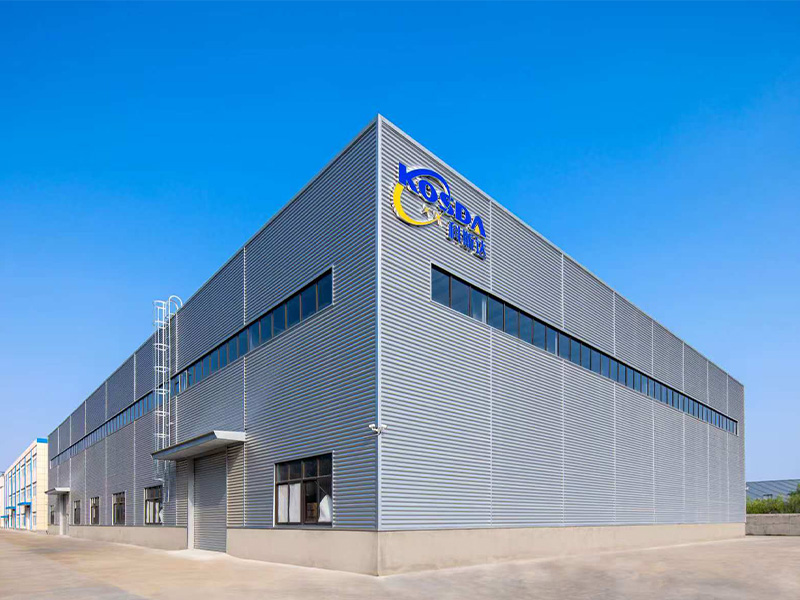 Modern Green And Environmentally Friendly Paper Product Manufacturer
 -
Products

-
News


 English
 French
 Español
 German

Industry News
Paper Bowls Guide: Types, Materials & How to Choose a Supplier
For most restaurants, cafes, and food brands comparing single-use tableware, paper bowls are the most practical choice when the priority is a leak-resistant, heat-tolerant container that also carries a lighter environmental footprint than plastic or foam alternatives. A properly built paper bowl pairs a paperboard base with a food-safe coating, and together these two layers let it hold soups, noodles, rice bowls, salads, and snacks without softening or leaking mid-service. This guide walks through the common types of paper bowls on the market, how they are structured, where each type performs best, how paper bowls compare with other serviceware materials, and what buyers should keep in mind before placing a bulk order with a paper bowls manufacturer or paper bowls supplier, including how weather around China's eastern ports can affect shipping schedules during certain months of the year.
Whether the goal is moving a delivery menu away from plastic containers, sourcing private-label packaging for a growing food chain, or simply comparing coating options before a first order, the sections below are organized so a buyer can jump straight to the part that matters most, from product types and structure through to logistics and supplier selection.
Content
- 1 Common Types of Paper Bowls and Their Characteristics
- 2 Structure and Manufacturing Principles of Paper Bowls
- 3 Application Scenarios and Selection Criteria
- 4 Paper Bowls vs Common Alternatives: A Detailed Comparison
- 5 Regulatory and Market Trends Driving Demand
- 6 Growth Outlook for Eco-Friendly Foodservice Packaging
- 7 Storage, Handling and Quality Maintenance Guidance
- 8 Logistics, Lead Times and Seasonal Shipping Considerations
- 9 Choosing a Reliable Paper Bowls Manufacturer for a Long-Term Partnership
- 10 Frequently Asked Questions
Common Types of Paper Bowls and Their Characteristics
Paper bowls are not a single, uniform product. Once a buyer starts requesting quotes from a paper bowls factory, it quickly becomes clear that wall construction, coating, and rim design all change depending on what the bowl needs to hold and for how long. Industry segmentation from market research firms generally splits the category into round and square formats, with round remaining the dominant shape across foodservice channels because it nests efficiently for storage and dispensing. Within that shape, the real differences that matter to a buyer sit in the wall construction and the coating, since those two factors determine whether a bowl is suited to a cold salad or a simmering bowl of noodle soup.
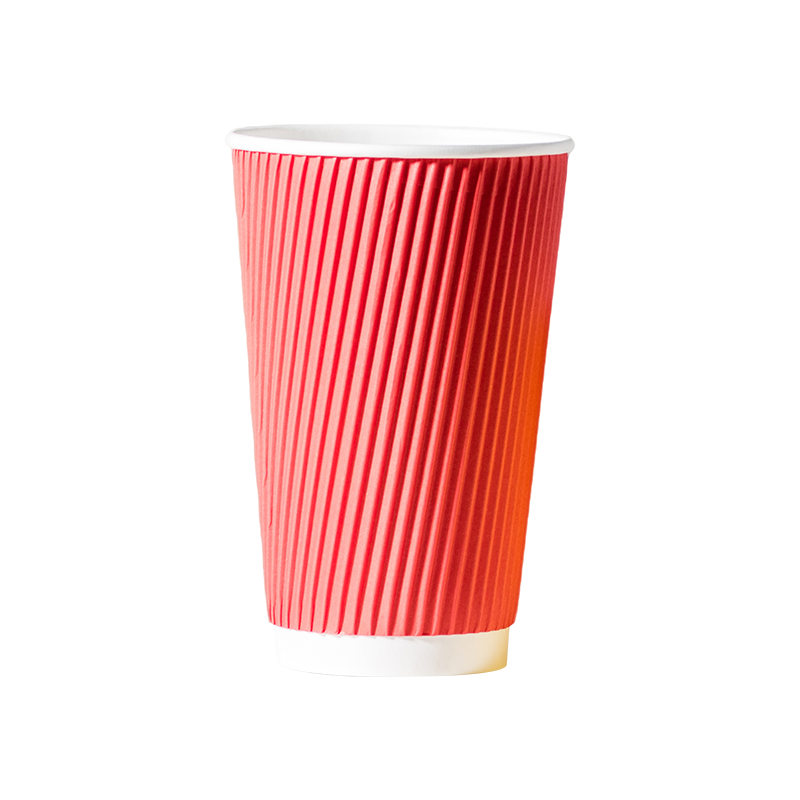
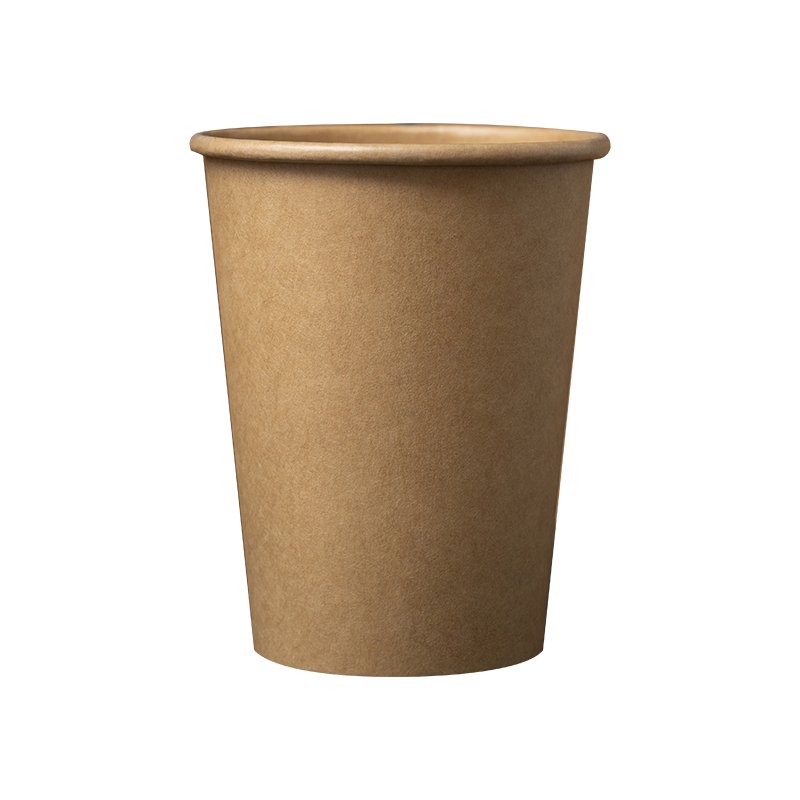
Single-wall paper bowls are the most common and the most cost-efficient option, and they work well for short-hold servings such as snacks, cold desserts, popcorn, or side dishes that are consumed soon after filling. Double-wall and ripple-wall paper bowls add a second layer of paperboard, or a corrugated ripple layer, between the liquid and the hand holding the bowl, which meaningfully improves insulation for hot soups, congee, ramen, and other liquid-heavy dishes. Kraft-toned paper bowls, left in their natural brown finish rather than fully bleached white, have also become popular for brands that want a visibly natural, less processed look on the shelf or in a delivery bag.
Typical Configurations Buyers Ask About
The list below scrolls horizontally and summarizes the configurations that come up most often when a buyer is putting together a specification sheet for a paper bowls manufacturer.
Single-Wall Paper Bowl
Economical construction for cold or short-hold servings such as salads, snacks, and desserts. Double-Wall / Ripple-Wall Paper Bowl
Extra insulation layer suited to hot soups, noodle bowls, and congee that need longer heat retention. Kraft Paper Bowl
Natural brown paperboard finish that suits brands positioning themselves around simple, minimally processed packaging. Compartment Paper Bowl
Internal dividers for combo meals, rice bowls, or meal-prep formats that separate sauces from solids. Lid-Compatible Paper Bowl
Rim engineered to pair with flat, dome, or vented lids for takeout and delivery orders.
Size range is another practical variable. Smaller 8oz to 12oz paper bowls typically serve side dishes, dips, or single-portion snacks, while 16oz to 26oz sizes cover the bulk of noodle and soup demand, and 32oz or larger formats are used for family-style servings or bulk takeout orders. A buyer working with a paper bowls wholesale supplier will usually want at least two or three sizes in a starting order so the packaging can flex across a menu rather than forcing every dish into one container.
Across the category, double-wall and ripple-wall paper bowls provide the extra insulation that hot-food operators need, while single-wall paper bowls remain the more economical option for cold or short-hold servings.
Structure and Manufacturing Principles of Paper Bowls
A finished paper bowl looks simple, but it is really a small piece of material engineering. The paperboard base gives the bowl its rigidity and load-bearing strength, while a thin coating on the food-contact side is what actually keeps liquid from soaking into the fibers. Without that coating layer, plain paperboard would absorb moisture within minutes and the bowl would collapse under a bowl of hot soup. The die-cutting, curling, and heat-sealing steps that turn a flat paperboard blank into a finished bowl shape are what a paper bowls factory spends most of its process engineering on, since rim curl consistency and side-seam sealing directly affect whether a bowl leaks.
The diagram below shows a simplified cross-section of a typical paper bowl wall, moving from the printed outer surface through the paperboard core to the inner food-contact coating.
The chart below breaks down the typical, representative composition of a finished paper bowl by material input. Before reading the numbers, it helps to know that paperboard remains the dominant material by weight in almost every construction, since it forms the structural shell of the bowl. The coating layer is thin but functionally critical, since it is the only part of the bowl in direct contact with food or liquid. Printing ink and adhesives make up the smallest share, used mainly for branding, batch coding, and seam bonding. These proportions shift slightly depending on wall thickness, bowl size, and coating type, but the general pattern holds across most paper bowls manufacturer production lines.
Reading this chart, the paperboard base accounts for roughly seventy percent of a typical paper bowl by material input, which is why fiber source and paperboard density are the two variables that most affect a bowl's rigidity. The coating layer, while only around one-fifth of the material by input, is what determines whether a paper bowls supplier can honestly market a bowl as oil-resistant, hot-liquid-resistant, or compostable, since coating chemistry rather than paperboard is what interacts with food. A PE-coated bowl and a PLA-coated bowl can look nearly identical on the outside while behaving very differently at end of life, which is a point worth confirming directly with a paper bowls factory before committing to a coating type. Ink and adhesives make up the smallest share of the structure, but they still matter for buyers who need consistent branding across print runs or who plan to store bowls for extended periods, since some adhesives are more moisture-sensitive than others. Understanding this composition also helps explain why paper bowls generally break down more readily in composting or recycling streams than fully plastic containers, since the majority of the material is already fiber-based. For a buyer comparing quotes, asking a paper bowls manufacturer to specify both the paperboard grammage and the coating type is a more useful question than asking about material composition in the abstract, because those two specifications are what actually show up in performance testing.
The coating layer is thin, but it is the single most important variable separating one paper bowls supplier's product from another's in terms of grease resistance, heat tolerance, and compostability.
Application Scenarios and Selection Criteria
Choosing the right paper bowl construction starts with the dish it needs to hold, not the other way around. A cold noodle salad and a bowl of hot ramen have almost opposite packaging requirements, and treating them the same way is one of the more common mistakes buyers make when placing a first order with a paper bowls manufacturer. The table below lays out common use cases next to the practical checklist a buyer should work through before finalizing a specification.
Typical Use Cases
|
Selection Checklist
|
Coating chemistry deserves particular attention because it is the variable most likely to cause a mismatch between expectation and real-world performance. The radar chart below compares three common coating and material approaches across five selection criteria that matter most in day-to-day foodservice use. These ratings are general, relative comparisons meant to guide early-stage selection rather than exact laboratory results, and actual performance will still vary by specific formulation and paperboard grade. Reading the chart from the center outward, a larger shape on any axis indicates stronger relative performance on that criterion. The three profiles shown are a standard PE-coated kraft paperboard bowl, a PLA or compostable-coated paperboard bowl, and a molded-fiber or bagasse bowl, since these three categories cover the large majority of what a paper bowls supplier will offer today.
The PE-coated paper bowl shows strong scores on oil resistance, heat resistance, rigidity, and cost efficiency, which explains why it remains the most widely produced format across the paper bowls manufacturer landscape for everyday foodservice use. Its weaker point is compostability, since the polyethylene film, although thin, slows down natural breakdown compared with fully fiber-based alternatives. The compostable-coated bowl trades a small amount of heat resistance and rigidity for a meaningfully higher compostability score, making it a common choice for brands under pressure from local plastic-reduction rules or customer expectations around sustainability. Its cost position tends to sit in the middle of the three profiles, reflecting the more specialized coating process involved. The molded-fiber or bagasse bowl shows the strongest compostability and solid heat resistance, since the fiber itself, rather than a coating, provides most of its liquid tolerance, but it typically shows a lower cost-efficiency score due to a different, often slower forming process. None of these three options is universally superior, and the right choice depends on the specific dish, the expected hold time, and how strongly sustainability positioning factors into the brand. A practical approach many buyers take is requesting small sample batches of two coating types from the same paper bowls supplier and running a short internal trial with the actual menu item before finalizing a bulk specification, since real food behaves differently than a lab test.
No single coating type wins on every criterion, so matching the coating to the specific dish and hold time is usually more important than choosing the "newest" or most heavily marketed option.
Paper Bowls vs Common Alternatives: A Detailed Comparison
Buyers rarely evaluate paper bowls in isolation. Most comparisons happen against plastic bowls, expanded polystyrene foam bowls, and molded-fiber or bagasse bowls, since these four categories cover the bulk of foodservice bowl packaging currently in use. The table below summarizes how they generally compare across the criteria that come up most often in sourcing conversations with a paper bowls manufacturer.
| Material | Oil / Grease Resistance | Heat Tolerance | End-of-Life Profile | Common Use Case |
|---|---|---|---|---|
| Paper Bowl (PE- or PLA-coated) | Good | Good | Moderate to good, depending on coating | General foodservice, delivery, retail |
| Molded Fiber / Bagasse Bowl | Moderate | Good | Strong | Compostable-focused menus, catering |
| Conventional Plastic Bowl (PP) | Good | Moderate | Weak without dedicated recycling | Cold or short-hold servings |
| Expanded Polystyrene Foam Bowl | Moderate | Good | Weak, increasingly restricted | Legacy hot-food packaging |
The end-of-life column is often the deciding factor for buyers today, so the horizontal bar chart below sets out an illustrative relative scoring for how easily each material category breaks down after use. Before looking at the bars, it is worth noting that these are general, orientation-level scores rather than certified test results, since actual biodegradation rates depend heavily on local composting infrastructure and the specific formulation used. Even so, the relative ordering shown is broadly consistent with widely understood material science and with the direction most regulators and brands are moving in. Molded fiber sits at the top because it is close to pure plant fiber with minimal processing. Conventional plastic and foam sit at the bottom because they rely on synthetic polymers that persist far longer in typical waste streams.
Reading across the chart, molded fiber and PLA-coated paper bowls occupy the top two positions, reflecting how little synthetic material stands between the fiber and the surrounding environment once the bowl is discarded. The standard PE-coated paper bowl sits in the middle of the range, which is a fair reflection of its trade-off: it performs well functionally and is more fiber-based than plastic or foam, but the polyethylene film still slows full breakdown compared with fully compostable formats. Conventional plastic and foam sit at the bottom, and this is precisely the gap that has driven so much of the regulatory attention on single-use foodservice packaging over the past several years. For a buyer weighing coating options with a paper bowls supplier, this chart is best used as a starting conversation rather than a final answer, since factors like local waste infrastructure, whether the bowl will realistically reach a composting facility, and cost all factor into the right decision. It is also worth remembering that even the lower-scoring paper bowl formats still generally outperform plastic and foam on this measure, so moving from plastic to any paper bowl format is typically a step in the right direction environmentally, even before considering coating type. Buyers exporting to markets with strict packaging rules should confirm end-of-life claims directly with their paper bowls factory rather than relying on general industry scoring like this, since specific regional requirements can vary.
All paper-based bowl formats generally outperform conventional plastic and foam on end-of-life profile, though the gap between coating types within the paper category is still meaningful enough to matter for sustainability-focused buyers.
Regulatory and Market Trends Driving Demand
Much of the recent growth in paper bowls demand is not accidental, it traces back directly to policy. In January 2020, China's National Development and Reform Commission and Ministry of Ecology and Environment issued a national action plan targeting non-degradable single-use plastics, and that plan set a specific goal: reduce the consumption intensity of non-degradable disposable plastic tableware in the catering and takeout sector across prefecture-level cities and above by thirty percent by 2025, compared with earlier baseline levels, according to the national policy document. Multiple provinces and cities, including Shanghai, moved faster than the national timeline, introducing local restrictions on non-degradable plastic bags, meal boxes, and straws in catering and delivery channels.
This regulatory direction has a direct, practical effect on packaging sourcing decisions. Restaurant groups, delivery platforms, and retail chains operating in regions with these rules generally cannot simply keep using non-degradable plastic bowls without risking compliance issues, so many have shifted specification toward paper, molded fiber, or certified compostable alternatives. For a paper bowls manufacturer, this has meant sustained demand growth even in years when overall foodservice spending was flat, since the shift is being driven by policy rather than only by consumer preference. The scale of the underlying market matters here too: China's express delivery and food delivery volumes have grown enormously over the past decade, meaning even a modest shift in specification per order translates into very large absolute volumes of packaging changing hands.
For an international buyer, this regulatory backdrop is a practical reason to work with a paper bowls manufacturer that already produces at scale for the domestic Chinese catering sector, since that supplier will already be familiar with the coating standards, print requirements, and volume expectations that come with regulatory-driven demand. It also suggests that paper bowl specifications are likely to keep tightening toward compostable and recyclable coatings over time, rather than loosening, which is worth factoring into any long-term packaging plan.
China's national policy set a thirty percent reduction target for non-degradable disposable plastic tableware by 2025, and that single policy has been one of the strongest structural drivers behind rising demand for paper bowls across the domestic catering and delivery sector.
Growth Outlook for Eco-Friendly Foodservice Packaging
Several independent market research firms track the paper bowl and broader compostable foodservice packaging segment, and while their specific dollar-value estimates differ, they converge on a fairly consistent growth rate. Most recent published estimates put compound annual growth for this segment somewhere in a mid-to-high single digit range, generally cited between roughly six and eight percent annually through the early 2030s. Rather than repeat any single, possibly inflated dollar figure, the chart below presents an illustrative growth index built from the midpoint of that commonly cited range, indexed to a starting value of 100. This is meant to show the shape of the trend, not to assert a precise market size.
The index rises fairly steadily rather than spiking, which reflects the underlying nature of this growth: it is driven by gradual regulatory tightening and slow, cumulative shifts in restaurant and retail purchasing behavior, not by a single dramatic event. Starting from a base of 100 in 2021, the illustrative index climbs to roughly 140 by 2026, consistent with compounding at the midpoint of the commonly cited growth range. What this suggests for a buyer is that demand for paper bowls and similar compostable foodservice packaging is not a short-term trend that is likely to reverse quickly, since it is anchored to policy targets with multi-year implementation timelines rather than to a temporary consumer fad. For a paper bowls manufacturer, this steady trajectory has supported continued investment in production capacity, coating technology, and print capability over the past several years, which in turn has generally improved lead times and product consistency for buyers placing orders today compared with several years ago. It is also worth noting that growth is not perfectly even across regions, with markets that have implemented stricter plastic-reduction policies typically showing faster adoption of paper bowls than markets where regulation remains lighter. For international buyers, this generally growing base of production capacity in China also means more established supply chains and more experienced paper bowls exporter relationships to draw on when sourcing at volume, compared with a decade ago when the category was smaller and less mature.
Growth in this segment has been gradual and policy-anchored rather than driven by a short-term trend, which is a reasonable basis for treating paper bowls as a durable, long-term packaging choice rather than a temporary substitution.
Storage, Handling and Quality Maintenance Guidance
Paper bowls perform well once they reach the point of service, but improper storage before that point is one of the more common causes of quality complaints buyers raise with a paper bowls supplier. Because the base material is paperboard, humidity is the single biggest risk factor. Bowls stored in a damp warehouse or shipping container can absorb ambient moisture even before ever touching food, which softens the rim, weakens stacking strength, and can cause bowls to warp or stick together during dispensing.
| Parameter | General Guidance | Why It Matters |
|---|---|---|
| Relative Humidity | Keep storage area cool and dry, away from direct moisture exposure | Excess humidity softens paperboard and weakens rim strength |
| Stacking Height | Follow the carton manufacturer's recommended stack limit | Excessive stacking can crush lower cartons and deform bowl rims |
| Sunlight Exposure | Store away from direct sunlight and heat sources | Prolonged UV and heat exposure can fade print and affect coating integrity |
| Inventory Rotation | Use a first-in, first-out rotation system | Older stock has had more time for gradual moisture uptake |
Original carton packaging plays a bigger protective role than many buyers assume. The cartons a paper bowls factory ships in are usually designed with an internal liner or sleeve arrangement that limits moisture and dust exposure, so keeping bowls in their original packaging until close to the point of use, rather than transferring them into open bins early, is a simple habit that meaningfully extends usable shelf life. For operations handling high volumes, it also helps to keep a visual inspection routine in place, spot-checking a sample from each new pallet for rim consistency, coating appearance, and any signs of moisture damage before the full batch goes into active rotation.
- Store cartons on pallets or shelving, off the direct floor, to reduce moisture wicking from concrete surfaces.
- Leave cartons sealed until needed, opening only the quantity required for near-term service.
- Avoid storing paper bowls near strong-smelling chemicals or cleaning products, since paperboard can absorb odors.
- Record the receiving date on each carton to support first-in, first-out rotation across shifts.
Humidity control and original-carton storage are the two habits that most directly protect paper bowl quality between the time a shipment arrives and the moment the bowls are actually filled.
Logistics, Lead Times and Seasonal Shipping Considerations
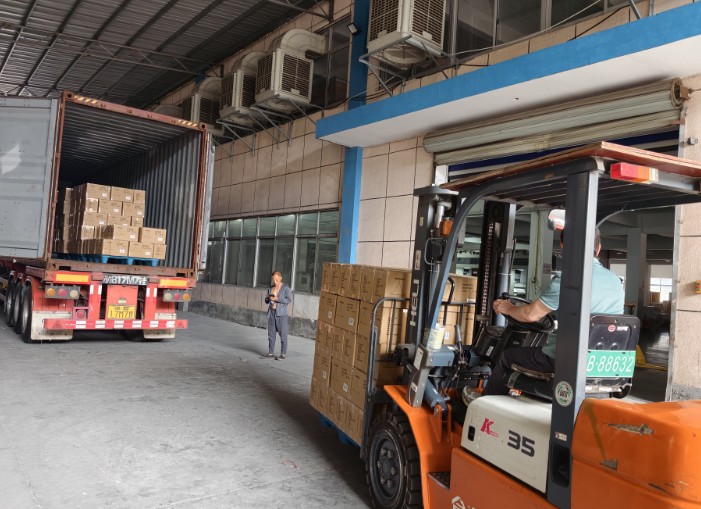
Ordering from a paper bowls manufacturer in China involves the same planning any international buyer applies to bulk ocean freight, but there is one seasonal factor worth flagging specifically because it catches first-time buyers off guard: typhoon season. Ports along China's eastern coast, including Ningbo-Zhoushan, one of the busiest container gateways in the world, generally see their heaviest typhoon activity between June and October each year. A single storm typically closes major terminals for around twenty-four to seventy-two hours as a precaution, with several additional days needed afterward to clear the resulting backlog of vessels and containers. When multiple storms pass through in the same summer, which does happen, cumulative delays across the season can stretch to two or three weeks in the more affected windows.
None of this means shipments cannot go out reliably during those months, it simply means the timeline needs a little more breathing room than during the calmer autumn and winter shipping windows. A good paper bowls supplier will proactively flag this to a buyer when a purchase order is placed close to typhoon season, rather than leaving the customer to discover a delay only after the ship has already missed its window. This is really where the relationship matters more than the paperwork: production scheduling, container booking, and communication around any weather-related adjustment all go more smoothly when both sides are treating the order as a shared project rather than a one-off transaction. For buyers planning larger seasonal promotions, building in a modest buffer of an extra one to two weeks for orders placed between May and September is a simple, low-cost way to avoid last-minute stress.
Outside of weather, the other practical factors that affect paper bowls lead time are fairly standard: whether the order uses stock tooling or requires new custom printing plates, current production queue length at the factory, and container availability at the time of booking. Asking a paper bowls manufacturer for a realistic lead time range up front, rather than the fastest possible best case, tends to produce far fewer surprises down the line, and it is generally a good early signal of how transparently that supplier communicates once the relationship is underway.
Building a small buffer into orders placed between June and October, when typhoon activity is most likely to affect eastern Chinese ports, is a practical way to keep a paper bowls supply chain running smoothly through the busier shipping months.
Choosing a Reliable Paper Bowls Manufacturer for a Long-Term Partnership
For a B2B buyer, sourcing paper bowls is rarely about placing a single order and moving on. It is closer to choosing a production partner who will be expected to hold consistent quality, communicate honestly about lead times, and adapt as menu items, branding, or sustainability requirements evolve over the following years. That framing changes what actually matters when evaluating a paper bowls factory. Price and minimum order quantity matter, but so does whether the team on the other end responds clearly to technical questions, whether sample bowls match what was discussed, and whether the factory has genuine OEM and ODM capability rather than only offering a fixed catalog of stock designs.
OEM paper bowls programs, where a buyer supplies its own branding, print artwork, or packaging specification onto an existing bowl construction, are the most common starting point for private-label buyers, since they let a brand launch custom-printed paper bowls without redesigning the underlying bowl structure. ODM paper bowls programs go a step further, with the manufacturer contributing design input on wall construction, coating selection, or sizing based on the buyer's stated use case, which suits brands that know the outcome they want but do not have in-house packaging engineering to specify every detail themselves. A capable paper bowls manufacturer should be comfortable supporting either path, and should be able to explain clearly which one fits a given project.
This is also where a company's own background becomes relevant to a buyer evaluating fit. Ningbo Kosda New Material Technology Co., Ltd. is a China paper bowls manufacturer and sustainable food packaging supplier established in 2015, based in the Ningbo Binhai Economic Development Zone, close to one of the world's largest deep-water ports by throughput. The company operates as a large, modern production facility that integrates design, research and development, production, and sales of paper products under one roof, which shortens the communication chain between a buyer's specification and the factory floor actually producing it. The company's approach centers on quality-first development and environmentally conscious production, applying industrialized manufacturing methods to paper-based packaging rather than treating sustainability as an afterthought. For a B2B buyer, working with a paper bowls supplier of this type is less about a single transaction and more about building a working relationship where both sides benefit as order volume and menu complexity grow over time, which is ultimately the kind of cooperative, long-term partnership most food brands are actually looking for when they start comparing paper bowls manufacturer options.
A few practical questions tend to separate a strong long-term partner from a purely transactional paper bowls wholesale supplier, and it is worth raising all of them before committing to a first production run.
- Can the factory support both OEM printing and ODM structural input, or only one of the two?
- How does the team communicate realistic lead times, including during typhoon season or other seasonal disruptions?
- Is sample production available before committing to a full bulk order, and how closely do samples match production output?
- Does the factory have experience exporting to the buyer's specific region, with its particular packaging or labeling expectations?
Choosing a paper bowls manufacturer is ultimately a partnership decision, not just a purchasing decision, and a supplier that communicates clearly, supports OEM and ODM flexibility, and plans realistically around seasonal logistics is generally worth more than one offering only the lowest per-unit figure.
Frequently Asked Questions
Q1: What materials are paper bowls typically made from?Most paper bowls use a paperboard base combined with a food-contact coating, commonly polyethylene, a compostable PLA-based film, or in the case of molded-fiber bowls, dense compressed plant fiber that provides most of its own liquid resistance without a separate coating. |
Q2: Are paper bowls suitable for hot soups and liquids?Double-wall or ripple-wall paper bowls are generally designed for hot liquids and provide better insulation and hold time than single-wall constructions, which are better suited to cold or short-hold servings. Confirming expected hold time with the manufacturer helps match the right wall construction to the dish. |
Q3: How do I evaluate a paper bowls manufacturer for a bulk or OEM order?Look for clear technical communication, willingness to provide samples before a bulk commitment, genuine OEM and ODM support rather than a fixed catalog only, and realistic lead time guidance that accounts for seasonal shipping factors around Chinese ports. |
Q4: Does weather affect shipping timelines when sourcing paper bowls from China?Yes, typhoon season along China's eastern coast, roughly June through October, can temporarily close major ports for a day or more at a time and add extra days to clear the resulting backlog. Building a modest buffer into orders placed during those months is a practical way to plan around it. |
Your email address will not be published. Required fields are marked *
-
Modern Green And Environmentally Friendly Paper Product Manufacturer
-
Quick Links
Home About Us Products News Contact Us -
Product Categories
Paper Plates Paper Cup Paper Napkin Paper Food Container Disposable Paper Tablecloth Wrapping Paper Roll Paper Cutlery -
Contact Us
 Tel: +86-13967818265
0086-13646629749 E-mail: [email protected]
E-mail: [email protected]
E-mail: [email protected]
E-mail: [email protected]
 Whatsapp: 008613646629749
 Add: 1036 Cidong Avenue, Binhai Economic Development Zone, Ningbo City, Zhejiang Province, China
