
-
About Us
Why Choose Us?
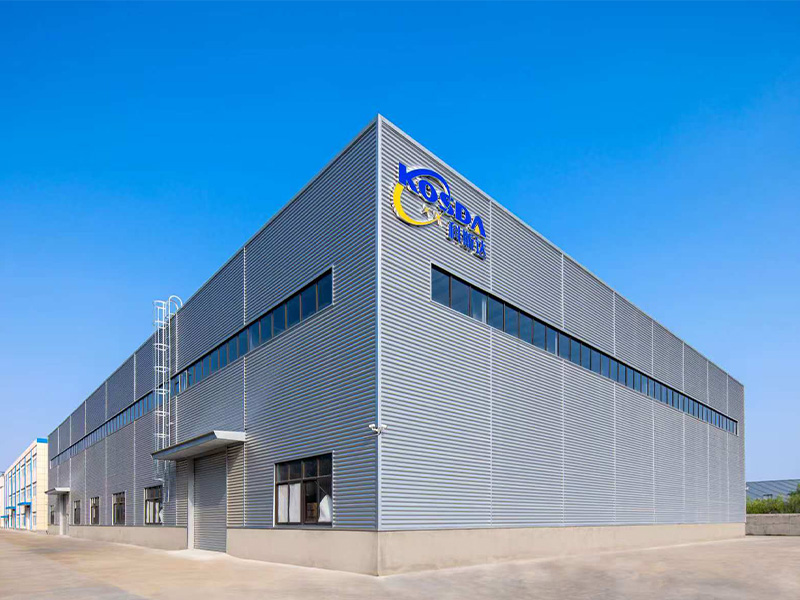
Ningbo Kosda New Material Technology Co., Ltd. was established in 2015 and is located in the Ningbo Binhai Economic Development Zone, China, which is the world's largest deep-water port in terms of throughput and a civilized city in China. It is a large modern production enterprise that integrates the design, research and development, production, and sales of paper products. The company adheres to the principle of quality development, advocates green and environmentally friendly products, and promotes the industrialization of high-tech. Starting from meeting customer needs, we provide high-quality and efficient services.
 Modern Green And Environmentally Friendly Paper Product Manufacturer
 -
Products
-
News

 English
 French
 Español
 German

Industry News
Biodegradable Food Packaging: The B2B Buyer's Guide to Eco-Friendly Supplies
A restaurant chain in Germany is trying to replace plastic takeout packaging. A wedding planning company in Canada wants lace-edge plates that actually compost. An importer in Chile needs a full party collection with custom artwork. These are the kinds of questions we hear every week at our paper packaging factory in Ningbo, China. For procurement teams around the world, the common thread is the same: distinguishing genuine biodegradable food packaging from vague environmental marketing while keeping costs under control and meeting local regulations.
This guide is written from the perspective of a paper packaging manufacturer, export supplier, and wholesale partner. It explains what biodegradable food packaging really means, which materials perform well under real food-service conditions, how to pick the right products for your menu or catalog, and what to check before signing a supply agreement. We will also cover practical details that are often overlooked, including storage, certifications, and the long-term value of a manufacturing partner who treats your business as a shared project.
Whether you run a quick-service restaurant, a catering operation, an import distribution company, or a retail brand, the decisions you make about packaging affect your food safety record, your brand image, and your annual budget. Modern paper-based packaging technology has reached a point where sustainability no longer means sacrificing performance. With the right specifications, custom-printed paper cups, plates, bowls, napkins, and containers can look beautiful, survive delivery, and still break down at the end of their useful life. This article will help you find exactly those products.
Content
- 1 What Is Biodegradable Food Packaging?
- 2 Main Materials Used in Biodegradable Food Packaging
- 3 Common Types of Biodegradable Food Packaging Products
- 4 How to Choose the Right Biodegradable Food Packaging
- 5 Benefits of Switching to Biodegradable Food Packaging
- 6 Quality, Compliance, and What to Verify with a Supplier
- 7 Why Partner with a Ningbo Paper Packaging Manufacturer
- 8 Frequently Asked Questions about Biodegradable Food Packaging
- 8.1 Is biodegradable food packaging the same as compostable packaging?
- 8.2 Can biodegradable paper packaging handle hot or oily food?
- 8.3 How long does biodegradable food packaging take to break down?
- 8.4 Can we add our own branding to biodegradable food packaging?
- 8.5 What certifications should a biodegradable food packaging manufacturer have?
- 8.6 Can we get samples before placing a bulk order?
- 8.7 How do you support long-term business partnerships?
- 9 Explore Our Sustainable Product Lines
What Is Biodegradable Food Packaging?
Biodegradable food packaging is packaging made from materials that microorganisms can break down into water, carbon dioxide, and biomass under natural conditions. This includes paper plates, paper cups, paper bowls, food containers, napkins, and other food-contact products that return to nature instead of lingering in landfills for centuries. The key difference from conventional plastic packaging is the end-of-life behavior: biodegradable materials are designed to be consumed by nature, not to accumulate in the environment.
Three terms are often used as if they mean the same thing, and every buyer should understand the distinction:
- Biodegradable simply means that living organisms can decompose the material. The timeframe may be weeks, months, or years depending on the material and the environment.
- Compostable is a certified performance claim. A compostable product must break down within a defined period, usually 90 to 180 days, under controlled composting conditions, leave no toxic residue, and meet standards such as EN 13432, ASTM D6400, or OK Compost.
- Recyclable means the material can be recovered and made into new products. Coated paper packaging that is free of plastic lamination and compatible with existing paper recycling streams is a legitimate and practical alternative to composting.
These distinctions have a direct impact on your business. A kraft paper plate may compost within a few weeks in a commercial facility, while a PLA-lined cup needs the higher heat of industrial composting and will not disappear in a backyard bin. A paper cup coated with conventional polyethylene will neither compost efficiently nor be accepted by most paper recyclers. The same word, biodegradable, can describe all of these products, but their real-world environmental performance is completely different.
From a procurement perspective, the best approach is to define your local waste infrastructure first. If your city or country operates industrial composting facilities, certified compostable paper products are an excellent fit. If paper recycling is more developed, choose recyclable coated paper packaging. If both routes are available, you can offer packaging that works in either stream. A knowledgeable supplier should be able to explain these options honestly and help you match the product to the infrastructure, rather than pushing a single material.
There is also a commercial reason to pay attention to these definitions. Consumers are increasingly reading packaging labels and asking questions. When your staff can confidently tell customers that the packaging is certified compostable and explain how to dispose of it, packaging stops being a cost and becomes part of your brand story. For restaurants, cafes, and event companies, that is a meaningful form of marketing that costs nothing extra once the right product is on the shelf.
Main Materials Used in Biodegradable Food Packaging
Every biodegradable food packaging product starts with a material decision. The substrate determines the product's strength, appearance, moisture resistance, printing quality, and decomposition speed. In our factory, we work with five families of materials, each with a clear role in the market. For a more detailed walkthrough of sustainability criteria and purchasing considerations, read our buyer's guide on what sustainable food packaging means for purchasing teams.
The table below compares the most common biodegradable materials used in food packaging today.
| Material | Source | Typical Composting Period | Common Uses | Key Considerations |
|---|---|---|---|---|
| Kraft paper | Wood pulp and recycled fiber | 2-6 weeks | Plates, bowls, takeout boxes, trays | Natural look; needs a barrier coating for oily or wet food |
| Sugarcane bagasse | By-product of sugar refining | 3-6 weeks | Clamshells, trays, lunch boxes | Stiff and strong; microwaveable for short periods |
| Bamboo fiber | Fast-growing bamboo | 4-8 weeks | Plates, bowls, serving boards | Renewable; premium appearance; slightly higher cost |
| Water-based coated paper | Wood pulp plus water-based coating | 4-8 weeks | Party plates, cups, tablecloths, napkins | High print quality; resistant to moisture and grease |
| PLA-lined paper | Corn or cassava starch | 3-6 months under industrial composting | Cold cups, salad boxes, cold-drink containers | Good moisture barrier; not suitable for home composting |
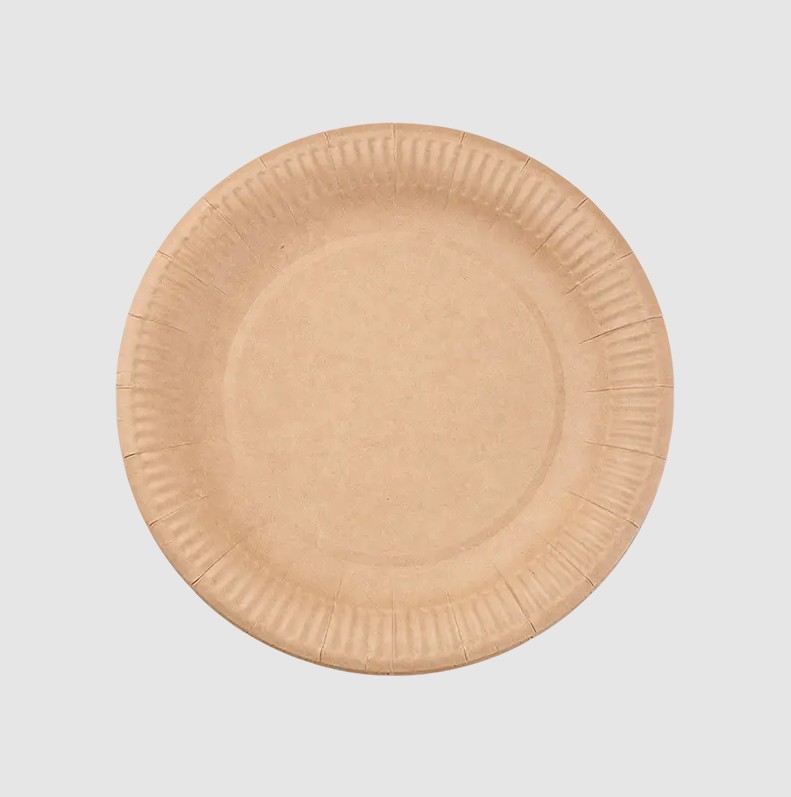
Kraft paper remains the workhorse of the industry. Its brown, natural texture appeals to coffee shops, organic grocers, and outdoor event brands, and its fiber structure gives plates and bowls dependable rigidity. Because uncoated kraft paper absorbs moisture and grease, most food-contact products receive a thin water-based barrier coating. This coating keeps structural performance high without stopping the paper from degrading. In our production lines, coated kraft products are tested for both grease resistance and compostability so that the environmental claim survives contact with real food.
Sugarcane bagasse is an equally practical choice. It begins its life as agricultural waste, which gives buyers a strong circular-economy story. Molded bagasse trays hold heavy meals well and tolerate brief microwave heating better than most paperboard alternatives. Bamboo fiber offers a similar benefit with a more refined surface, making it suitable for premium catering and branded retail lines. The cost per unit is higher than kraft paper, but for clients who sell premium meals or event experiences, the visual difference is worth the premium.
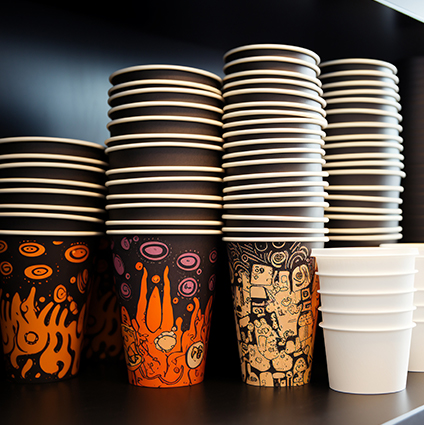
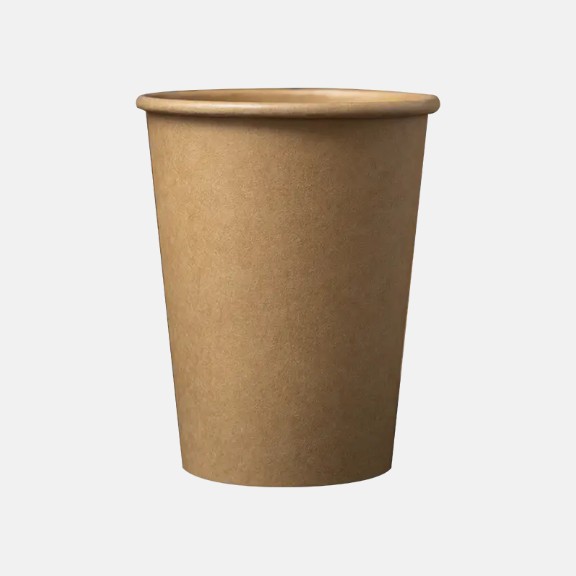
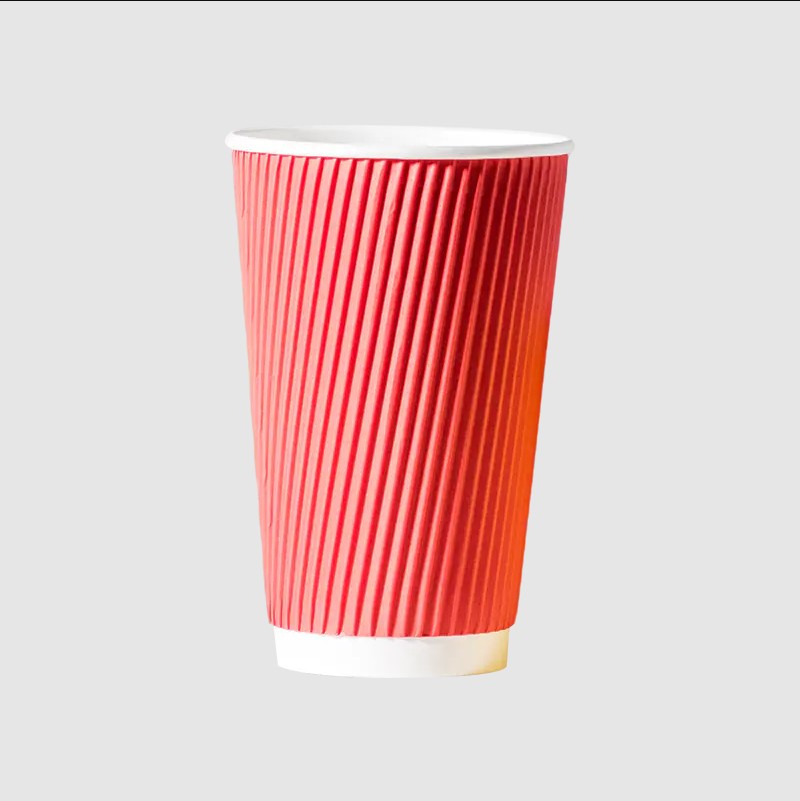
For cups, water-based coated paper has become the standard in our factory. The coating keeps hot drinks from softening the paper while remaining compatible with both paper recycling and industrial composting. PLA-lined paper, made from corn or cassava starch, is a good alternative for cold beverages and extended hold times, but the PLA layer slows decomposition considerably and requires industrial conditions. To help buyers compare the two approaches for drink cups, it is useful to look at them side by side.
Water-Based Coated Paper
|
PLA-Lined Paper
|
The two-column comparison above reflects the conversations we have with clients every month. A quick-service coffee chain that wants a compostable cup usually prefers water-based coated paper because it degrades faster and costs less. A food-service operator that needs a cup to hold iced drinks for an entire event may accept the slower degradation of PLA in exchange for a stronger moisture barrier. Neither choice is wrong; the best choice depends on the business model and the waste-processing reality in the buyer's region.
Common Types of Biodegradable Food Packaging Products
At the product level, seven categories account for nearly all B2B demand in biodegradable food packaging: plates, cups, bowls, napkins, takeout containers, tablecloths, and wrapping paper. Each category has its own specifications, performance requirements, and opportunities for custom printing.
Paper Plates
Round, square, and oval
plates from 6 to 10.5 inches.
Kraft, white coated,
and lace-edge finishes
for parties, catering,
and outdoor events.
Paper Cups
Single-wall and double-wall
cups for hot and cold
drinks, including custom
printed designs for coffee
chains, events, and festive
seasons.
Paper Bowls
Portion bowls, dessert bowls,
and soup bowls with
waterproof coating and
reliable stacking strength
for takeaways and
self-service counters.
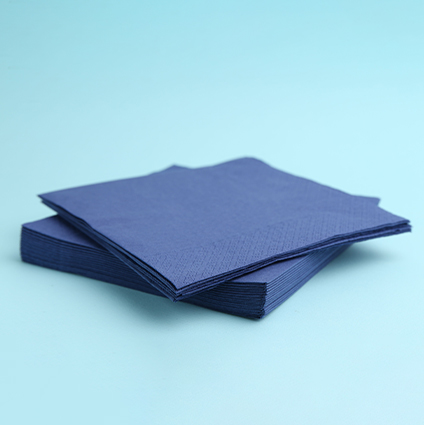
Paper Napkins
Beverage napkins,
dinner napkins,
and shaped cocktail napkins,
often custom-branded for
restaurants and catering
companies.
Food Containers
Takeout boxes and salad
containers in white coated
or kraft board, designed
for quick-service restaurants
and delivery kitchens.
Tablecloths
Disposable coated tablecloths
for banquets, buffets,
and outdoor events,
available with printed or
plain finishes.
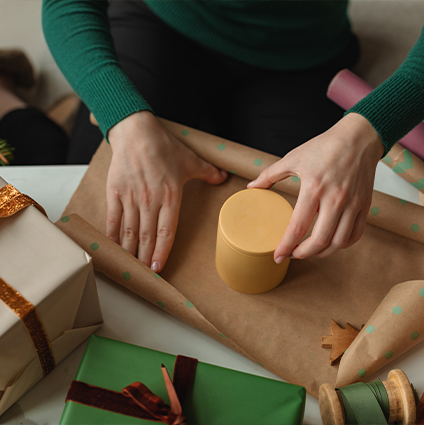
Wrapping Paper
Gift wrap rolls and food-grade
wrapping sheets for bakeries,
delis, and retail display.
The range may look broad, but the selection logic is consistent. Match the format to the food and the serving environment, then confirm that the material is certified for food contact and that the coating does not interfere with compostability or recyclability.
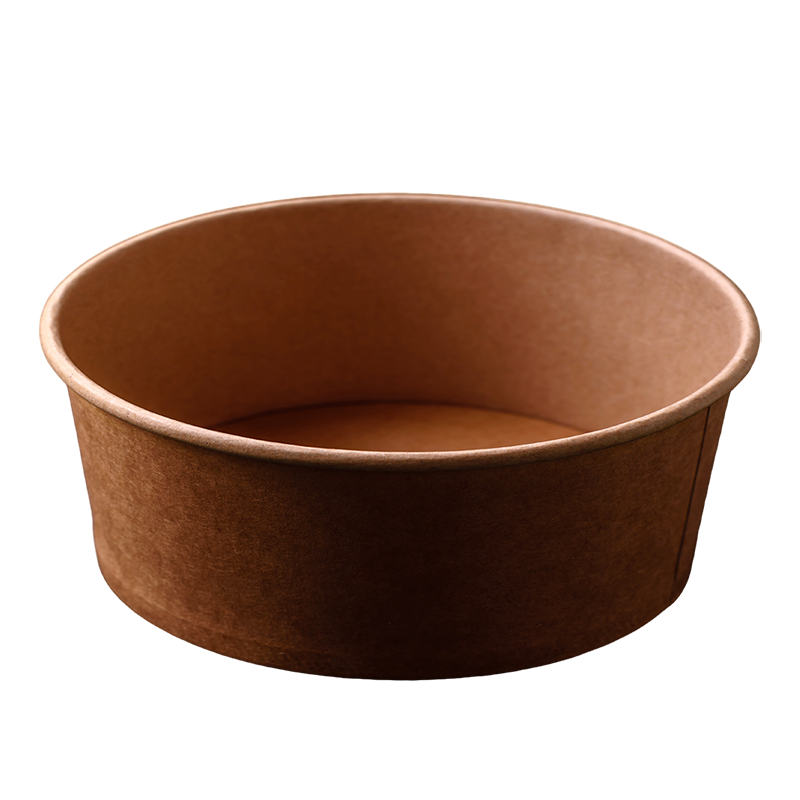 Compostable Kraft Dessert Bowl for Eco-Friendly PortionsThis unbleached kraft bowl suits smaller desserts and light meals, with a coated interior that resists soaking. Its compostable build and natural look support sustainable catering and portion control.View Product →
Desserts and light meals, for example, work beautifully with kraft paper bowls. For our bakery and coffee-shop clients, a compostable kraft dessert bowl with a smooth interior coating prevents sticky pastries and ice cream from soaking through while keeping the signature natural brown look that customers associate with eco-friendly brands. Because the bowl is shaped for smaller portions, it also helps operators control portion sizes and reduce food waste, which is another sustainability win that buyers can communicate on their menus.
Across all seven categories, custom printing is now the norm rather than the exception. A coordinated set of printed paper plates, cups, and napkins elevates a catering event, a seasonal menu, or a retail product launch in a way that plain stock packaging simply cannot. The manufacturing challenge is to deliver that visual impact without compromising the product's biodegradable properties. That requires the right inks, the right coating sequence, and careful quality control during production.
How to Choose the Right Biodegradable Food Packaging
Choosing biodegradable food packaging for a business is different from buying for a picnic. You have to consider food safety, shelf appeal, packaging line compatibility, storage space, and unit cost at the same time. In our experience with importers, restaurant groups, and wholesalers, five criteria do most of the work: food type, serving temperature, grease and moisture, branding requirements, and disposal route.
Match Packaging to Food Type and Temperature
Start with the food itself. A hot noodle soup needs a bowl with a sturdy rim and a dependable moisture barrier. A sandwich placed on a kraft plate needs oil resistance so that grease does not soak through to the table. A dessert display requires only light structural support. The more precisely you define the serving condition, the easier it is to avoid over-engineering the packaging and paying for performance you do not need.
Temperature tolerance is the second decision point. Some paper products can be microwaved for a minute or two; others cannot. If your menu includes reheating instructions, the packaging must tolerate those conditions without delaminating, leaking, or releasing substances into the food. Ask the manufacturer for the exact temperature and time limits based on physical tests, not marketing language.
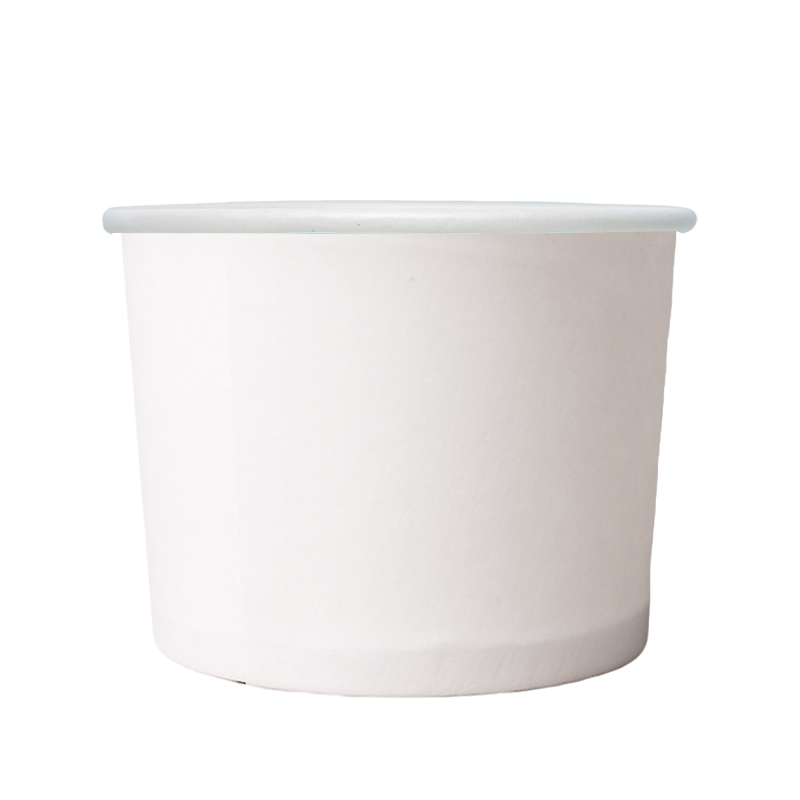 White Coated Takeout Container with Microwave and Grease ResistanceThe white coated paper container holds burgers, fried foods, and salads without leaking. It stacks well for delivery, supports custom printing, and allows safe microwave reheating for takeout menus.View Product →
For takeout and delivery operations, the white coated paper container is one of the most requested items in our catalog. It combines a clean, neutral presentation with dependable grease resistance, which makes it suitable for burgers, fried food, rice dishes, and salads. A properly designed takeout container should survive a delivery ride of 15 to 30 minutes, stack well in a delivery bag, and open cleanly without bending when the customer lifts the lid. If your order volume supports custom printing, the lid becomes a mobile billboard for every meal that leaves your kitchen.
Branding, Printing, and Visual Appeal
Branding often decides which product wins the internal review. Biodegradable food packaging no longer has to look rustic or unfinished. Modern printing reproduces logos, illustrations, and seasonal patterns in full color on coated paper without weakening the material. When commissioning custom products, request a printed sample and a digital proof before mass production. Confirm which inks and coatings will be used, because the visual finish may behave differently under grease, condensation, or heat.
The table below maps common application scenarios to the packaging categories we typically recommend for each use.
| Application Scenario | Recommended Product Category | Selection Notes |
|---|---|---|
| Hot takeout meals | Coated paper containers, kraft bowls | Choose a moisture barrier and a secure lid; verify microwave behavior |
| Coffee and cold drinks | Paper cups with water-based or PLA lining | Double-wall construction improves insulation for hot drinks |
| Bakeries and desserts | Kraft dessert bowls, small paper plates | Interior coating prevents sticking and moisture damage |
| Parties and catering | Party plates, napkins, tablecloths | Coordinate printed designs across the full set |
| Weddings and banquets | Lace-edge plates, white tablecloths, premium napkins | Focus on elegant patterns and consistent whites across products |
| Outdoor events and food trucks | Sturdy plates, trays, portion bowls | Prioritize stackability, stability in wind, and one-hand handling |
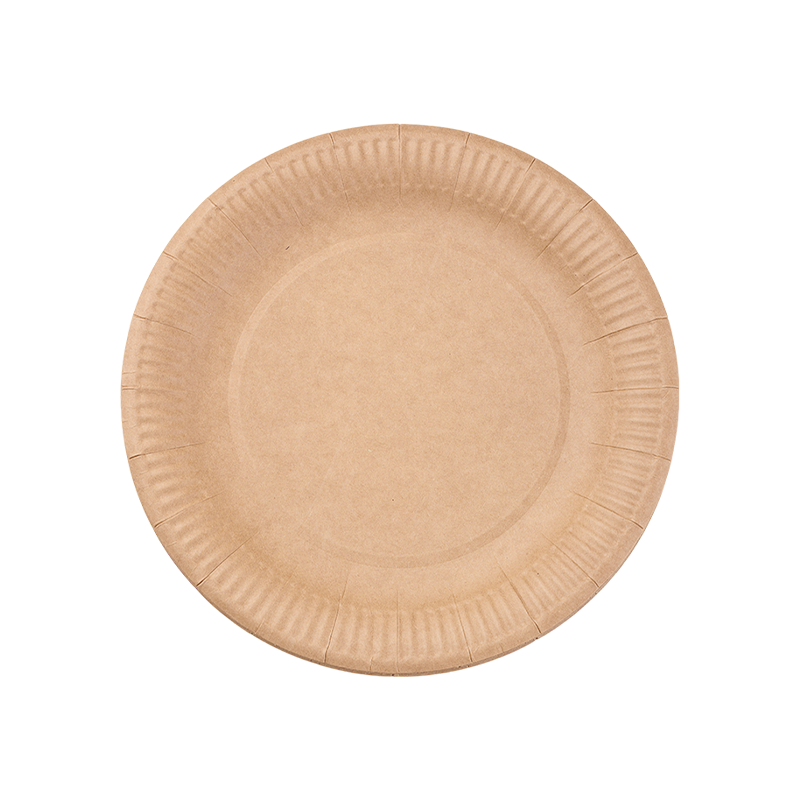 10.5-Inch Kraft Food Tray Plate with Deep RimThis large kraft tray plate works well for buffets, festivals, and food trucks. Its deep rim helps reduce spills, and the compostable construction matches eco-conscious event expectations.View Product →
Outdoor catering deserves a special note. A 10.5-inch kraft food tray plate is a common choice for buffets, festivals, and food trucks because its wide surface suits main courses, while the deep rim reduces spills during standing service. The natural kraft look blends well with outdoor environments, and the compostable construction matches the expectations of eco-conscious event organizers. When selecting plates for this segment, pay attention to the rim depth and the stiffness of the board; thin plates that flex under a loaded fork are one of the fastest ways to disappoint a customer.
Storage and Handling
Storage conditions deserve more attention than most buyers expect. Paper-based products are naturally sensitive to humidity. When stored in a damp warehouse or an unventilated container, coated paper can lose stiffness, and printed surfaces may absorb moisture and change color. We recommend storing biodegradable food packaging in a clean, dry area on pallets, away from direct sunlight and chemical fumes. Adopt a first-in, first-out rotation so that older cartons never become brittle or develop odors from warehouse air. In humid climates, ask your supplier about moisture-barrier wrapping for individual cartons.
Finally, revisit the disposal route before you commit to a large order. Packaging that cannot enter a local composting or recycling program will end up in a landfill no matter how carefully it is designed. A responsible manufacturer will discuss these trade-offs openly. The goal is not to sell you the most expensive material but to find the product that delivers genuine environmental value in your specific market.
Benefits of Switching to Biodegradable Food Packaging
The move to biodegradable food packaging is not only an environmental commitment. For restaurants, distributors, and event businesses, it brings measurable commercial benefits that compound over time.
Customers today pay attention to packaging. Industry surveys regularly find that a majority of diners consider sustainable packaging important when choosing where to eat. Packaging is visible, it is touched by every customer, and it leaves an impression that lasts long after the meal is finished.
Regulatory pressure is another driver. Single-use plastics have been restricted across the European Union, the United Kingdom, Canada, and a growing number of states and cities around the world. Businesses that switch early avoid the disruption that comes when new bans take effect.
Operational benefits matter as well. Biodegradable paper packaging that is compatible with industrial composting simplifies waste handling for caterers and venues that already separate organic waste.
Finally, the cost gap has narrowed dramatically. Production capacity for eco-friendly paper tableware has expanded, and large-scale manufacturing keeps prices competitive with conventional paper products.
The chart below shows typical biodegradation timeframes for the main materials we use in our factory. These figures reflect warm, moist industrial composting conditions and should be read as planning guides rather than precise schedules.
Typical Biodegradation Timeframes in Industrial Composting
Illustrative ranges based on common industrial composting conditions. Actual time depends on facility temperatures, moisture, and material thickness.
The chart immediately shows why material selection matters so much in biodegradable food packaging. Kraft paper, which forms the basis of most of our plates, trays, and bowls, breaks down in about four weeks. That means a kraft paper plate can complete a full compost cycle within a standard facility's processing window, turning from a sturdy serving product into usable fertilizer in under a month.
Sugarcane bagasse and bamboo fiber are only slightly slower. Their plant fiber structure is well recognized by composting microbes, and both materials are popular among buyers who want a rigid product with a natural story. The difference of one or two weeks rarely matters in practice, since most industrial compost recipes run for several weeks before the material is screened and moved to curing.
Water-based coated paper sits in the middle of the chart. The thin barrier coating adds water and grease resistance, and in most facilities the coated product still finishes composting within about eight weeks. We have tested our coated party plate series with third-party laboratories, and the coating does not prevent paper fibers from fragmenting and degrading to the standard required for certified compostable claims.
PLA-lined paper is the slowest group, requiring three to six months under industrial conditions. PLA is still a renewable, plant-based option, and it is useful for applications that demand a strong moisture barrier, such as cold cups in a banquet setting. But if your waste stream relies on home composting or a fast municipal program, PLA may not be the best fit for the way your customers dispose of packaging.
For a B2B buyer, the pattern is clear. Paper-based materials offer the fastest and most predictable degradation among common packaging options. This is one reason why restaurants, cafeterias, and event venues continue to migrate from plastic-lined products to coated paper alternatives that behave better at the end of life.
Faster degradation also lowers the risk that packaging fragments will be mistaken for plastic when compost is ready for agricultural use. Municipal composters prefer inputs that break down quickly and completely, and suppliers whose products demonstrate this behavior become easier partners for large waste contracts.
Beyond the environmental timeline, switching to biodegradable food packaging supports brand differentiation, staff pride, and customer loyalty. Many of our OEM clients report that their sustainable packaging becomes a talking point in social media posts, local press coverage, and client presentations.
There is also a financial angle that is rarely discussed. Early adopters lock in supply relationships with manufacturers who have learned to manage costs across raw materials, coating formulas, and logistics. When plastic regulations tighten in other markets, these buyers already have a compliant product line instead of scrambling to find one.
All of these factors combine to make biodegradable food packaging a rational investment for food businesses, not a simple gesture of goodwill. The companies that treat it as part of their core operating model tend to outperform those that see it only as a compliance obligation.
Quality, Compliance, and What to Verify with a Supplier
Biodegradable food packaging sits at the intersection of food safety, environmental claims, and mass production. A convincing product page is not enough. Before committing to a manufacturer, verify the following points and ask for documentary evidence.
Food-Contact Compliance
Food packaging must not transfer harmful substances to food. In the United States, materials used in food packaging should comply with FDA regulations for food-contact substances. In Europe, the framework regulation EC 1935/2004 applies, together with national rules. A serious manufacturer will provide declarations of compliance and test reports from accredited laboratories showing that heavy metals, plasticizers, and other restricted substances stay within legal limits.
Compostability Certification
If you market your packaging as compostable, look for recognized certifications such as EN 13432 in Europe, ASTM D6400 in North America, or the OK Compost label. These certifications are awarded by independent bodies after testing the finished product, not just the raw paper. Ask whether the certificate covers the specific product and SKU you plan to order, because coatings, inks, and adhesives can each affect the result.
Physical Performance
A compostable plate that bends under a slice of pizza is useless, no matter how strong its environmental credentials. Evaluate stiffness, leak resistance, stacking strength, and microwave behavior where relevant. Reputable suppliers offer pre-production samples so you can test with your own menu items before signing a large order.
Production Systems and Practical Checks
It is also reasonable to ask about the factory's inspection procedures, the frequency of in-process quality checks, and what happens to defective goods. Consistent output is built through discipline on the production floor, and a manufacturer with structured quality systems earns trust through shipment after shipment.
Here is a practical checklist used by many of our importing and wholesale clients when evaluating a new factory:
- Request the material datasheet and confirm basis weight, coating type, and the applicable food-contact standard.
- Ask for a copy of the compostability or recyclability certificate and verify the product name and issue date.
- Order samples for every SKU you plan to stock, then test them with real food, real cutlery, and your own packing process.
- Agree on an acceptable quality level for carton inspection before shipment.
- Confirm whether certificates, artwork proofs, and compliance documents are included in the service.
- Clarify lead times, payment terms, and the procedure for handling damaged or defective goods in transit.
In our experience, clients who run a clear verification process avoid most of the common pitfalls in importing biodegradable food packaging. They also build a stronger relationship with the factory because both sides understand the standards on day one.
Why Partner with a Ningbo Paper Packaging Manufacturer
For B2B buyers, the origin of the packaging matters as much as the packaging itself. The factory's location affects raw material availability, production economics, shipping routes, and communication efficiency. Ningbo, where our factory is based, combines these advantages well. The city sits on the coast of Zhejiang province in eastern China, close to major paper mills and coating material suppliers. The port of Ningbo is one of the busiest container ports in the world, with regular sailings to North America, Europe, and Asia.
Since 2015, our company has focused on one thing: producing high-quality, biodegradable paper tableware that helps international clients build their brands. We operate as an integrated factory, which means design, research and development, production, and sales happen under one management team. When a client needs a new shape, a custom color, or a specific print layout, the decision path is short. Our engineers work directly with production staff, and our export sales team provides a single point of contact from sampling to final delivery.
This integrated model is especially valuable for custom projects. A bakery chain may want a dessert bowl with a printed logo on the interior. A wedding planner may need lace-edge plates matched with white napkins for a summer collection. A distributor may require a complete set of party tableware with coordinated artwork. These are not unusual requests for us. We handle OEM and ODM orders every week, from simple custom colors to fully coordinated packaging lines.
The partnership philosophy at our factory can be summarized in two words: win-win cooperation. We believe that a packaging supplier is not successful until the importer or brand owner is successful. That mindset shapes how we price, how we communicate, and how we solve problems. When a shipment needs adjustment, when a design requires fine-tuning, or when a delivery schedule changes, we treat the challenge as a shared problem rather than a contractual dispute.
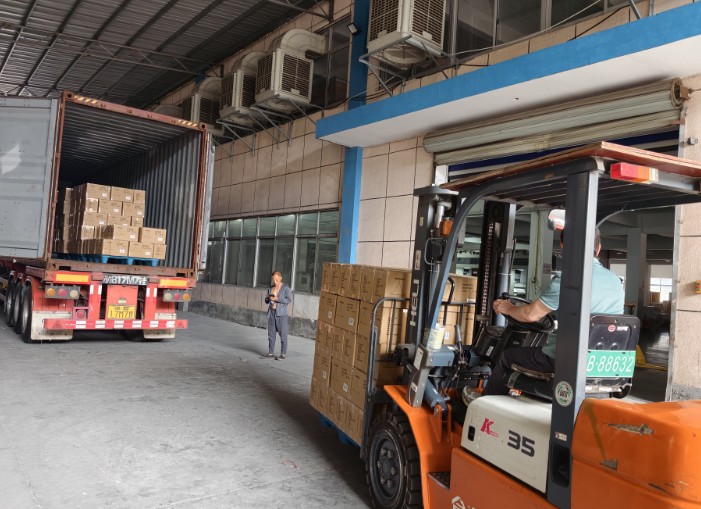
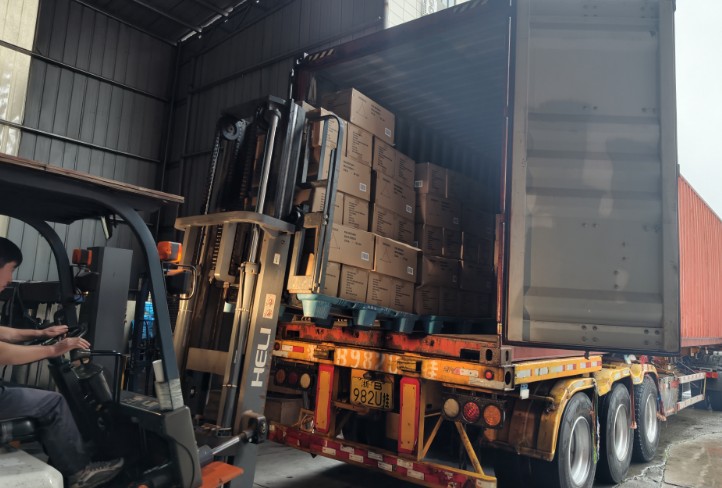
Our recent export shipments illustrate this approach. In May 2026, we completed a full-container shipment of recyclable paper plates, cups, and party tableware for an overseas client, with custom-printed artwork on every item. The order moved from material confirmation to packed containers according to a clear production schedule, and the client received final inspection reports before the cargo left the port. This kind of coordination is routine for us, and it is the foundation of long-term supply relationships.
If you are evaluating manufacturers for your next biodegradable food packaging program, we invite you to start a conversation. Share your product list, menu types, or catalog goals, and our team will recommend the most cost-effective solutions. You can contact our export sales team for a quote, samples, or a capability review. A direct dialogue is the fastest way to discover whether a partnership really fits.
Frequently Asked Questions about Biodegradable Food Packaging
Is biodegradable food packaging the same as compostable packaging?Not exactly. All compostable packaging is biodegradable, but not all biodegradable packaging meets compostability standards. Compostable products must break down within a defined period, leave no toxic residue, and support plant life under certified testing conditions. Biodegradable is a broader term without a fixed timeframe. If you need strong environmental claims in your market, look for compostability or recyclability certifications rather than relying only on the word biodegradable. |
Can biodegradable paper packaging handle hot or oily food?Yes, with the right coating and construction. Kraft and white coated paper products in our range are treated with water-based barrier coatings that resist moisture and grease. A coated paper bowl can hold hot soup, and a printed party plate can handle fried snacks for several hours without leaking or softening. As long as the coating is certified compostable and the paper remains compatible with recycling, the product keeps its environmental benefits while performing like conventional food-service packaging. |
How long does biodegradable food packaging take to break down?It depends on the material and the environment. Kraft paper can compost in about two to six weeks in an industrial facility, while PLA-lined products may take three to six months. Home composting is slower and more variable because temperatures are lower. We always advise buyers to check the disposal instructions on the package and to confirm what their local composting or recycling service can process before choosing a specific material. |
Can we add our own branding to biodegradable food packaging?Definitely. Custom printing, custom colors, and custom sizes are core services at our factory. You can print your logo, menu highlights, or a full seasonal pattern on plates, cups, bowls, napkins, and containers. For most custom projects, we produce a pre-press proof and physical samples so you can verify color accuracy and material feel before mass production. OEM and ODM projects are managed by a dedicated project coordinator from artwork to shipment. |
What certifications should a biodegradable food packaging manufacturer have?At a minimum, a responsible manufacturer should provide food-contact compliance documentation for your target market, such as FDA or EU framework compliance, plus compostability certificates such as EN 13432 or BPI if the products are marketed as compostable. Management system certificates such as ISO 9001 for quality and ISO 14001 for environmental management are also common indicators of a professional operation. Always request copies for the exact products you intend to order. |
Can we get samples before placing a bulk order?Yes, sample requests are a normal part of our workflow. We recommend requesting samples of every SKU you plan to buy, including custom-printed samples once the artwork is approved. Evaluate the samples with your actual food, cutlery, and packaging process before you commit to inventory. This simple step prevents unpleasant surprises and gives you concrete evidence to share with your own sales team or retail buyers. |
How do you support long-term business partnerships?We build long-term partnerships through transparent communication, stable quality, and fair terms. This means honest pricing based on real production costs, proactive updates on material trends, flexible scheduling for seasonal peaks, and a dedicated coordinator who understands your product history. Our goal is to become an extension of your supply chain, helping you respond to market changes with confidence and grow your business together with ours. |
Explore Our Sustainable Product Lines
If you are ready to review specific biodegradable food packaging products, the following pages will help you navigate the collection quickly.
- Biodegradable paper plates for parties, catering, and daily service
- Customizable paper cups for hot and cold beverages
- Takeout and delivery food containers
- Printed and plain paper napkins for restaurants and events
- Compostable kraft dessert bowls
For more background on sustainability topics and export operations, you can also explore our company news and industry insights. When your team is ready to compare options, the contact page is the fastest way to reach our export sales team and start a practical conversation about your packaging program.
Your email address will not be published. Required fields are marked *

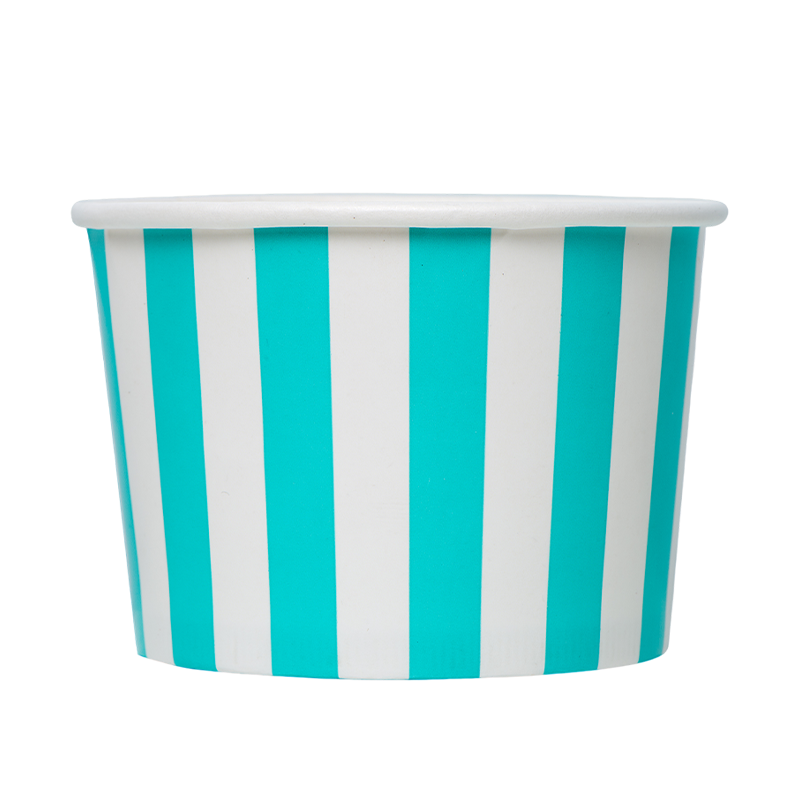
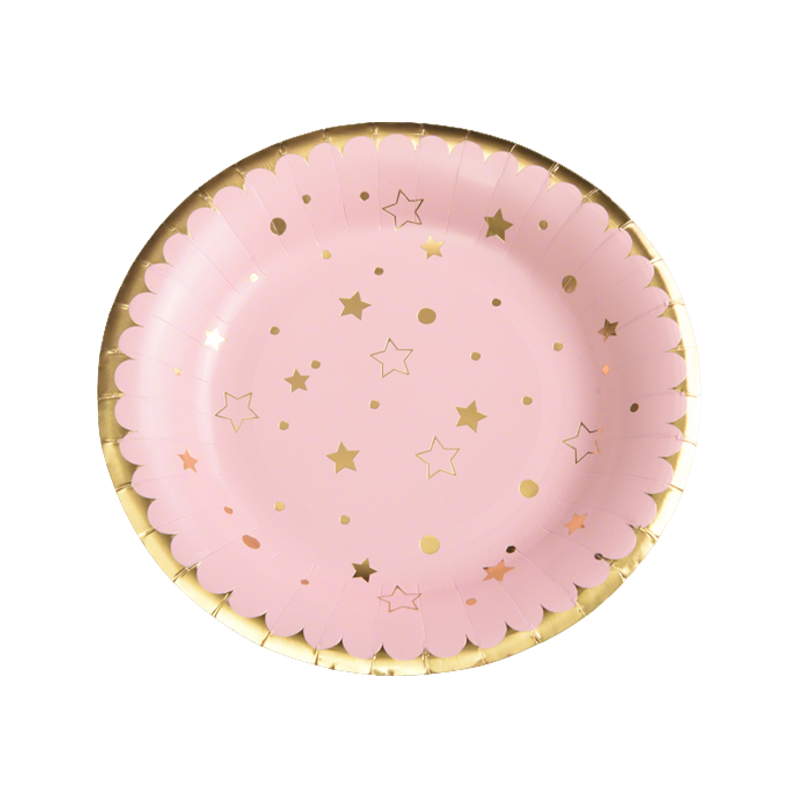
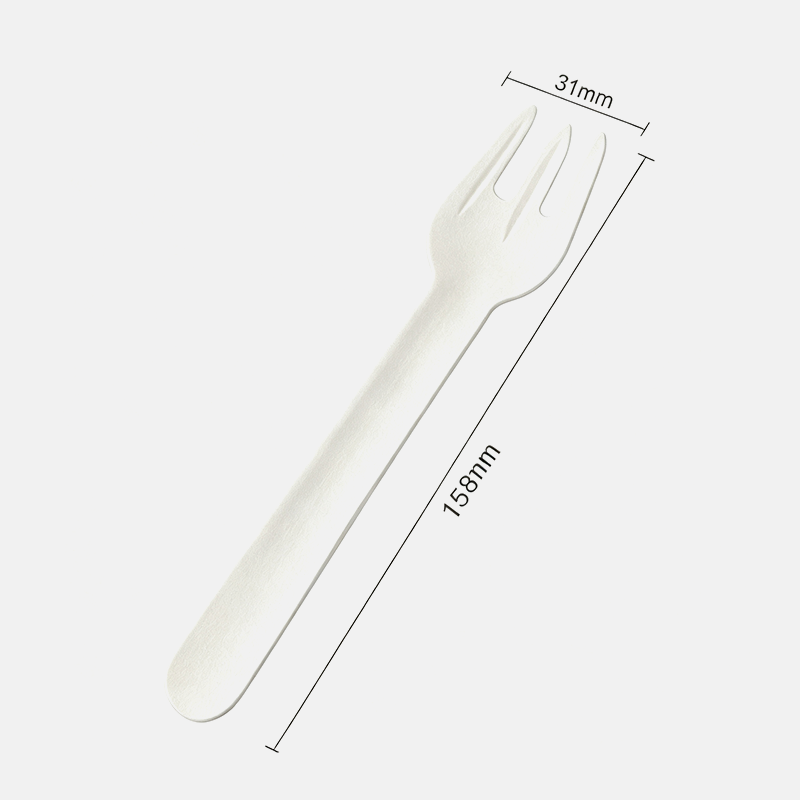

-
Modern Green And Environmentally Friendly Paper Product Manufacturer
-
Quick Links
Home About Us Products News Contact Us -
Product Categories
Paper Plates Paper Cup Paper Napkin Paper Food Container Disposable Paper Tablecloth Wrapping Paper Roll Paper Cutlery -
Contact Us
 Tel: +86-13967818265
0086-13646629749 E-mail: [email protected]
E-mail: [email protected]
E-mail: [email protected]
E-mail: [email protected]
 Whatsapp: 008613646629749
 Add: 1036 Cidong Avenue, Binhai Economic Development Zone, Ningbo City, Zhejiang Province, China
