
-
About Us
Why Choose Us?
Ningbo Kosda New Material Technology Co., Ltd. was established in 2015 and is located in the Ningbo Binhai Economic Development Zone, China, which is the world's largest deep-water port in terms of throughput and a civilized city in China. It is a large modern production enterprise that integrates the design, research and development, production, and sales of paper products. The company adheres to the principle of quality development, advocates green and environmentally friendly products, and promotes the industrialization of high-tech. Starting from meeting customer needs, we provide high-quality and efficient services.
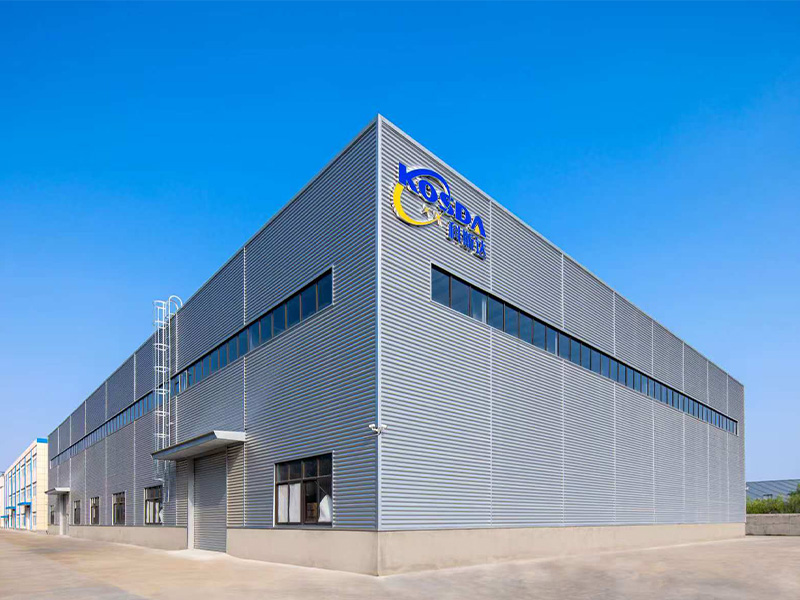 Modern Green And Environmentally Friendly Paper Product Manufacturer
 -
Products

-
News






 English
 French
 Español
 German

Industry News
Biodegradable vs Compostable: The Complete Buyer's Guide to Eco-Friendly Disposables
A purchasing manager opens a sample box from a new disposable tableware supplier. The box contains kraft paper plates, paper bowls, takeout containers, and party napkins. Each item carries an environmental claim: one says biodegradable, another says compostable, and a third simply says eco-friendly. On the surface, these words sound interchangeable. In practice, they lead to very different outcomes for waste handling, sustainability reporting, and consumer trust.
The short answer is straightforward: compostable products are always biodegradable, but biodegradable products are not necessarily compostable. That single sentence changes how a buyer evaluates suppliers, selects materials, and plans end-of-life handling. For a business that purchases in bulk, this distinction is not a marketing nuance. It affects unit cost, regulatory compliance, and the real environmental benefit your company can claim to its customers.
Ningbo Kosda New Material Technology Co., Ltd. is a manufacturer of paper plates, paper cups, paper bowls, napkins, food containers, party tablecloths, and wrapping paper, serving importers, distributors, wholesalers, and foodservice brands from its factory in the Ningbo Binhai Economic Development Zone. Our engineers explain the compostable and biodegradable difference to every buyer who asks, because a responsible supplier should help you understand exactly what you are purchasing. This guide covers the scientific background, certification standards, the practical factors that affect material choice, and the red flags you should watch for when comparing biodegradable vs compostable products.
Content
- 1 Biodegradable vs Compostable: The Core Difference
- 2 What Does Biodegradable Mean?
- 3 What Does Compostable Mean?
- 4 Biodegradable vs Compostable: Side-by-Side Comparison
- 5 Decomposition Timeline: A Practical Visual Comparison
- 6 Certification Standards That Matter for Sourcing
- 7 Why the Difference Matters for Foodservice and Catering Businesses
- 8 Selecting the Right Product for Your Application
- 9 Greenwashing Traps: How to Spot Unreliable Labels
- 10 Partnering with a Manufacturer That Stands Behind Its Labels
- 11 Frequently Asked Questions
- 11.1 Is compostable always better than biodegradable?
- 11.2 Can biodegradable paper plates go into a home compost bin?
- 11.3 How do I verify a supplier's compostable claim?
- 11.4 Are Kosda's paper products biodegradable or compostable?
- 11.5 How long do these products take to break down?
- 11.6 Can biodegradable or compostable paper products be recycled?
- 12 Final Takeaway
Biodegradable vs Compostable: The Core Difference
If you remember only one concept from this article, think of two circles. The larger circle is biodegradable. The smaller circle inside it is compostable. Every product that is certified compostable also meets the definition of biodegradable, because the material is broken down by microorganisms into carbon dioxide, water, biomass, and minerals. However, a product described only as biodegradable may take many years, or even centuries, to break down, and no universal standard defines the required conditions or the acceptable residues.
The term biodegradable describes the type of chemical process involved, but it does not say how quickly the process happens, what environment is required, or whether the material leaves toxic fragments behind. Compostable, by contrast, is a performance specification. A certified compostable product must disintegrate within a set period, biodegrade at a measured rate, and leave no harmful residue. These requirements turn an adjective into a testable promise.
For buyers comparing biodegradable vs compostable tableware, the practical implication is immediate. If the goal is to send used products to an industrial composting facility, the buyer needs items with a recognized compostability certificate. If the goal is simply to reduce the persistence of waste in a landfill or natural environment, a well-made biodegradable kraft paper product can be a reasonable choice, provided the buyer understands its limitations.
What Does Biodegradable Mean?
Biodegradation is a natural process in which microorganisms, including bacteria, fungi, and algae, consume organic material and convert it into water, carbon dioxide, biomass, and, in oxygen-free environments, methane. Paper, wood, cotton, and other plant-derived substances are inherently biodegradable. A cardboard box left in a forest will eventually disappear, while a conventional plastic bag will not, because the polymer structure resists microbial consumption.
The crucial detail is that biodegradation has no agreed deadline. A material can legally be called biodegradable even if it takes a hundred years to break down, as long as the process is biologically driven. Some plastic products marketed as biodegradable use additives that fragment the material into smaller particles; these particles are technically smaller, but many remain in the environment indefinitely as microplastics. This is precisely why regulators and sustainability professionals increasingly treat the standalone term biodegradable as unreliable.
In paper-based foodservice products, biodegradability depends heavily on the base fiber and the coating. A plain uncoated kraft paper plate is highly biodegradable and will break down relatively quickly when exposed to soil moisture and microbes. A paper plate coated with conventional polyethylene film, however, joins a biodegradable base with a non-biodegradable layer, so the composite behaves far differently from raw paper. When a supplier labels such a product simply as biodegradable, the buyer should ask which part of the product is biodegradable and what happens to the coating.
The surrounding environment also matters. The same product degrades at very different rates in industrial compost, soil, fresh water, and marine water. In a modern landfill, even compostable items can persist for decades, because landfills minimize air and moisture, which are exactly the conditions microbes require. Understanding this reality prevents a buyer from assuming that the word biodegradable alone solves the waste problem.
What Does Compostable Mean?
Compostability takes biodegradation and adds measurable performance requirements. To be certified as compostable under a recognized standard, a product must satisfy three criteria. First, it must disintegrate into fragments smaller than two millimeters within a defined period, usually twelve weeks. Second, a significant proportion of the organic carbon must be converted into carbon dioxide within a specified window, typically ninety days. Third, the finished compost must pass an eco-toxicity test, confirming that plants can grow in it without damage.
These criteria are not arbitrary. They guarantee that a product labeled compostable can be processed in a real commercial facility without contaminating the output. Industrial composting operates at temperatures around fifty-five to sixty degrees Celsius, with optimized moisture and aeration. Many paper products certified for industrial composting will not break down as quickly in a backyard bin, which is why separate home compost certifications exist for materials that degrade at ambient temperatures.
Certification logos allow buyers to compare claims objectively. The BPI logo in North America references ASTM D6400 for plastic and ASTM D6868 for paper and paperboard. The Seedling logo in Europe references EN 13432 for packaging. OK Compost HOME verifies performance in domestic conditions. When a supplier cannot present a certificate from one of these programs, the word compostable should be treated as an unverified assertion.
For a manufacturer, compostability requires disciplined raw material selection, controlled coating formulations, and batch-level documentation. Products such as Kosda's compostable kraft dessert bowls and 6-inch square compostable plates are designed with this level of rigor, so that importers and distributors can offer them to foodservice customers who require certified material.
Biodegradable vs Compostable: Side-by-Side Comparison
The table below summarizes the operational differences that a purchasing manager should consider when evaluating disposable tableware.
| Criterion | Biodegradable | Compostable |
|---|---|---|
| Definition | Broken down by microorganisms into natural substances | Biodegradable process with added time and safety requirements |
| Timeframe | No defined limit; months to centuries | Typically 90 days for biodegradation; 12 weeks for disintegration |
| Conditions | Any environment where microbes exist | Industrial compost at 55 to 60 degrees Celsius, or home compost for certified items |
| End product | Water, carbon dioxide, biomass; possible microplastic fragments | Non-toxic compost that supports plant growth |
| Certification | No universal standard | Third-party certification such as BPI, Seedling, OK Compost HOME |
| Label reliability | Low; frequently misused | High; based on laboratory testing |
| Best fit | Landfill or open-environment disposal | Commercial composting collection programs |
If you are buying paper plates, paper bowls, cups, and food containers for a business, this table highlights the questions you should ask each supplier. Does the product hold a certification? What time frame does the manufacturer claim for full degradation? Does the certification cover the entire finished product, including coating and printed ink, or only the paper base? The answers separate meaningful environmental performance from cosmetic labeling.
A common confusion concerns recycled content and compostability. A product can contain recycled fiber and still meet a compostability standard, provided the fiber and coating pass the test. Another product can be made from virgin fiber and still fail the standard because of a polyethylene coating. Buyers should evaluate each item by its certificate and test reports rather than by assumptions about the material family.
Decomposition Timeline: A Practical Visual Comparison
To give buyers a clearer sense of real-world performance, this chart compares the approximate time required for common disposable products to fully break down under active compost or soil conditions.
The figures come from typical ranges reported in industry standards documentation and manufacturer testing; they are not lab guarantees for every batch.
Certified compostable paper products are engineered to finish degrading within the operational cycle of an industrial composting facility.
Conventional coated paper products combine a paper base with a polymer layer, which changes their breakdown profile significantly.
Understanding these timelines helps a foodservice buyer match product choice with the waste management system available in their region.
The chart clearly separates certified compostable paper products from conventional alternatives.
Certified compostable paper plates and bowls break down within two to three months under industrial agitation and temperature.
This timing aligns with the typical retention period of a commercial composting operation, exactly what standards like ASTM D6400 are designed to ensure.
Uncertified biodegradable kraft paper products, such as standard uncoated or lightly coated plates, generally disappear within four to six months in moist soil.
That result is still a meaningful improvement over plastic, but it is a range rather than a commitment.
PLA-lined cups and containers occupy the middle range, often taking six to twelve months even in industrial conditions because the polymer layer degrades more slowly than paper fiber.
Some composting facilities hesitate to accept PLA-lined items when their process window is shorter than twelve weeks.
At the other end, conventional PE-coated paper products and plain plastics dominate the timeline, remaining intact for years or even centuries.
The practical implication is that certified compostable products offer a quantifiable end-of-life outcome, while biodegradable products offer only a directional benefit.
For a catering company that separates its event waste and sends it to a regional composter, certified compostable tableware is the only honest choice.
For a quick-service restaurant where waste will almost certainly be landfilled, a biodegradable kraft product may be preferable to plastic, but the buyer should not advertise composting claims.
The environmental value of a compostable label depends on the existence of a facility that can process it, so regional infrastructure must be part of the decision.
Suppliers and importers should ask their customers about local waste facilities before recommending a specific product line.
In Kosda's experience, international buyers choose certified compostable lines for markets with mature composting networks, and biodegradable kraft lines when a natural aesthetic and lower purchase cost take priority.
The decomposition timeline is therefore the most concrete way to visualize the difference between biodegradable and compostable products.
Certification Standards That Matter for Sourcing
For B2B buyers, certification is the most efficient way to verify an environmental claim. A certificate provides traceability, test results, and a legal basis for the buyer's own marketing statements. Without it, a supplier's description is essentially unverified opinion.
The standards most commonly encountered in the disposable tableware market include:
- ASTM D6400: Standard specification for plastics designed to biodegrade in industrial composting facilities.
- ASTM D6868: Standard specification for paper and paperboard products, including coated items, intended for industrial composting.
- EN 13432: European standard for packaging recoverable through composting and biodegradation, covering disintegration, biodegradation, and eco-toxicity.
- AS 4736: Australian standard for industrial compostability of packaging.
- NF T51-800 / OK Compost HOME: Certification for products suitable for home composting at ambient temperatures.
- BPI Certification: North American program that labels products verified against ASTM standards.
Each standard defines its own test methods, threshold values, and validity period. A responsible buyer checks the certificate's product name, referenced standard, testing laboratory, and expiry date. A certificate that covers only the paper substrate, while the coating and ink are excluded, is not sufficient for a claim about the finished plate or cup.
As a manufacturer, Kosda aligns product development with these frameworks because overseas buyers need documentation for customs clearance, retailer compliance, and sustainability reporting. When a distributor in Europe requests EN 13432-compliant paper cups or containers, the technical file determines whether the transaction proceeds. This is why the company's sourcing, coating, and printing decisions are made with certification in mind from the beginning.
Why the Difference Matters for Foodservice and Catering Businesses
The operational impact of choosing biodegradable vs compostable products becomes visible in a typical restaurant or catering context. Suppose a business operates twenty locations and switches all disposable packaging to certified compostable items. The buyer will pay a premium of roughly ten to twenty-five percent, depending on the product and material. That premium only creates an environmental benefit if the local waste authority operates an industrial composting program, and if the waste hauler actually separates food scraps and compostable packaging for that facility. If everything goes to landfill, the certified compostable item degrades slowly because the landfill environment lacks the air and moisture that microbes need.
This is why sustainability advisors encourage buyers to map their regional waste infrastructure before selecting material. A restaurant in a city with mandatory commercial composting is in a different position from a catering company in a rural area where no facility accepts compostable packaging. The rural caterer may find that an uncoated biodegradable kraft paper plate, which breaks down naturally in moist soil, is both cheaper and more honest than a certified compostable item sent to landfill.
Regulatory developments also push toward clearly defined labels. Some jurisdictions now restrict the use of the term biodegradable on packaging unless the product meets a specific standard, precisely because the unqualified term has been abused. European and North American retailers increasingly demand compostability certificates for foodservice packaging. A supplier that cannot provide the paperwork becomes a bottleneck for the buyer's compliance and market access.
For the purchasing manager, the right question is not simply which category is better, but which category is better for a specific market, a specific waste contract, and a specific set of customer expectations. A factory partner that listens to these variables, rather than pushing one product line, is more valuable in the long run.
Selecting the Right Product for Your Application
Once the definitions are clear, the selection logic becomes practical. Buyers should start from the disposal route, then work backward to material, coating, and certification. The table below gives a starting framework for that decision.
Choose Biodegradable When
|
Choose Compostable When
|
In practice, many Kosda customers combine both approaches. A typical order might include certified compostable dessert bowls and square plates for urban coffee shops, plus biodegradable kraft party plates for a more traditional catering channel. Our manufacturing system supports hybrid ordering, so clients can assemble the exact product range their markets require.
Product format also affects the choice. Paper plates, napkins, and uncoated containers can be made biodegradable or compostable without much difficulty because the base fiber is natural. Products that must resist moisture, such as cups and saucy food containers, require a barrier coating. The coating determines whether the finished product can be certified. Buyers should recognize that compostable barrier coatings generally cost more than polyethylene, and certification adds lead time.
This is the point where manufacturing experience becomes an asset. Kosda has produced paper tableware since 2015 and has tested different fiber blends and coating combinations to balance strength, water resistance, print quality, cost, and certification. When a customer requests a specific thickness, shape, or printed artwork, our engineers can recommend the most reliable material configuration for the intended end-of-life scenario.
Greenwashing Traps: How to Spot Unreliable Labels
Greenwashing is not rare in the disposable tableware market. Marketers know that environmental adjectives influence buyer preference, so those adjectives are used liberally. The following warning signs should prompt closer scrutiny:
- The word biodegradable appears with no certification and no time frame.
- The label uses terms like oxo-biodegradable or photodegradable, which usually imply fragmentation by additives or ultraviolet light rather than true microbial conversion.
- Compostable is printed on the package without a recognized logo or with a private in-house label.
- Green leaves, earth tones, and nature imagery dominate the packaging, but the technical documentation is empty.
- The supplier claims recycled content as proof of environmental performance, when recycled content says nothing about biodegradability or compostability.
- The website shows a certificate, but the sales department cannot provide a batch-level declaration or test report.
The oxo-biodegradable category deserves special attention. These materials contain a pro-degradant additive that breaks the polymer chain into small fragments. Whether those fragments are then consumed by microbes remains an open scientific question, and several studies have raised concerns that the process creates microplastic pollution. The European Union has moved to restrict oxo-degradable plastics precisely because the claims are not convincingly supported. For most paper tableware buyers, encountering oxo terminology is a clear reason to look elsewhere.
Another frequent trap is the assumption that everything made from paper is automatically compostable. The paper fiber may be compostable, but the finished product may not be, because of the coating, ink, or lamination. The buyer should always request evidence that covers the full composition, not just the fiber.
A transparent manufacturer will welcome these questions. When Kosda labels a product as compostable, we can point to the certification program, the test lab, and the material specification. When we label a product as biodegradable, we explain the basis for that description and its limitations. That level of candor protects both our customers and the credibility of their sustainability programs.
Partnering with a Manufacturer That Stands Behind Its Labels
The conversation now moves from definitions to supply. Ningbo Kosda New Material Technology Co., Ltd. is a manufacturing enterprise that designs, develops, and produces paper-based tableware and packaging from its base in the Ningbo Binhai Economic Development Zone, near one of the world's busiest deep-water ports. Since 2015, Kosda has shipped full-container export orders to overseas wholesalers, importers, and branded foodservice programs. The product range includes paper plates, paper cups, paper bowls, napkins, food containers, party tablecloths, and wrapping paper.
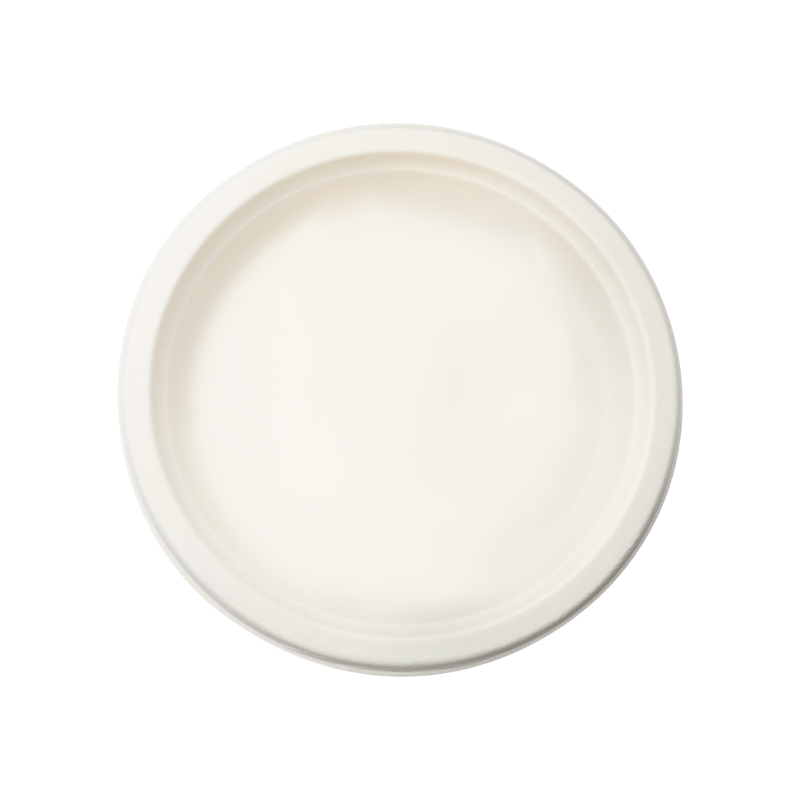
The company builds its catalog around three paper families: kraft paper for a natural, environmentally friendly look; pure white paper for weddings, gifts, and premium events; and coated art paper for waterproof, printed banquet applications. In every family, Kosda offers biodegradable, compostable, recyclable, and food-grade specifications. One example is the 7-inch biodegradable dessert paper plates, which pair a sturdy kraft base with a compact size for cake shops, dessert bars, and coffee counters.
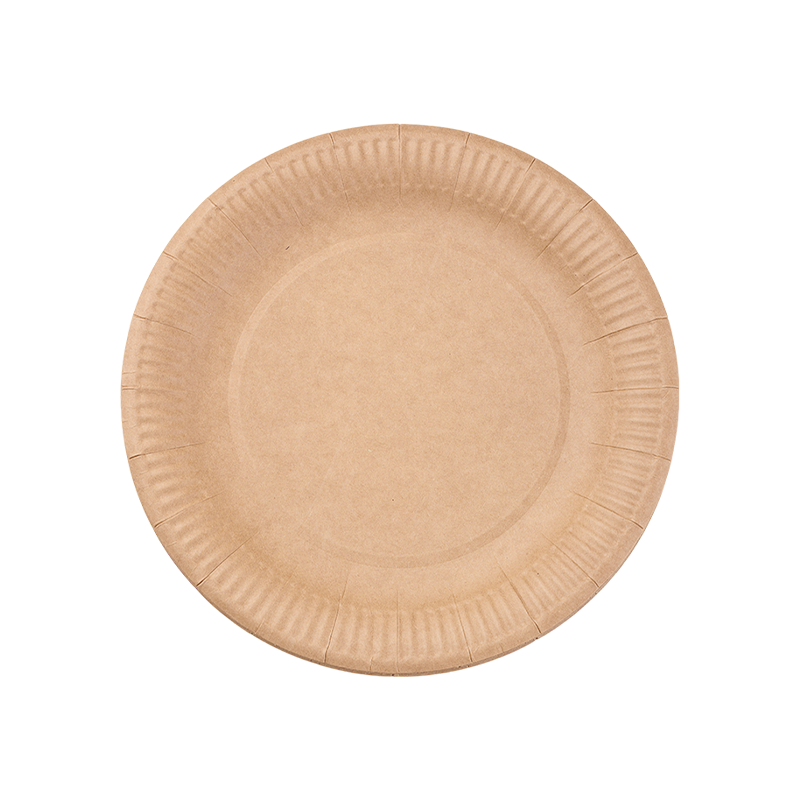 Custom 7-Inch Dessert Paper Plate – Biodegradable Supplier, Factory - Ningbo KosNingbo Kosda New Material is China 7-Inch Dessert Paper Plate – Biodegradable supplier and custom factory, provide OEM/ODM 7-Inch Dessert...View Product →
For buyers whose waste stream routes to industrial composting, Kosda also manufactures certified compostable lines. The 6-inch compostable square disposable plate is marketed for appetizers, canapes, and side portions, with a clean modern shape that suits caterers and event planners. The compostable kraft dessert bowl provides a certified option for takeaway desserts and snack packaging, with a natural brown finish that signals an eco-conscious brand.
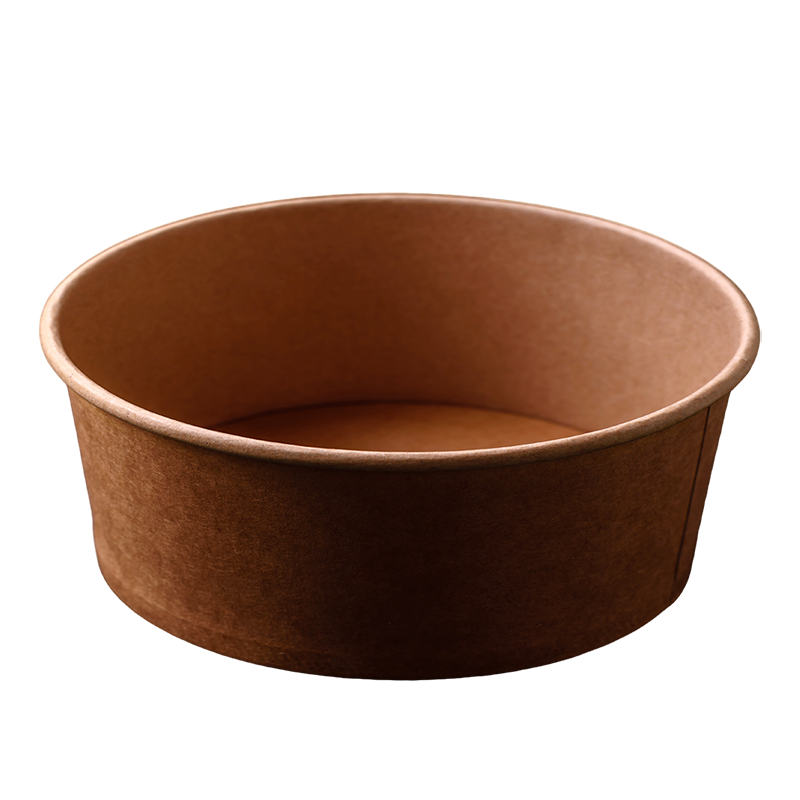 Custom Compostable Kraft Dessert Bowl Supplier, Factory - Ningbo Kosda New MaterNingbo Kosda New Material is China Compostable Kraft Dessert Bowl supplier and custom factory, provide OEM/ODM Compostable Kraft Dessert ...View Product →
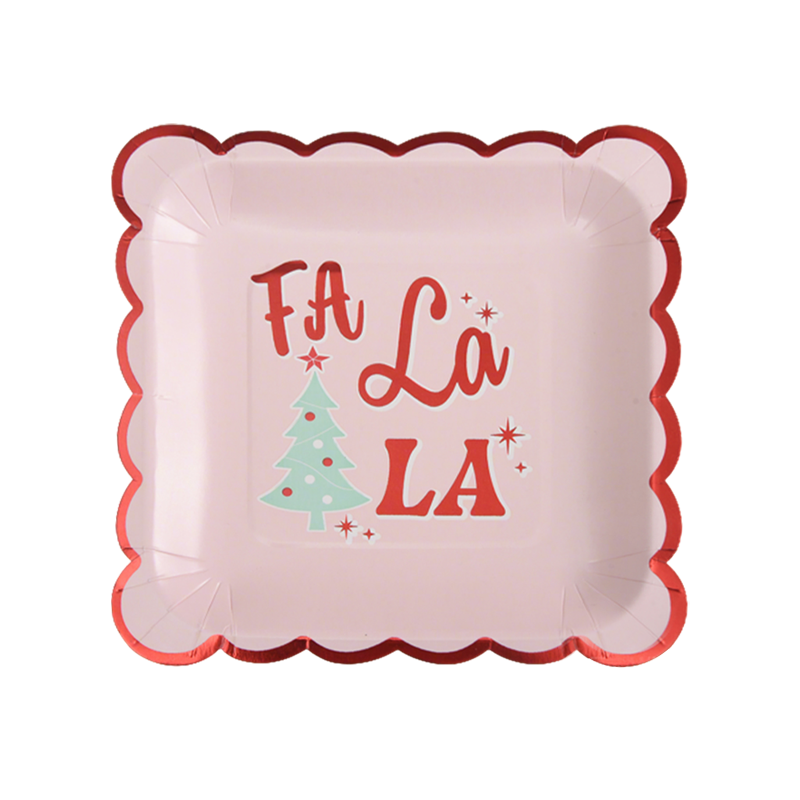 Custom 6-Inch Square Disposable Plate – Compostable Supplier, Factory - Ningbo KNingbo Kosda New Material is China 6-Inch Square Disposable Plate – Compostable supplier and custom factory, provide OEM/ODM 6-Inch Squar...View Product →
Kosda treats the buyer-supplier relationship as a partnership rather than a transaction. That philosophy drives the OEM and custom services, which cover custom color, custom image and text, custom shapes, and custom packaging. Whether a client is an importer launching a new eco-brand or a restaurant chain standardizing its event supplies, the factory can produce exact specifications, with samples, batch records, and loading inspections to keep the supply chain stable. This approach creates a win-win scenario: the buyer receives reliable, compliant products at factory-direct prices, and Kosda builds long-term programs with serious partners.
Helpful Resources for Your Sourcing Process
Read the sustainable food packaging buyer's guide to understand how compostability fits into the wider world of recyclable and renewable materials.
If you already know the product specification you need, contact the Kosda team with your quantity, customization, and certification requirements for a direct factory quotation.
Frequently Asked Questions
These are the questions that procurement teams, importers, and foodservice operators most often ask when they compare biodegradable vs compostable tableware.
Is compostable always better than biodegradable?Compostable is a stricter claim, but whether it is better depends on the disposal infrastructure available to the end user. If no industrial composting facility serves the region, a certified compostable product that ends up in a landfill has little advantage over a biodegradable product. When measured as a verifiable performance standard, compostable is the stronger label. |
Can biodegradable paper plates go into a home compost bin?Only a product certified to a home compost standard, such as OK Compost HOME, should be placed in a backyard bin with confidence. A product certified only to an industrial standard is designed for higher temperatures and will take much longer at ambient temperatures. A product labeled only as biodegradable, without certification, is not a reliable candidate for home composting. |
How do I verify a supplier's compostable claim?Ask for the certificate, confirm that it covers the entire finished product including the coating and ink, and check the standard referenced. Look for a recognized logo such as BPI or Seedling. You may also request the test lab report. A serious manufacturer will provide these documents without hesitation, because the documentation is part of the commercial offer. |
Are Kosda's paper products biodegradable or compostable?Kosda offers both categories across its product range. The 7-inch dessert paper plates are positioned as biodegradable kraft products, while the 6-inch square disposable plates and the compostable kraft dessert bowls are certified compostable items for industrial facilities. The correct choice depends on the customer's waste route, and our sales and engineering team will help you select the specification that fits. |
How long do these products take to break down?Certified compostable paper tableware typically disintegrates within twelve weeks and fully biodegrades within ninety days under industrial conditions. Uncertified biodegradable kraft paper products generally take four to six months in soil or an active compost pile. Conventional plastic-coated paper products take years, while ordinary plastics can remain for centuries. |
Can biodegradable or compostable paper products be recycled?Clean paper products can be recycled if the fiber quality is preserved. In foodservice, however, plates and bowls are usually contaminated with food, which makes recycling impractical. Compostable products are designed to be collected with food waste and processed in a composter, not sent to a paper recycling mill. |
Final Takeaway
The distinction between biodegradable and compostable is not an academic detail. It determines whether a sustainability claim can be defended, whether the waste can actually be processed in the intended facility, and whether customers receive what the label promises. Compostable sits inside biodegradable as a stricter, certified subset; biodegradability describes a process without a deadline.
For importers, distributors, wholesalers, and foodservice operators, the practical steps are clear. Define the end market and the waste infrastructure first. Choose certified compostable products when verifiable performance is required, and biodegradable kraft products when the environment or the economics point in that direction. Ask every supplier for certification documents, check the coating and the ink, and work with a manufacturer that tells you honestly what a product can and cannot do.
Kosda has built its export model on this transparency. Whether you need biodegradable kraft paper plates for a picnic brand, certified compostable dessert bowls for a coffee chain, or custom-printed party tableware for a distribution catalog, the factory team is ready to discuss your requirements. Bulk inquiries, OEM customization, and long-term supply arrangements are welcome, because a cooperative partnership is the foundation of a stable, trustworthy supply chain.
Your email address will not be published. Required fields are marked *



-
Modern Green And Environmentally Friendly Paper Product Manufacturer
-
Quick Links
Home About Us Products News Contact Us -
Product Categories
Paper Plates Paper Cup Paper Napkin Paper Food Container Disposable Paper Tablecloth Wrapping Paper Roll Paper Cutlery -
Contact Us
 Tel: +86-13967818265
0086-13646629749 E-mail: [email protected]
E-mail: [email protected]
E-mail: [email protected]
E-mail: [email protected]
 Whatsapp: 008613646629749
 Add: 1036 Cidong Avenue, Binhai Economic Development Zone, Ningbo City, Zhejiang Province, China
