
-
About Us
Why Choose Us?
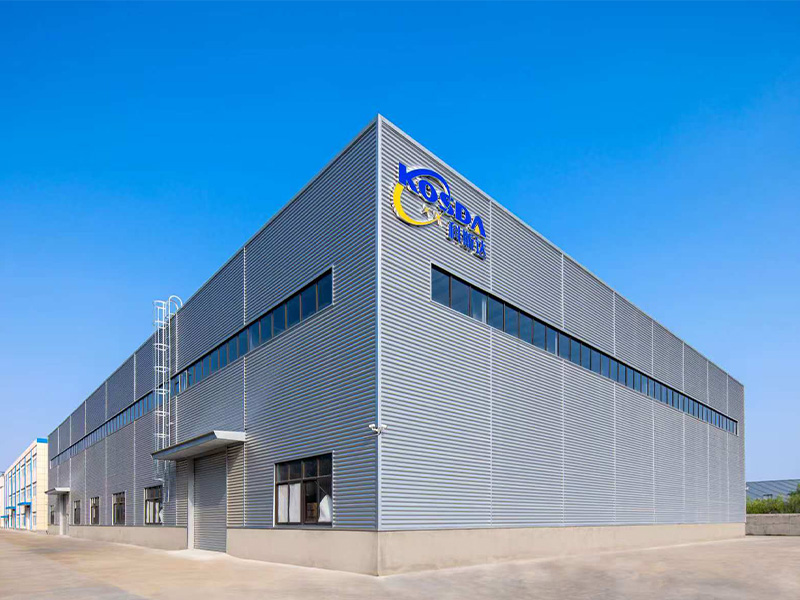
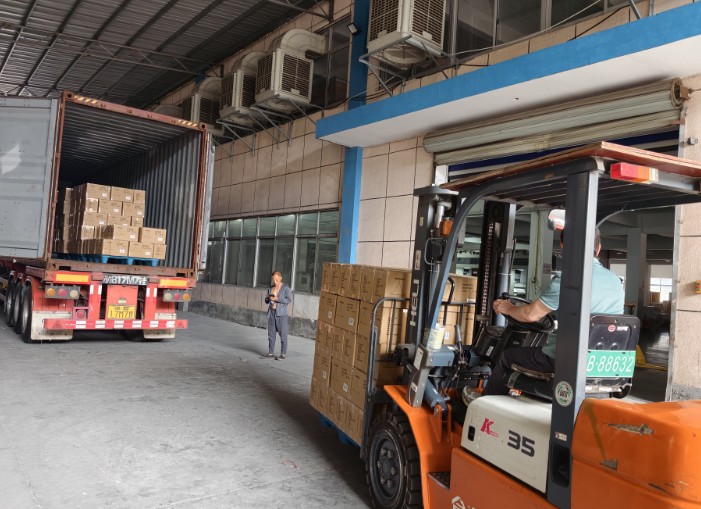
Ningbo Kosda New Material Technology Co., Ltd. was established in 2015 and is located in the Ningbo Binhai Economic Development Zone, China, which is the world's largest deep-water port in terms of throughput and a civilized city in China. It is a large modern production enterprise that integrates the design, research and development, production, and sales of paper products. The company adheres to the principle of quality development, advocates green and environmentally friendly products, and promotes the industrialization of high-tech. Starting from meeting customer needs, we provide high-quality and efficient services.
 Modern Green And Environmentally Friendly Paper Product Manufacturer
 -
Products

-
News



 English
 French
 Español
 German

Industry News
Biodegradable Materials for Foodservice Packaging: OEM Paper Plate and Cup Factory
Biodegradable materials are not a single label you can print on a box and forget. For a B2B buyer, they are a combination of fiber source, coating, converting method, food-contact safety, certification, storage conditions, and the waste system where the product will actually end up. That is why two paper plates can look identical on a shelf but behave very differently in a compost facility, a landfill, or a customer complaint file. At Kosda, a Ningbo-based paper products factory, the practical question we hear from importers, wholesalers, and brand owners is not “Is this biodegradable?” but “Can you supply this specification at scale, with consistent quality, and at a cost that lets both sides win?”
The short answer is yes, but only when the project is specified correctly from the beginning. The core keyword here is biodegradable materials, and the most useful way to understand them is through application. A 7-inch dessert paper plate, a custom paper cup, a kraft takeout container, a party napkin, and a gift wrap roll may all use paper-based biodegradable materials, yet each one demands a different balance of strength, grease resistance, water resistance, print quality, and end-of-life claim. This article explains those differences in plain commercial language, with the goal of helping procurement teams, product developers, and sourcing managers make better decisions before placing an OEM order.
Biodegradable materials only create value when they are matched to the use case, verified by documentation, and produced by a factory that can repeat the specification order after order.
Content
- 1 What Biodegradable Materials Mean for Paper Packaging Buyers
- 2 Material Choices That Matter in Paper Plates, Cups, Bowls, and Napkins
- 3 How Biodegradable Materials Behave in Real Foodservice Scenarios
- 4 OEM and Custom Manufacturing: What B2B Buyers Should Specify
- 5 Quality, Compliance, and Supply Chain Checks for Biodegradable Materials
- 6 Comparing Common Biodegradable and Compostable Paper Formats
- 7 Maintenance and Storage Guidance for Paper-Based Biodegradable Products
- 8 Working with a Paper Products Manufacturer: Partnership and Win-Win Cooperation
- 9 FAQ: Biodegradable Materials, Paper Plates, Cups, and Custom Orders
- 9.1 Are paper plates made from biodegradable materials?
- 9.2 What is the difference between biodegradable and compostable materials?
- 9.3 Can custom paper cups use biodegradable coatings?
- 9.4 How should I specify an OEM paper napkin or party napkin order?
- 9.5 What should a buyer check before choosing a biodegradable paper plate manufacturer?
- 9.6 Do biodegradable materials cost more than standard paper materials?
- 9.7 How does Kosda support win-win cooperation with B2B buyers?
- 10 Turning Biodegradable Materials into a Practical Product Strategy
What Biodegradable Materials Mean for Paper Packaging Buyers
In scientific and regulatory language, biodegradable materials are substances that can be broken down by microorganisms into water, carbon dioxide, biomass, and mineral salts under specific conditions. That definition sounds broad, and it is. Paper fibers from wood pulp, bamboo pulp, bagasse, and recycled fiber can all be biodegradable under the right conditions, but the additives, coatings, inks, and adhesives used to turn those fibers into a usable plate, cup, or container can change the story. A paper plate with a heavy plastic coating is not the same as an uncoated kraft paper plate, even if both started as cellulose.
For buyers, the first useful distinction is between biodegradable, compostable, and recyclable. These terms are related but not interchangeable. Biodegradable means microbial breakdown can occur, but it does not automatically promise a time frame or a specific environment. Compostable means the material meets a defined standard for disintegration, biodegradation, and ecotoxicity in a composting environment, such as EN 13432 or ASTM D6400. Recyclable means the material can be collected and processed into new material, which depends on local infrastructure and contamination levels. A product can be compostable in an industrial facility but not suitable for a home compost bin, and a product can be recyclable in theory but rejected by a local mill because of food residue.
This is why a paper cup manufacturer or factory cannot simply promise “100% biodegradable” without qualification. The claim must be tied to the substrate, the coating, the printing, the test standard, and the disposal method. For example, a single-layer kraft paper cup with a water-based coating may be designed for recyclability or industrial composting, while a high-barrier coated cup may be optimized for leak resistance and not for home composting. Both can be valid products. The mistake is assuming that one environmental label fits every market.
| Term | What it generally means | What buyers should verify |
|---|---|---|
| Biodegradable | Can break down through microbial action under certain conditions. | Test method, time frame, environment, and whether coatings or inks affect breakdown. |
| Compostable | Meets a recognized composting standard for disintegration and ecotoxicity. | Industrial or home composting claim, certification number, and thickness limits. |
| Recyclable | Can be collected and reprocessed into new fiber or material. | Local collection rules, food contamination, coating type, and mill acceptance. |
| Bio-based | Made from biological resources rather than fossil raw materials. | Percentage of bio-based content and whether the material is also biodegradable. |
The second distinction is between material and product. A roll of kraft paper may be biodegradable, but the finished plate may include a laminated film, a printed varnish, or a glued rim that changes its performance. A responsible OEM paper plate manufacturer or factory will ask about the destination market, the intended food contact, the required shelf life, and the disposal message before quoting. That is not paperwork for its own sake. It prevents a shipment from arriving with a claim that cannot be supported in the destination country.
Finally, buyers should treat biodegradability as one specification among many. Strength, stackability, temperature resistance, grease resistance, water resistance, print registration, and carton compression all matter in commercial use. A plate that composts quickly but collapses under a slice of cake is not a successful product. A cup that uses an excellent biodegradable coating but leaks after 20 minutes is not a successful product either. The best projects start with the performance requirement, then select the biodegradable material system that meets it.
Do not buy biodegradability as a slogan. Buy it as a documented material system that meets a defined performance and disposal requirement.
Material Choices That Matter in Paper Plates, Cups, Bowls, and Napkins
Most paper foodservice products are built around a small number of substrate families. Kraft paper is valued for its natural brown appearance, tear resistance, and strong environmental positioning. Coated art paper is chosen when bright printing, water resistance, and a premium feel are important. Pure white paper is used for clean, formal, or wedding-oriented designs where the visual message is simplicity and brightness. Recycled fiber and bamboo pulp are also part of the conversation because they reduce reliance on virgin wood fiber and can support a circular-economy story, but they must be checked for food-contact compliance, strength, and printability.
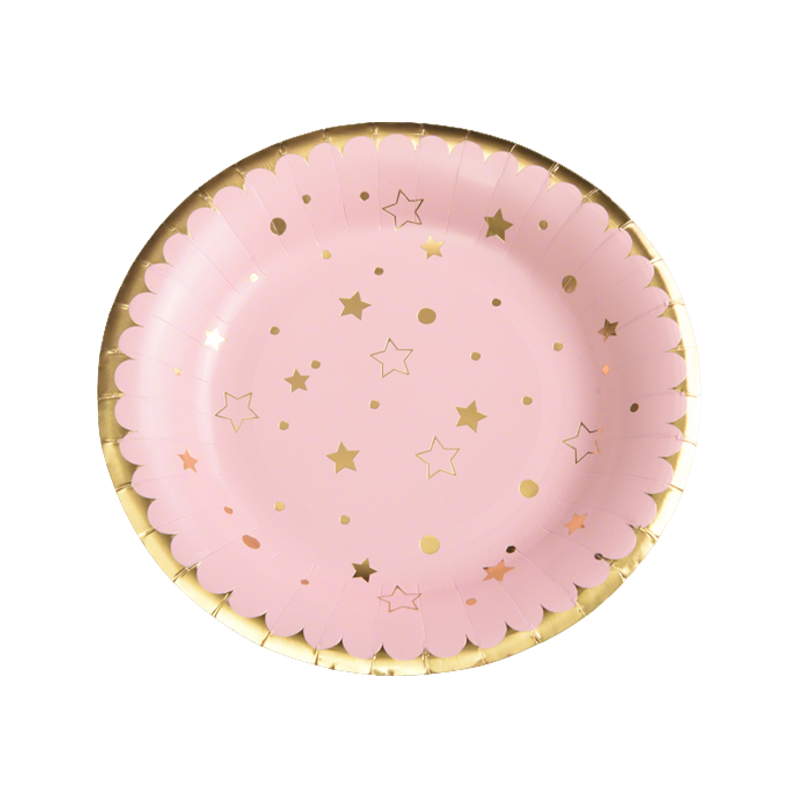
For a paper plate, the fiber choice affects rigidity, rim strength, and moisture resistance. A 7-inch dessert paper plate made from kraft board may be ideal for cakes, pastries, and light snacks, while a 10.5-inch outdoor serving plate needs greater stiffness for barbecue, picnic, and party use. A 9-inch kraft party plate with a custom print may need a coated surface if the design uses heavy ink coverage. A 6-inch compostable square plate may be specified for small portions, tasting events, or dessert service. These are not minor details. They determine whether the plate can be stacked, separated, carried, and used without bending.
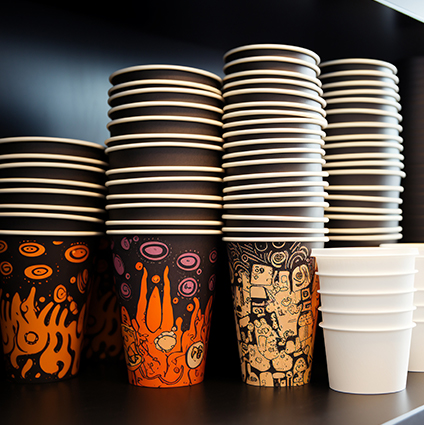
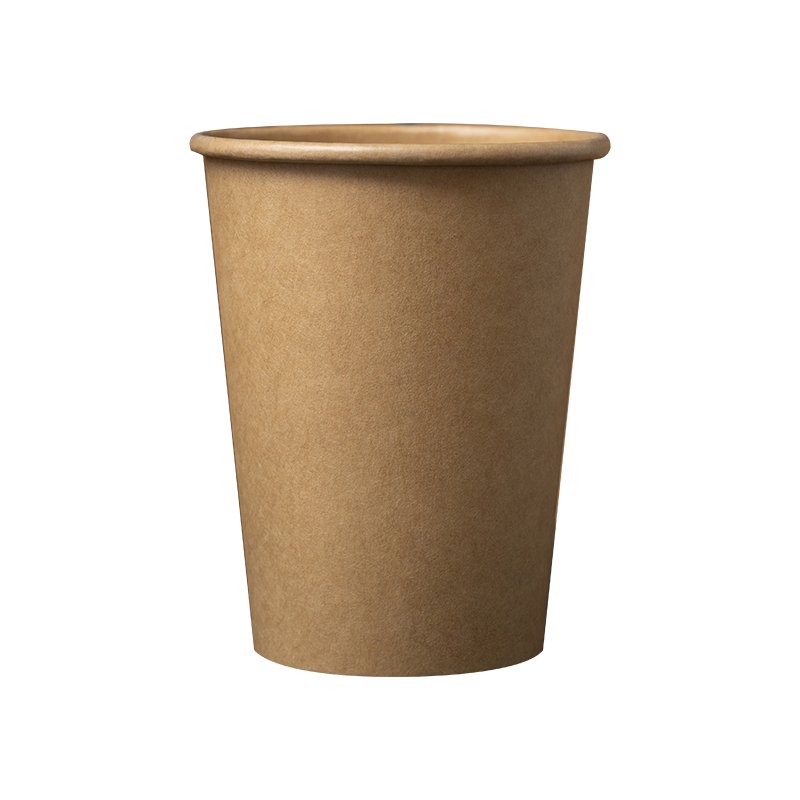
For cups and bowls, the main technical tension is between barrier and end-of-life. A single-layer kraft paper cup can be simple, recyclable, and visually natural, but it may need a water-based or bio-based coating for coffee, tea, or cold drinks. A custom paper cup for a café brand may require a high-quality print, a secure seam, and a lid that fits consistently. A paper cup manufacturer or factory that understands this will propose the right board thickness, coating weight, and rim specification rather than offering one universal cup for every drink. Bowls add another variable because they hold wet or oily food, so the coating, bottom diameter, and sidewall stiffness must be balanced.
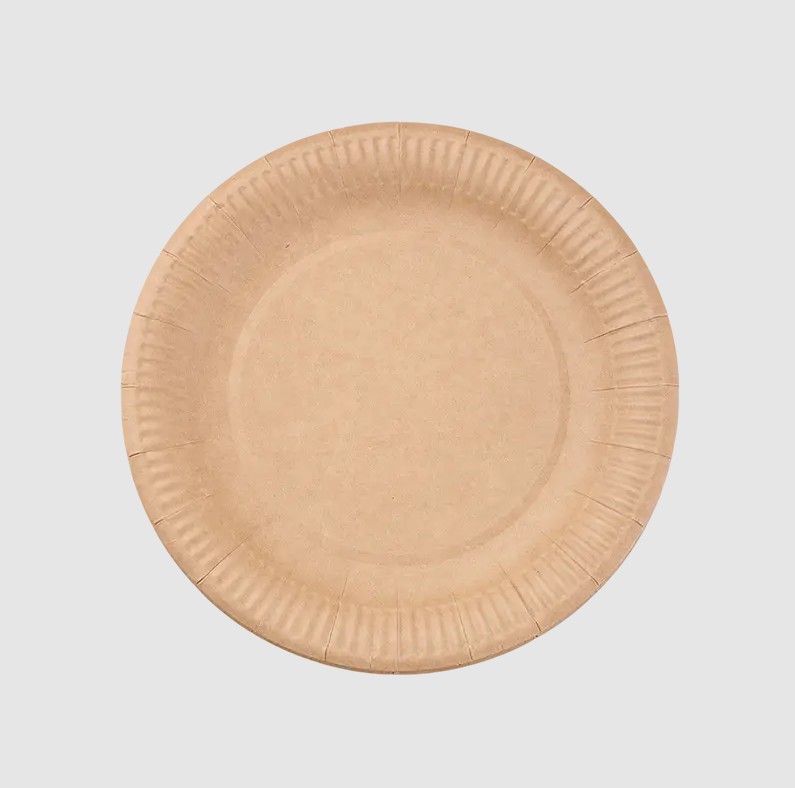
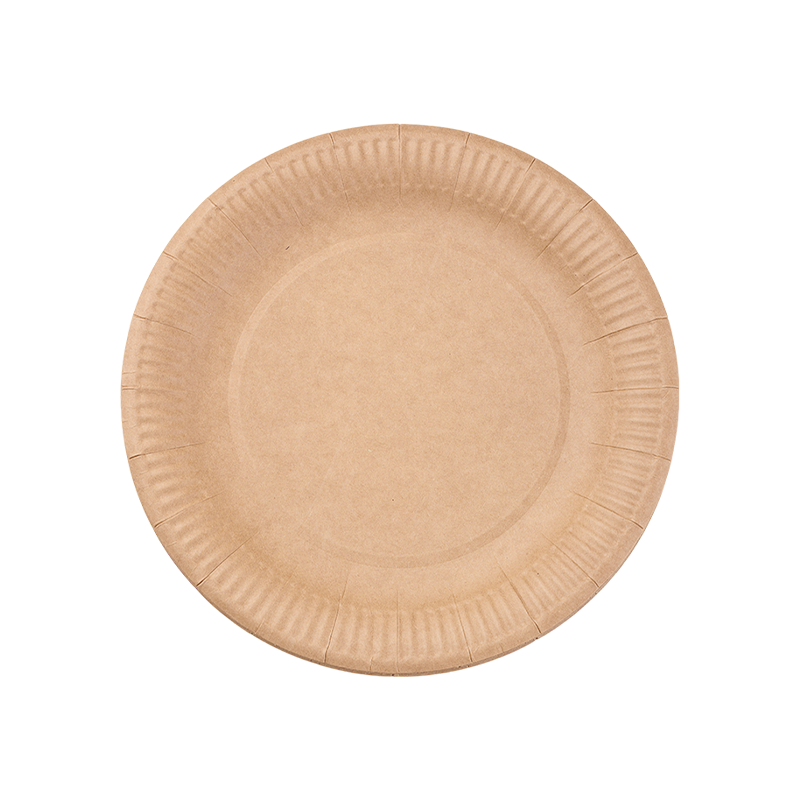 7-Inch Dessert Paper Plate – BiodegradableA 7-Inch Dessert Paper Plate – Biodegradable made of high-quality kraft paper; natural and environmentally friendly, easily degrades, returning to nature; suitable for...View Product →
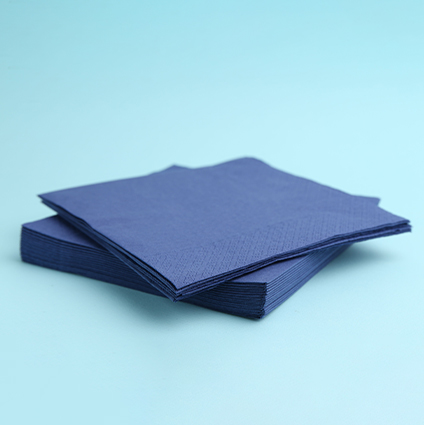
Napkins follow a different logic. A party napkin or OEM paper napkin is often judged by softness, absorbency, print quality, fold style, and pack presentation. A square napkin may be used for beverage service, while a shaped napkin such as a Christmas hat design supports seasonal promotions. For a party napkin manufacturer or factory, the key is to match tissue weight, ply, embossing, and ink coverage to the customer’s table setting. A napkin that feels too thin can undermine a premium brand, while a napkin that is too heavy can increase freight cost without adding perceived value.
Food containers and gift wrap extend the same thinking into different applications. A kraft takeout container is often chosen for hot sandwiches, bakery items, and casual dining because it communicates freshness and natural materials. A custom party goods gift wrap or gift wrapping paper manufacturer or factory must balance decorative print, tear strength, and roll width so that retailers and event planners can use it efficiently. In all these categories, the material is only the starting point. The converting process, the coating, the ink, and the packing method determine the final commercial product.
Kraft, coated art, and pure white paper each solve a different commercial problem; the right biodegradable materials choice follows the application, not the other way around.
How Biodegradable Materials Behave in Real Foodservice Scenarios
Biodegradable materials are often discussed in laboratory terms, but buyers live in real scenarios. A festival vendor needs a plate that can hold greasy food for 30 minutes without leaking. A coffee shop needs a cup that does not soften before the customer reaches the car. A wedding planner needs a white paper tablecloth and a lace-edged plate that look elegant in photographs. A bakery needs a dessert bowl that does not become soggy under cream. A takeout restaurant needs a kraft container that vents steam without losing rigidity. These use cases create very different material priorities.
In our experience supporting OEM paper plate, cup, bowl, napkin, and container projects, the most common mistake is over-specifying one property while ignoring another. A buyer may ask for the most biodegradable coating available, then discover that the coating does not provide enough grease resistance for fried food. Another buyer may choose a heavier board for strength, then find that the plate no longer fits the existing dispenser. A third buyer may choose a beautiful printed design, then learn that the ink coverage prevents the product from meeting a composting claim. The chart below is a planning tool we use to start those conversations.
The horizontal bar chart above is not a laboratory result or a universal ranking. It is a relative planning score for how often each material family fits common biodegradable foodservice paper projects when performance, cost, print, and end-of-life claims are considered together. Kraft paper scores high because it is widely available, visually credible, and suitable for plates, bowls, cups, and takeout containers when paired with the right coating. Recycled fiber blends score well because they support circularity messages, but they require careful control of odor, color consistency, and food-contact compliance. Pure white paper scores strongly for weddings, banquets, and premium dessert service, where appearance and cleanliness are central. Coated art paper remains important for party cups, tablecloths, and gift wrap because it accepts bright inks and water-resistant finishes, though its compostability depends on the coating chemistry. High-barrier coated board helps with greasy or wet takeout food, but it usually needs the most documentation because barrier layers can complicate end-of-life claims.
The chart also shows why a single “best” biodegradable material does not exist. A festival organizer may prioritize print impact and rigidity, which pushes toward coated art paper or a heavier kraft board. A coffee roaster may prioritize leak resistance and a natural look, which points to a coated kraft cup. A wedding venue may prioritize a bright white surface and a clean edge, which favors pure white paper. A grocery chain may prioritize a compostable claim for food scraps and light takeout, which requires a certified compostable board and a compatible coating. Each decision changes the board grade, the coating weight, the printing method, and the carton specification.
From a purchasing perspective, the chart should be used as a first filter, not a final answer. The next step is to define the food type, the maximum holding time, the serving temperature, the stacking requirement, and the disposal message. For example, a 10.5-inch outdoor serving plate used for barbecue needs more grease resistance than a 7-inch dessert plate used for cake. A custom snack cup used for dry nuts needs less moisture barrier than a paper cup used for hot coffee. A party napkin used for cake and ice cream needs different absorbency from a beverage napkin used for condensation. When these variables are written into the specification sheet, the material conversation becomes much more productive.
It is also worth noting that biodegradable materials can perform differently in humid and dry climates. Paper absorbs moisture from the air, so storage conditions affect stiffness, print adhesion, and coating performance. A container that arrives in perfect condition can become soft after weeks in a humid warehouse. A cup that performs well in a dry climate may need a stronger coating in a tropical market. This is why a paper cup manufacturer or factory should ask about the destination port, the storage period, and the distribution channel before finalizing the board and coating.
Finally, the chart reminds buyers that sustainability is a chain, not a single attribute. The fiber source, the mill, the coating supplier, the printer, the converter, the packer, and the freight route all contribute to the final environmental profile. A product made from biodegradable materials but shipped with excessive packaging or stored in poor conditions may still create waste and returns. A product made with a slightly less glamorous material but produced efficiently and used correctly may deliver a better overall outcome. The goal is not to win a label contest. The goal is to reduce waste while protecting the food, the brand, and the customer experience.
Use biodegradable materials as a performance system: match the material family to the food, holding time, climate, and disposal message before you lock the artwork.
OEM and Custom Manufacturing: What B2B Buyers Should Specify
When a project moves from idea to order, the specification sheet becomes the most important document. It should state the product type, dimensions, board grade, coating, print method, ink type, packing quantity, carton size, pallet pattern, and labeling requirements. For an OEM paper plate manufacturer or factory, the sheet should also state rim height, plate shape, stack height, and whether the plate will be used for hot, cold, wet, or oily food. For a custom paper plate manufacturer or factory, the artwork file, color target, and registration tolerance should be agreed before proofing. For a custom dinner plate factory, the difference between a dessert plate and a dinner plate may be only an inch, but that inch changes board weight, carton count, and freight cost.
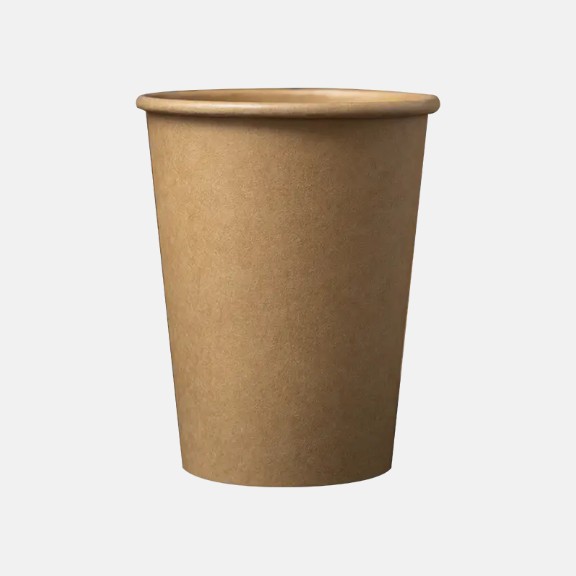
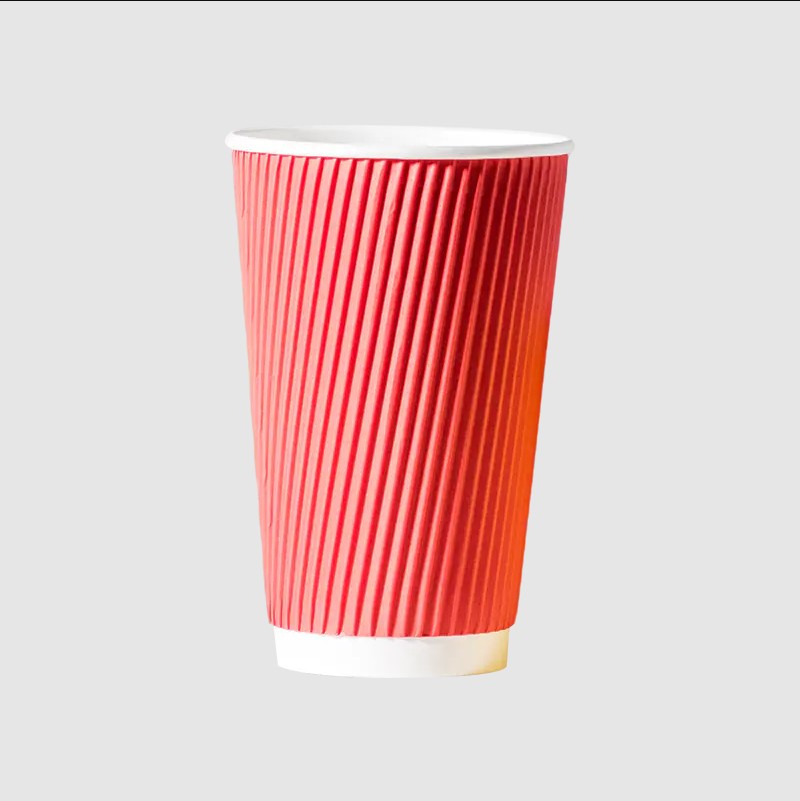
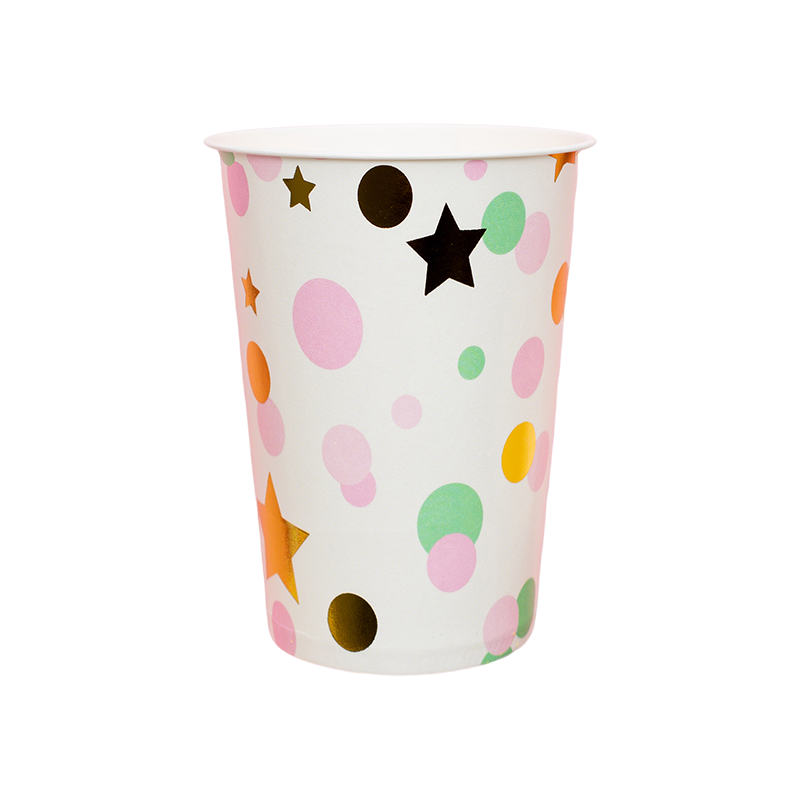
Custom paper cups require their own checklist. Buyers should specify the top and bottom diameter, height, nominal volume, seam type, coating, lid compatibility, and print orientation. A paper cup manufacturer or factory that also produces custom snack cup lines can often share tooling and printing capacity across projects, which improves lead time and reduces minimum order friction. A custom paper cup for a seasonal promotion may need a food-safe ink system and a coating that does not crack when the cup is rolled. A cup for cold drinks may need a different coating from a cup for hot coffee, even if the visual design is identical.
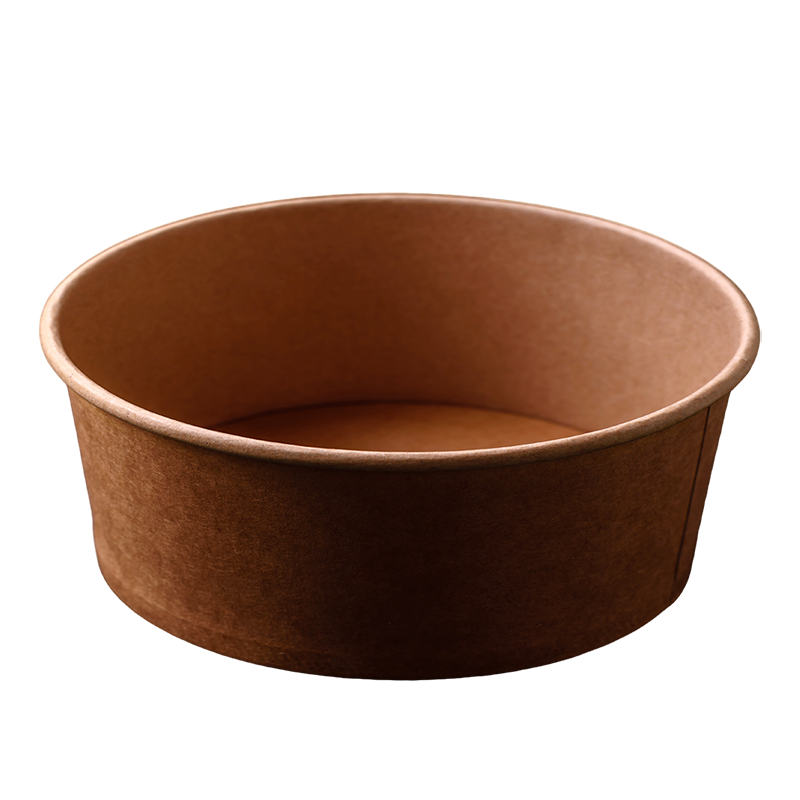 Compostable Kraft Dessert BowlProduced from natural unbleached kraft fiber, this bowl achieves full compostability for genuine circular economy compliance. Food-safe certification permits direct co...View Product →
Napkins and gift wrap follow the same logic. A party napkin manufacturer or factory should know whether the napkin will be folded, stacked, or packed with cutlery. An OEM paper napkin order may require a specific ply, emboss pattern, and edge finish. A custom party goods gift wrap project may require a particular roll width, core diameter, and shrink-wrap format. A gift wrapping paper manufacturer or factory should confirm whether the customer needs coordinated designs across multiple SKUs, because color consistency across rolls is often more important than a single beautiful sample.
For buyers who are comparing suppliers, the most useful questions are practical. Can the factory provide a certified material option? Can it produce a pre-production sample that matches the final board and coating? Can it maintain color within an agreed tolerance? Can it pack the product so that it arrives without crushed edges? Can it handle a mixed container with plates, cups, napkins, and containers? These questions separate a trading company that forwards orders from a manufacturer that controls the process. A B2B wholesaler or importer should also ask about capacity, lead time, and contingency planning for peak season.
Plate Programs
Kraft, coated art, pure white, round, oval, square, lace-edged, and custom-color plates for party, wedding, takeout, and dessert use.
Cup and Bowl Programs
Single-layer kraft cups, white coated cups, printed party cups, waterproof bowls, compostable dessert bowls, and insulated coffee bowls.
Napkin and Gift Wrap Programs
Square napkins, shaped napkins, monogrammed party napkins, OEM paper napkins, printed gift wrap rolls, and pure white wrapping paper.
Container Programs
Coated paper containers, kraft takeout containers, food-grade bowls, and custom printed packaging for casual dining and bakery chains.
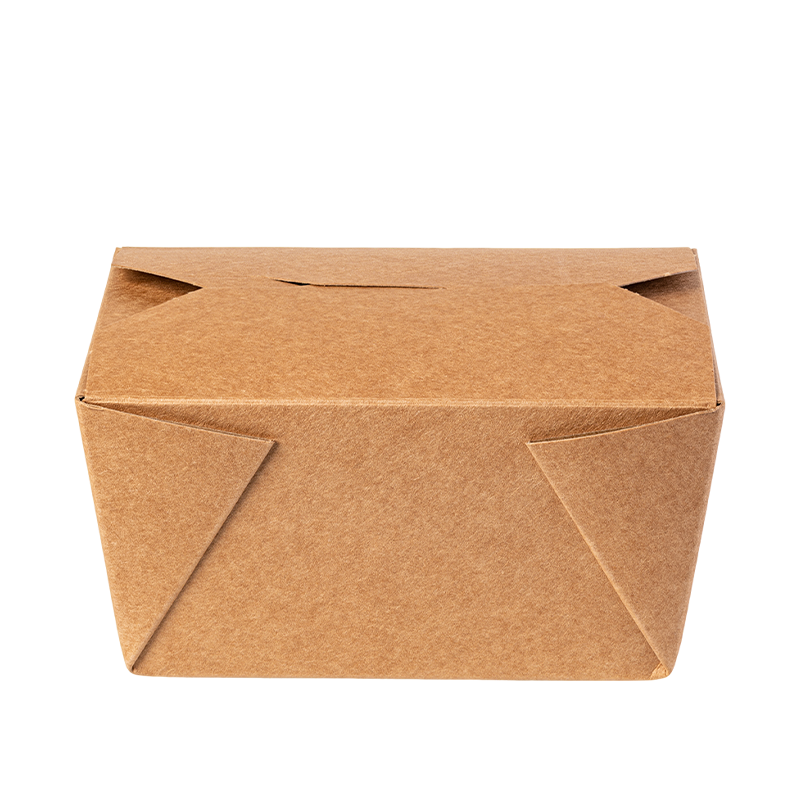 Kraft Takeout ContainerThis 750ml kraft paper cThis printed mini wrapping paper roll features colorful star-shaped patterns on premium coated art paper. Measures 70cm×3m with a 3.2cm paper c...View Product →
One of the most valuable things an experienced factory can do is challenge the brief before production. If a buyer asks for a compostable coated plate with a heavy dark print, the factory should explain the trade-offs and propose an alternative. If a buyer asks for a cup that is both high-barrier and home compostable, the factory should clarify the standard and the realistic options. If a buyer asks for a price that assumes one board grade but the artwork requires another, the factory should surface that early. This kind of pushback is not resistance. It is the beginning of a win-win cooperation model, because a failed shipment costs both sides far more than a revised specification.
A precise OEM specification protects the buyer, the factory, and the end customer; vague sustainability requests create expensive surprises.
Quality, Compliance, and Supply Chain Checks for Biodegradable Materials
Biodegradable materials do not remove the need for quality control. They increase it. A paper plate made from recycled fiber may have more color variation than a virgin board plate. A compostable coating may be more sensitive to heat during printing. A kraft takeout container may absorb oil differently depending on the fiber source and the press density. A custom paper cup may leak at the seam if the coating weight is not controlled. These are normal manufacturing variables, but they must be managed with incoming material inspection, in-process checks, and final random inspection.
Compliance is a separate layer. Food-contact paper products may need to meet local regulations for heavy metals, migration, and sensory properties. Compostable claims may need certification from a recognized body, and the certificate must cover the finished product, not only the raw material. Export markets may require labeling in the local language, a specific disposal logo, or a registration number. If a buyer plans to sell into multiple countries, the factory should know which markets need which documents before the first production run. This is especially important for a paper cup manufacturer or factory shipping to regions with strict packaging waste rules.
| Procurement risk | Practical response |
|---|---|
| Material claim cannot be supported in the destination market. | Request test reports and certificates for the finished product, not only the board or coating. |
| Coating fails under hot, wet, or oily food. | Run application trials with the actual food, temperature, and holding time. |
| Print color varies between production runs. | Agree on a color tolerance and retain an approved sample for reference. |
| Cartons arrive crushed or plates stick together. | Specify stack height, interleaving, carton compression, and pallet pattern. |
| Peak season lead time slips. | Reserve capacity early and confirm tooling, material, and printing schedules in writing. |
Supply chain checks matter just as much as product checks. A buyer should know where the board comes from, how long the mill takes to deliver, whether the coating is imported, and what alternative grades are available if a shortage occurs. A factory that produces paper plates, cups, bowls, napkins, containers, and gift wrap from one location can often coordinate materials and shipping more efficiently than a trader assembling multiple suppliers. That coordination reduces the risk of a mixed container arriving with some items missing or some cartons packed to a different standard.
Another practical check is the relationship between product design and freight. Paper products are bulky, so carton compression, pallet height, and container loading are part of the total cost. A plate that is 5 millimeters taller in stack height may not seem important, but it can reduce the number of cartons per pallet and increase freight per unit. A cup that nests too tightly may be difficult to separate. A napkin pack that is too loose may deform in transit. These details are not glamorous, but they decide whether a biodegradable product line is commercially viable.
Finally, buyers should ask for a corrective action process. If a shipment fails inspection, what happens next? Who pays for sorting, rework, or replacement? How quickly can the factory produce a corrective batch? A manufacturer with a documented quality process can answer these questions before there is a problem. A supplier that avoids them is signaling that the buyer will carry the risk. For long-term B2B partnerships, the willingness to document and improve is often more valuable than a low initial quote.
Quality control for biodegradable materials is about proving the claim, protecting the food, and keeping the total landed cost under control.
Comparing Common Biodegradable and Compostable Paper Formats
Different paper formats solve different problems, and comparing them side by side helps buyers avoid over-specifying one attribute. A kraft paper plate is often chosen for a natural look and good rigidity, but it may need a coating for wet food. A white coated paper cup is chosen for bright printing and leak resistance, but its end-of-life claim depends on the coating. A compostable kraft dessert bowl is chosen for cold desserts and light snacks, but it may not be suitable for long-held hot soup. A printed picnic tablecloth is chosen for convenience and design impact, but it must be strong enough to resist tearing during use.
The table below compares formats by typical use, material tendency, and the main specification question. It is written for B2B buyers who need to translate sustainability goals into a purchase order. The comparison is not a substitute for sample testing, but it helps narrow the options before the first call with a factory.
| Format | Typical application | Material tendency | Key specification question |
|---|---|---|---|
| 7-inch dessert plate | Cake, pastry, small snacks | Kraft or white board | Does it need grease resistance or only dry-food rigidity? |
| 9-inch party plate | Buffets, festivals, parties | Kraft, coated art, or printed board | Will the artwork cover the full surface, and does the coating match the disposal claim? |
| Custom paper cup | Hot coffee, cold drinks, promotions | Single-layer kraft or white coated board | What is the maximum holding time, and does the lid fit consistently? |
| Compostable dessert bowl | Ice cream, yogurt, fruit, light snacks | Kraft board with compostable coating | Is the certification valid for the finished bowl and the target market? |
| Kraft takeout container | Sandwiches, bakery, casual takeout | Kraft food board | Does it need venting, grease resistance, or a window? |
| Party napkin | Birthdays, weddings, seasonal events | Tissue with printed or embossed design | What ply and fold give the right feel without excess freight cost? |
| Gift wrap roll | Retail gifts, party favors, seasonal promotions | Coated art or pure white wrapping paper | What roll width and core size fit the retailer’s display? |
The comparison shows that “biodegradable” is not a product category by itself. It is a material direction that must be adapted to each format. A buyer who needs a full party program may source plates, cups, napkins, tablecloths, and gift wrap from one factory to keep the visual identity consistent. A buyer who needs a foodservice program may focus on cups, bowls, and containers, where leak resistance and food safety are more important than decorative print. A buyer who needs a seasonal program may focus on festival paper plates, Christmas napkins, and gift wrap rolls, where time-to-market and design impact are critical.
For a custom dinner plate factory, the comparison also highlights the difference between a plate and a platter. A dinner plate may need a larger diameter, a higher rim, and a stronger board. A dessert plate may need a smooth surface and a smaller stack height. If both are printed with the same design, the factory must still adjust the die, the board, and the carton. Treating them as one SKU with two sizes often leads to quality complaints.
In napkins and gift wrap, the comparison points to the importance of hand feel and display. A party napkin that is too thin may tear when guests pick it up. A gift wrap roll that is too narrow may not cover a standard box. A wrapping paper manufacturer or factory should therefore confirm the intended use before quoting. A retailer may need a roll that fits a specific shelf, while an event planner may need a sheet size that matches a table setting. These are commercial details, but they determine repeat orders.
Compare formats by application first, then choose the biodegradable material system that meets the real performance and disposal requirement.
Maintenance and Storage Guidance for Paper-Based Biodegradable Products
Paper products made with biodegradable materials need sensible storage. They are not fragile, but they are hygroscopic, which means they exchange moisture with the air. In a dry climate, paper can become brittle and crack at the rim or seam. In a humid climate, it can absorb moisture, lose stiffness, and become more vulnerable to mold if stored improperly. The ideal storage area is clean, dry, ventilated, and protected from direct sunlight. Cartons should be kept off the floor and away from walls to allow air circulation.
Temperature also matters. Extreme heat can soften coatings and cause printed surfaces to block or stick. Extreme cold followed by rapid warming can create condensation inside the packaging. A warehouse that is comfortable for people is generally comfortable for paper products, but a container sitting on a hot dock for days can damage a coating that performed well in the factory. Buyers importing from a paper cup manufacturer or factory should plan the discharge and inland transport so that the goods are not left in uncontrolled conditions longer than necessary.
- Store cartons in a dry, ventilated area with relative humidity ideally below 65 percent.
- Keep products away from direct sunlight, which can fade prints and distort coatings.
- Stack cartons according to the factory’s recommendation to avoid compression damage.
- Rotate stock using first-in, first-out principles, especially for seasonal items.
- Inspect cartons for moisture, crushing, or pest damage before opening.
- Use clean hands or gloves when handling food-contact products to avoid contamination.
- Do not store paper products near strong odors, solvents, or chemicals.
- Keep a retained sample from each production run for comparison and troubleshooting.
For foodservice operators, handling after opening is just as important. A stack of plates should be kept in the original carton or a clean dispenser. A bag of napkins should be resealed if not used immediately. A roll of gift wrap should be stored upright to prevent edge damage. A takeout container should be kept flat until use so that the rim does not deform. These simple habits reduce waste and improve the customer experience.
Maintenance also applies to the disposal message. If the product is certified compostable, the packaging and the website should explain the required composting environment. If the product is recyclable, the buyer should confirm that local collectors accept food-contact paper with the relevant coating. If the product is biodegradable but not certified compostable, the claim should be worded carefully to avoid greenwashing. A factory can provide the technical documents, but the buyer owns the consumer-facing claim in the destination market.
Finally, storage guidance should be part of the commercial agreement. If a buyer plans to hold seasonal inventory for six months, the factory should recommend a coating and packing method that will survive that period. If a buyer distributes through a humid port city, the carton liner and pallet wrap may need extra protection. These details are easy to overlook during sampling, but they often explain why one shipment performs well and another does not.
Biodegradable paper products perform best when storage, handling, and disposal are planned as carefully as the material itself.
Working with a Paper Products Manufacturer: Partnership and Win-Win Cooperation
Kosda is a B2B paper products factory in Ningbo, China, serving importers, wholesalers, brand owners, foodservice chains, event suppliers, and promotional distributors. The company’s product range covers paper plates, paper cups, paper bowls, paper napkins, paper food containers, disposable tablecloths, and wrapping paper rolls. Many of these items can be produced with biodegradable, compostable, recyclable, or eco-friendly material options, depending on the buyer’s market, budget, and performance requirements. The goal is not to sell one product to everyone. The goal is to build a supply relationship that helps both sides grow.
That is why we emphasize win-win cooperation. A buyer needs a factory that understands the destination market, the brand positioning, and the cost structure. A factory needs a buyer that provides clear specifications, realistic forecasts, and timely feedback. When those two sides work together, the result is better than a one-off transaction. The factory can reserve capacity, improve tooling, and control material purchasing. The buyer can secure stable quality, predictable lead times, and a partner who flags problems before they become expensive.
For OEM programs, Kosda can support custom paper plate manufacturer or factory projects, including OEM festival paper plate manufacturer or factory runs for Christmas, Halloween, Easter, and other seasonal events. Custom dinner plate factory orders can be developed with specific diameters, rim shapes, board grades, and printed designs. For beverage and snack programs, we can produce custom paper cup lines and custom snack cup manufacturer or factory orders with coordinated lids, sleeves, and cartons. For tabletop programs, we can supply party napkin manufacturer or factory items, OEM paper napkin orders, custom party goods gift wrap, and gift wrapping paper manufacturer or factory projects.
The most successful projects usually start with a small trial order and a clear scale-up plan. The buyer tests the product in the real market, collects feedback, and confirms the final specification. The factory uses that feedback to lock the board, coating, print, and packing. Once the specification is stable, the buyer can forecast larger runs and the factory can schedule materials and production more efficiently. This approach reduces risk for both sides and creates a healthier commercial relationship than chasing the lowest possible price on every order.
Where to Go Next
If you are planning a sustainable foodservice or party product line, start with our buyer’s guide to sustainable food packaging. When you are ready to discuss specifications, samples, or a customized OEM program, contact the Kosda team and share your target market, product format, estimated quantity, and disposal claim.
Buyers who value long-term cooperation should also ask about mixed containers, private label packaging, and design support. A mixed container can combine paper plates, cups, napkins, containers, and gift wrap into one shipment, which lowers freight cost and simplifies receiving. Private label packaging allows the buyer to build a brand rather than compete only on price. Design support can turn a rough idea into a production-ready artwork file. These services are not add-ons for a factory that wants to be a true partner. They are part of how a manufacturer earns repeat business.
The strongest B2B paper product partnerships are built on clear specifications, honest lead times, and a shared goal of repeatable quality.
FAQ: Biodegradable Materials, Paper Plates, Cups, and Custom Orders
Are paper plates made from biodegradable materials?Many paper plates are made from cellulose fiber, which is inherently biodegradable under the right conditions. However, the finished plate may include a coating, ink, or adhesive that affects breakdown. A kraft paper plate with a compatible coating may be designed for composting, while a heavily coated printed plate may be more suitable for recycling or general disposal. Buyers should ask for documentation for the finished product, not only the raw paper. |
What is the difference between biodegradable and compostable materials?Biodegradable means a material can break down through microbial action, but it does not guarantee a specific time frame or environment. Compostable means the material meets a defined standard for disintegration, biodegradation, and ecotoxicity in a composting system. A compostable product is usually also biodegradable, but a biodegradable product is not automatically compostable. The distinction matters because many markets regulate compostable claims more strictly. |
Can custom paper cups use biodegradable coatings?Yes, but the coating must match the drink, temperature, and holding time. A water-based or bio-based coating may work well for cold drinks or short-term hot drinks, while a high-barrier coating may be needed for long-held coffee or oily beverages. The buyer should test the cup with the actual liquid and lid, because coating performance, seam strength, and rim fit all affect the final result. |
How should I specify an OEM paper napkin or party napkin order?Specify the napkin size, ply, tissue weight, fold style, embossing pattern, print design, ink coverage, pack quantity, and carton format. If the napkin is for a party or seasonal event, confirm the color consistency across the full order. A party napkin manufacturer or factory should provide a pre-production sample so the buyer can check softness, absorbency, and print quality before mass production. |
What should a buyer check before choosing a biodegradable paper plate manufacturer?Check the factory’s material sourcing, coating options, certification documents, sample lead time, production capacity, quality control process, and export experience. Ask for a finished-product test report if a compostable or biodegradable claim will be printed on the packaging. Also confirm the carton compression, pallet loading, and mixed-container capability, because these factors affect total landed cost. |
Do biodegradable materials cost more than standard paper materials?They can, especially when a certified compostable coating or a specialty fiber is required. The cost difference depends on the board grade, coating chemistry, order quantity, printing complexity, and packing method. In some projects, the premium is small because the factory already runs kraft or recycled fiber lines. In others, the premium is significant because the material must be imported or tested. Buyers should compare total cost, not only unit price. |
How does Kosda support win-win cooperation with B2B buyers?Kosda supports buyers through sample development, material selection, print proofing, mixed-container planning, and export coordination. As a paper products manufacturer and factory, we focus on repeatable quality and clear communication rather than one-time sales. When a buyer shares realistic forecasts and market feedback, we can reserve capacity, improve tooling, and keep the supply chain stable for both sides. |
For any biodegradable materials project, the best first step is to define the product, the food contact, the disposal claim, and the destination market in one written specification.
Turning Biodegradable Materials into a Practical Product Strategy
Biodegradable materials are most useful when they are treated as an engineering and commercial decision, not a marketing badge. The fiber, coating, printing, converting, packing, and storage all shape the final result. A paper plate that works for dessert may fail for barbecue. A paper cup that works for cold drinks may leak with hot coffee. A compostable bowl that meets one standard may not meet another. The buyer who understands these boundaries can build a product line that performs, sells, and avoids greenwashing complaints.
For B2B buyers, the practical roadmap is straightforward. Define the application and food type. Choose the material family that meets the performance requirement. Confirm the end-of-life claim and the documents behind it. Agree on the print, packing, and carton specification. Run a real-world sample test. Then scale with a factory that can repeat the specification. This is how biodegradable materials move from a concept to a successful order.
Kosda welcomes buyers who want a long-term manufacturing partner rather than a transactional supplier. Whether the project involves OEM paper plates, custom paper cups, compostable dessert bowls, kraft takeout containers, party napkins, or gift wrapping paper, the goal is the same: clear communication, reliable production, and mutual growth. When both sides commit to that approach, biodegradable materials become more than a trend. They become a practical way to serve customers, reduce waste, and build a stronger business.
Biodegradable materials create lasting value when buyers and manufacturers treat them as a shared specification, a shared risk, and a shared opportunity.
Your email address will not be published. Required fields are marked *

-
Modern Green And Environmentally Friendly Paper Product Manufacturer
-
Quick Links
Home About Us Products News Contact Us -
Product Categories
Paper Plates Paper Cup Paper Napkin Paper Food Container Disposable Paper Tablecloth Wrapping Paper Roll Paper Cutlery -
Contact Us
 Tel: +86-13967818265
0086-13646629749 E-mail: [email protected]
E-mail: [email protected]
E-mail: [email protected]
E-mail: [email protected]
 Whatsapp: 008613646629749
 Add: 1036 Cidong Avenue, Binhai Economic Development Zone, Ningbo City, Zhejiang Province, China
