
-
About Us
Why Choose Us?
Ningbo Kosda New Material Technology Co., Ltd. was established in 2015 and is located in the Ningbo Binhai Economic Development Zone, China, which is the world's largest deep-water port in terms of throughput and a civilized city in China. It is a large modern production enterprise that integrates the design, research and development, production, and sales of paper products. The company adheres to the principle of quality development, advocates green and environmentally friendly products, and promotes the industrialization of high-tech. Starting from meeting customer needs, we provide high-quality and efficient services.
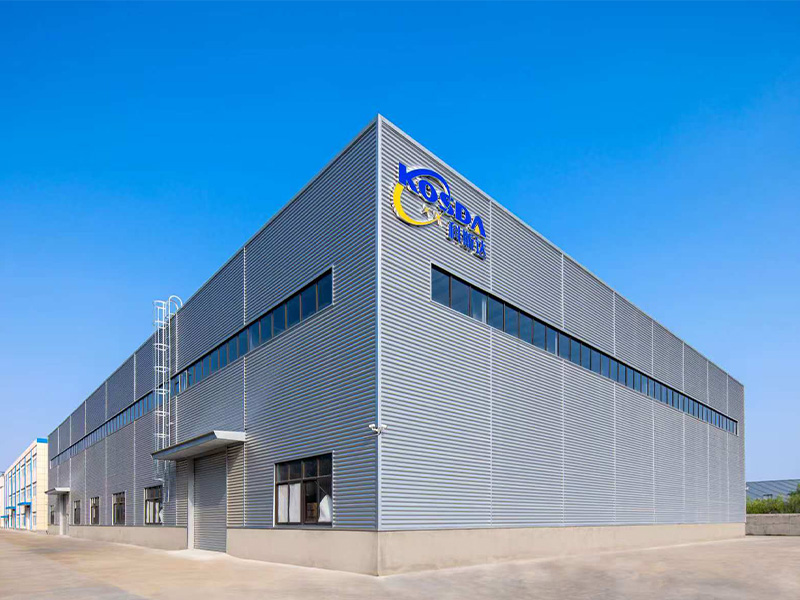 Modern Green And Environmentally Friendly Paper Product Manufacturer
 -
Products

-
News

 English
 French
 Español
 German

Industry News
Biodegradable Tableware Guide: Paper Plates, Cups, Bowls and Food Packaging
Content
- 1 What Does Biodegradable Really Mean for Paper Products?
- 2 Biodegradable vs Compostable: Key Differences Buyers Should Know
- 3 Why Biodegradable Paper Products Matter for Food Service and the Environment
- 4 Biodegradable Materials and Structures: How Paper Plates and Cups Are Made
- 5 The Biodegradable Product Range: Plates, Cups, Bowls, Napkins and More
- 6 How to Choose Biodegradable Products for Different Business Scenarios
- 7 Working with a Biodegradable Paper Products Manufacturer
- 8 Biodegradable Paper Tableware FAQ
- 9 Final Thoughts: Building a Responsible Biodegradable Tableware Program
What Does Biodegradable Really Mean for Paper Products?
Biodegradable is one of the most used terms in modern food service, but it is also one of the most misunderstood. In simple terms, a biodegradable material can be broken down by bacteria, fungi, or other microorganisms into carbon dioxide, water, and biomass under natural conditions. For paper plates, cups, bowls, and food containers, biodegradable means the product will not remain in a landfill for centuries. The speed and completeness of that breakdown depend on the material structure, the presence of coatings, the temperature, moisture, and oxygen levels around the product.
In a B2B context, this definition carries commercial weight. When you source biodegradable tableware from a manufacturer or supplier, you are not just choosing a material; you are deciding how your packaging behaves after disposal. Buyers who understand the science behind biodegradation can avoid vague marketing claims, choose the right substrate, and confidently explain the value to their customers. This is why we focus on practical definitions, measurable standards, and realistic performance when discussing biodegradable cups, paper plates, and related products.
Microorganisms are the engines of biodegradation. They consume the organic carbon in a material and convert it into simpler compounds. A truly biodegradable paper product is one that can be metabolised by these organisms within a reasonable time frame, under the conditions commonly found in soil, fresh water, or industrial composting. It is important to note that "reasonable time" is not an infinite window. In the food service and packaging world, standards bodies have defined specific time limits for biodegradability claims, so that buyers and regulators can compare products honestly.
The structure of the paper itself matters tremendously. Uncoated kraft paper can absorb moisture and allow microbes to access the cellulose fibres quickly. Coated paper, by contrast, behaves differently depending on the coating material. Some coatings, such as traditional plastic polyethylene (PE), can slow or prevent biodegradation entirely. Others, such as water-based acrylics, PLA (polylactic acid), or other bio-based coatings, may still allow the underlying paper to break down under the right conditions. This is why a paper cup or bowl can be labelled biodegradable in one formulation and non-biodegradable in another.
There is also an important difference between biodegradation in an industrial facility and biodegradation in the environment. A paper cup that biodegrades in a controlled composting plant may not break down as quickly in a marine setting. As a wholesale buyer or brand owner, you need to decide which end-of-life scenario you are designing for. That decision will guide whether you request compostable certification, home compostability, or simple marine-biodegradable paper, and it will affect the cost structure of your product range.
Biodegradable vs Compostable: Key Differences Buyers Should Know
One of the first questions any procurement team asks is whether biodegradable and compostable mean the same thing. The answer is no. Compostable is a more specific and stricter term. A compostable product must break down into non-toxic components, support plant life, and disintegrate within a defined period under composting conditions. A biodegradable product may simply break down over time, but it does not necessarily meet the quality, safety, or time requirements of composting.
For example, a kraft paper plate without a plastic liner can be both biodegradable and compostable. It will break down in a backyard compost bin within a few weeks and release nutrients. A coated paper cup with a thin plastic lining may still be called biodegradable if the coating eventually fragments, but it may fail a formal compostability test because the plastic fragments remain visible. From a B2B sourcing perspective, compostable certification gives you a stronger guarantee for organic recycling, while biodegradable is a broader environmental claim.
There are also economic differences. Compostable paper products often require specialised coatings, certified raw materials, and more rigorous testing, which can increase the unit cost. Biodegradable products made from uncoated or water-based coated paper are usually more affordable and easier to source. Wholesalers and distributors need to balance price, certification, and the actual waste infrastructure available in their market. In some regions, industrial composting facilities are limited, which makes home-compostable or biodegradable tableware more practical.
| Feature | Biodegradable | Compostable |
|---|---|---|
| Definition | Breakdown by microorganisms into natural substances | Breakdown plus conversion into usable compost under set conditions |
| Time frame | Not always clearly defined, can be years | Clearly defined, usually weeks to months |
| Toxicity | No strict toxicity requirement | Must be non-toxic to plants and soil |
| Certification | May have no certification | Requires standards such as EN 13432, ASTM D6400 |
| Best for | General disposable packaging | Organic waste streams, food service, events |
Buyers often ask whether compostable products are always a better choice for their brand. The answer depends on your customer's behaviour and local waste systems. If your clients compost their food service waste, compostable paper cups and plates are an excellent match. If the local infrastructure has no separate organics collection, then high-quality biodegradable tableware may still improve the environmental profile of your business without adding complexity.
The language you use on your packaging should also be considered carefully. Saying a paper bowl is "compostable" when it has not been certified could create compliance risk. Saying it is "biodegradable" without supporting evidence may equally attract scrutiny. A reliable paper tableware manufacturer will provide test reports or certification documents so that your claims are defensible. This is particularly important when exporting to markets such as the European Union, where consumer protection and greenwashing regulations are becoming stricter.
Why Biodegradable Paper Products Matter for Food Service and the Environment
The food service industry relies heavily on single-use items, and that reliance has placed enormous pressure on the environment. Conventional plastic-lined paper cups and foam food containers can persist in nature for decades. By switching to biodegradable paper alternatives, restaurants, cafeterias, catering companies, and event organisers can reduce the long-term pollution potential of their daily operations. This is not merely an image exercise; it is a measurable improvement in waste management.
Biodegradable paper products also create a more circular supply chain. Paper fibre is renewable, and many manufacturers now use bamboo pulp, recycled pulp, or bagasse as raw materials. When these products enter a composting environment, they return carbon to the soil instead of locking it in a landfill. For businesses, this narrative aligns well with corporate sustainability targets, EcoVadis ratings, customer expectations, and even food safety regulations in certain countries.
There is another factor that is often overlooked: space in landfills is limited, and organic waste in landfills generates methane, a potent greenhouse gas. Biodegradable paper packaging that can be diverted to composting or anaerobic digestion reduces the amount of organic carbon packed into disposal sites. The environmental gain is therefore not only about litter; it is about improving how we manage waste as a society.
Let us look at a practical comparison of how different paper formulations break down in a controlled industrial composting environment.
The chart below shows the relative degradation performance of four material options after a 90-day composting cycle, based on typical industrial test observations.
This chart illustrates a clear hierarchy in biodegradation performance. Uncoated kraft paper demonstrates the highest level of biological breakdown in an industrial environment, reaching about 90 percent over a 90-day period. Water-based coated paper also performs strongly, achieving roughly 84 percent degradation, which makes it a very solid choice for products that need some grease or moisture resistance. PLA-coated paper remains biodegradable and degrades meaningfully, but the coating adds complexity to the process, pushing the degradation figure down to about 72 percent. The traditional PE-coated paper is dramatically slower, with only about 12 percent degradation under the same conditions.
The practical implication for buyers is clear. If your priority is maximum biodegradability, choose uncoated or water-based coated products. These materials are often easier to recycle as paper as well, and they do not require consumers to separate a plastic lining from the paper body. Many food service operators prefer this approach because it simplifies communication: the packaging looks like paper, behaves like paper in a composter, and can still handle moderate moisture and grease.
The quality of the pulp also influences the outcome. A high-quality kraft pulp plate with a pressed structure will hold food well and degrade predictably. Cheaper recycled fibre can introduce contaminants or produce a weaker board that may not survive contact with hot or oily foods. As a wholesale buyer, you should therefore evaluate more than the biodegradability label; you should review the raw material specification, coating type, and manufacturing process used by your paper tableware supplier.
Geographically, the waste treatment infrastructure will determine how quickly these benefits are realised. In markets with established industrial composting networks, biodegradable paper plates and cups can be processed into soil amendments. In other regions, the same products may end up in landfills, where biodegradation slows due to lack of oxygen. This does not make the product worse, but it does mean that you should choose claims and disposal instructions carefully to match your local conditions.
Retailers and food chains are becoming more conscious of this issue. A growing number of companies now request clear disposal labels on paper cups and food containers, because they want consumers to know whether to put the item in the recycling bin, the compost bin, or general waste. Suppliers who can provide this clarity have a competitive advantage. This is one reason why collaboration with a manufacturer that understands both materials and end-of-life behaviour is essential for a long-term procurement strategy.
The environmental gains multiply when biodegradable tableware is combined with good portion control. A business that uses the right plate size for each menu item and chooses biodegradable products made from renewable pulp can reduce both packaging weight and food waste. Sourcing teams should analyse the full serving process, from kitchen storage to outdoor disposal, before locking in a product specification.
The message for buyers is not to treat biodegradable as a single attribute but as a material performance indicator. It should be weighed together with grease resistance, heat resistance, mechanical strength, and cost. A well-balanced specification will give you a product that works in everyday service and still meets your sustainability commitments. Choosing a supplier that can customise size, shape, and coating gives you additional room to optimise that balance.
Biodegradable Materials and Structures: How Paper Plates and Cups Are Made
The term biodegradable is only as meaningful as the materials used to construct the product. In the paper tableware segment, there are three main components to consider: the fibrous base, the barrier coating, and the printing or decorative layer. Each has a direct impact on how quickly the finished item breaks down and whether it can be called biodegradable, compostable, or recyclable.
Most biodegradable paper plates and bowls are made from kraft paper, which is derived from wood pulp and is naturally brown. Kraft paper is known for its high strength and tear resistance, making it ideal for food service. It is also one of the easiest paper types for microbes to digest, because the cellulose structure is relatively open and free of heavy chemical additives. Suppliers can offer different thicknesses, from lightweight sheets for pastry bags to heavier boards for hot meal trays.
White paper is made from bleached pulp. It gives a cleaner, more premium appearance for events, weddings, and catering. The bleaching process can affect the environmental footprint, but paper that uses an elemental chlorine-free or totally chlorine-free process can still be perfectly biodegradable. White paper plates are often paired with lace designs or printed patterns, which makes them popular in the celebration and banquet segment.
Coated art paper is another common substrate in this category. The base paper is printed with decorative graphics and then coated to provide water resistance. For biodegradable products, the coating must be water-based or biodegradable by design. This is the technology behind printed picnic tablecloths, waterproof party plates, and some gift wrapping papers. When the coating is applied as a thin film on the surface, the paper can still biodegrade in an industrial facility, leaving only small amounts of residual mineral matter.
| Material | Main characteristics | Typical products | Biodegradability profile |
|---|---|---|---|
| Kraft paper | Strong, natural brown colour, high fibre content | Plates, cups, bowls, takeout boxes | Very high in soil and compost |
| Pure white paper | Bleached, smooth, premium print surface | Wedding plates, white napkins, gift wrap | High if chlorine-free bleaching is used |
| Coated art paper | Printed with patterns, water-resistant surface | Party tablecloths, decorated plates, wrapping rolls | High with water-based biodegradable coating |
| Bamboo or bagasse pulp | Fast-growing fibres, good stiffness | Premium compostable plates and bowls | Very high, often certified compostable |
Another structural factor is the moulding process. Compression-moulded paper plates have a hard, smooth edge and increased rigidity. They are suitable for heavier foods and are common in the disposable party and catering segment. They can be made from kraft, bamboo, or bagasse pulp. In-mould colour and texture options allow brands to create a distinctive look for their biodegradable range without sacrificing performance.
Die-cut and folded structures are lighter and more economical. A die-cut paper plate or bowl is made by pressing a flat sheet into a shallow shape. This works well for cake plates, bread trays, and light snacks. The folding process adds structural ribs that strengthen the product without using extra material. These structures are highly efficient to transport and store, which reduces the carbon footprint per unit.
For cups, the side seam and bottom curl are critical. A biodegradable paper cup should use a water-based or PLA coating on the inside to prevent liquid from weakening the paper. Unlike PE-coated cups, these biodegradable cup variants can be processed in industrial composting plants. The quality of the coating seals is important because a small pinhole will cause the cup to leak and undermine the whole user experience.
Printing technology also matters. Most biodegradable paper products are printed with water-based or soy-based inks. These inks do not create toxic residues during biodegradation. They also provide sharper colours on the surface of kraft or white paper. If a supplier uses solvent-based inks, the product may still look similar but could fail compostability certification. Buyers should ask about the printing process as part of their supplier audit.
The Biodegradable Product Range: Plates, Cups, Bowls, Napkins and More
When a buyer or distributor begins exploring biodegradable food service products, the first step is usually to map out the full range. The most common categories are paper plates, paper cups, paper bowls, food containers, napkins, tablecloths, and wrapping paper. A manufacturer with a broad catalogue makes it possible to create a completely biodegradable disposable range under one brand system.
Biodegradable Paper Plates
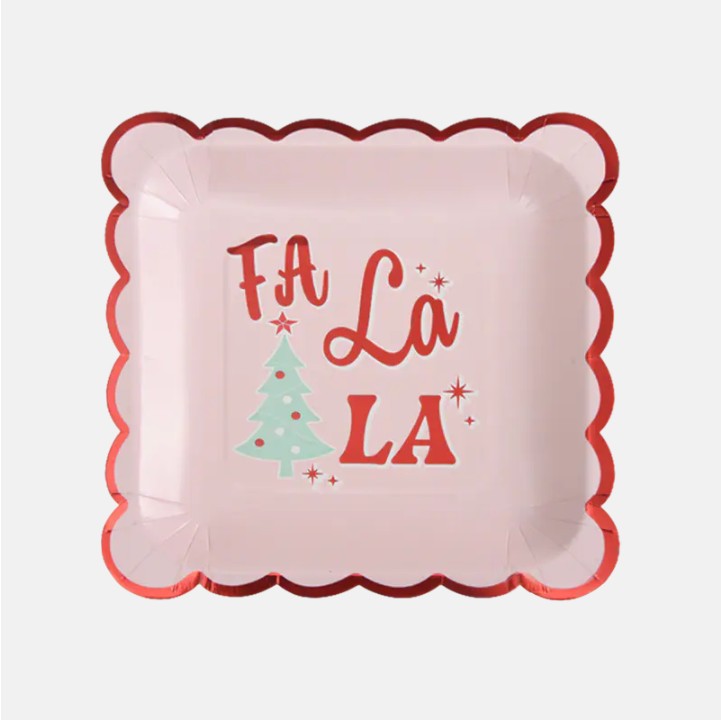
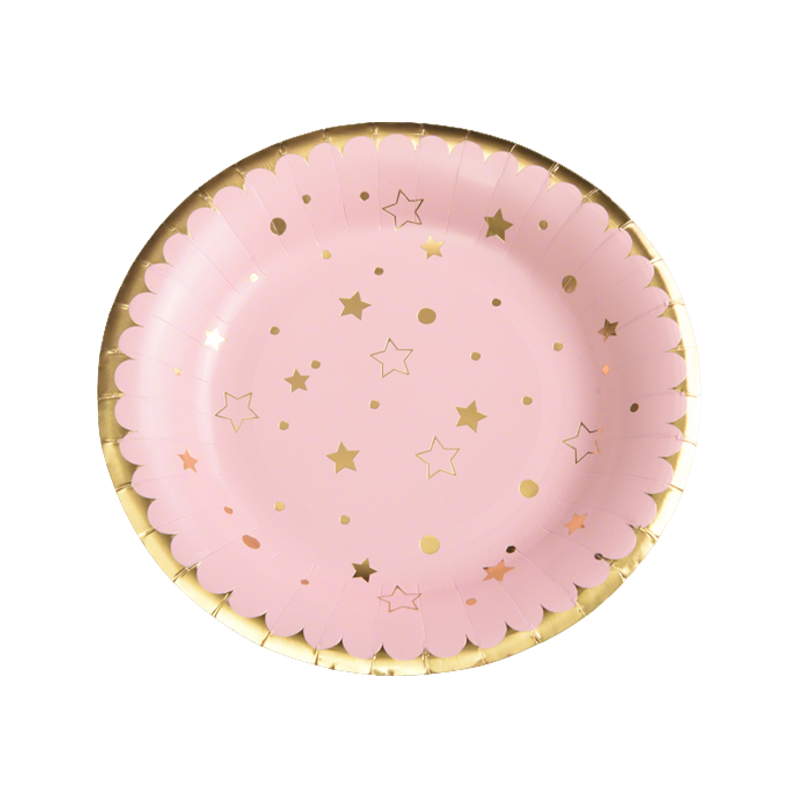
Paper plates are the largest category in disposable tableware. They come in round, oval, and square shapes, with sizes from 6 inches to 10.5 inches. Biodegradable paper plates can be made from kraft pulp, bamboo pulp, bagasse, or white pulp. The surface may be press-moulded for a scalloped edge or die-cut for a smooth rim. Plates are available in natural kraft, pure white, or with printed patterns such as lace edges, stars, or custom brand graphics. This flexibility makes them suitable for snacks, desserts, outdoor service, and formal events.
Buyers looking for an everyday product often select a 7-inch dessert plate or an 8-inch party plate. The 9-inch and 10.5-inch sizes work well for main courses and buffet service. When buying wholesale, the key parameters are diameter, board weight, coating type, and packaging quantity. A reliable supplier will provide stackable design details and edge strength data so that the plates can endure transport and handling without cracking.
From a biodegradability standpoint, the best paper plates are those without heavy plastic lamination. A simple water-based coating is enough to resist moisture for a typical meal service. Uncoated kraft plates are excellent for dry foods and bakery items. Several of our popular products, including the 8-inch kraft party plate, use this lightweight design to keep the product fully biodegradable while maintaining rigidity.
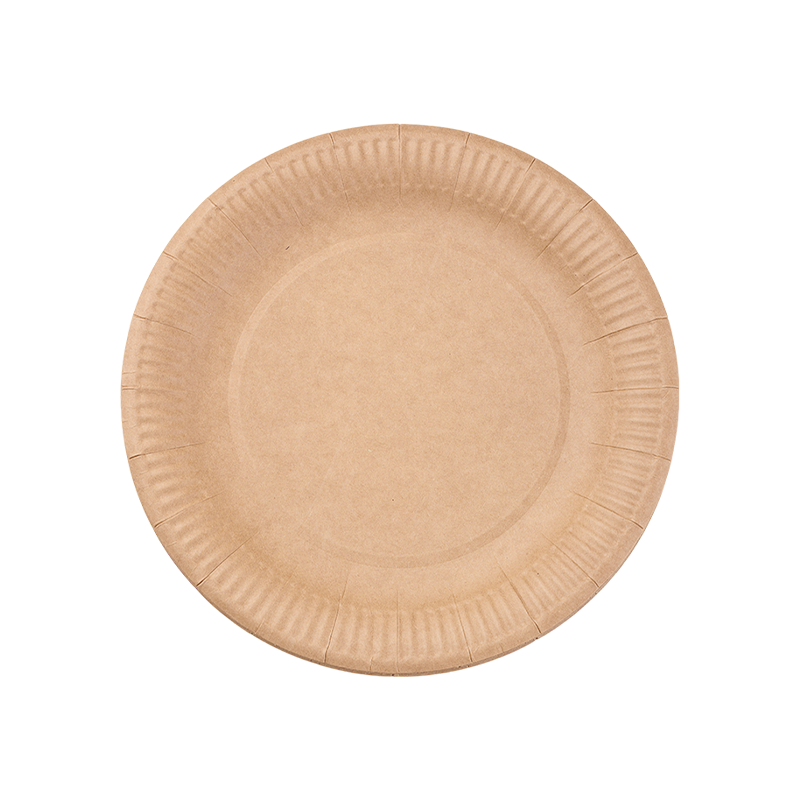 8-Inch Kraft Party Plate with Water-Based CoatingThis lightweight kraft plate stays fully biodegradable while resisting oil and moisture, making it a practical choice for parties and picnics after the discussion of uncoated versus coated plates.View Product →
Biodegradable Paper Cups
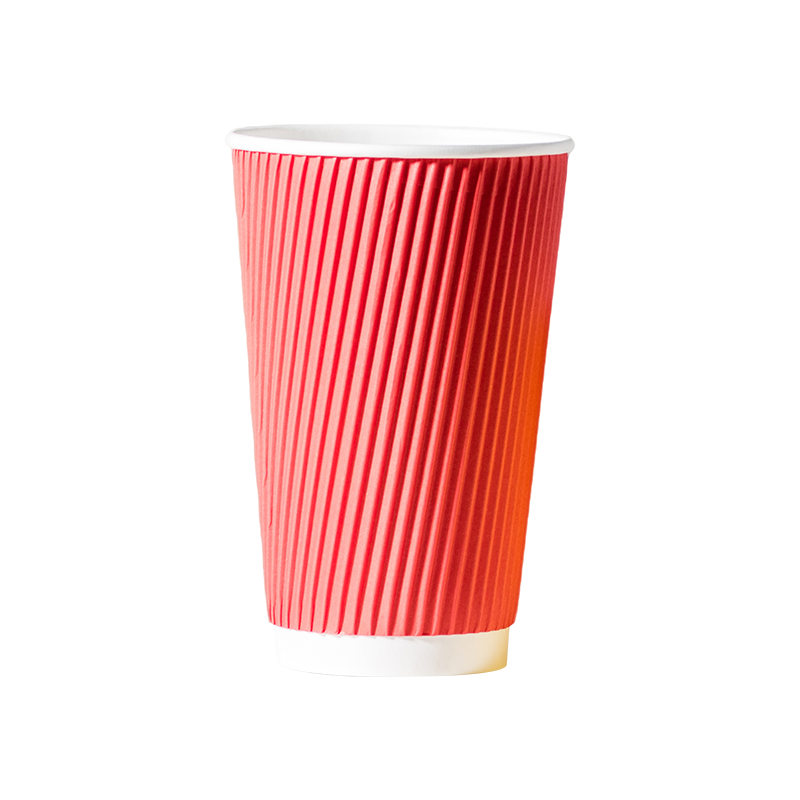
Paper cups are more complex than plates because they must contain liquid for extended periods. A biodegradable paper cup requires a barrier layer on the inside to prevent moisture from soaking through. The most environmentally friendly options use a water-based emulsion or PLA (polylactic acid) lining on the inner surface. These coatings are derived from renewable resources and have been tested for industrial compostability.
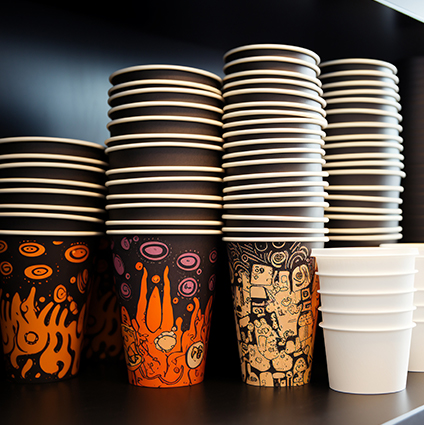
Kraft paper cups have become the symbol of eco-friendly coffee culture. Single-layer kraft cups are common in coffee shops, quick service restaurants, and self-serve beverage stations. They can be printed with custom logos and are available in several capacities. Some cups are designed for cold drinks while others use a thicker paper construction to provide insulation for hot beverages. A manufacturer can customise the cup diameter, height, taper, and print position to match your brand identity.
One point that often gets overlooked is the lid. If you supply a compostable paper cup but a plastic lid, the overall solution is no longer fully biodegradable. Buyers should consider paper lids or compostable plant-based lids to preserve the integrity of the product claim. We offer a range of cups where the product system is designed around full biodegradability, which simplifies disposal messaging for the end user.
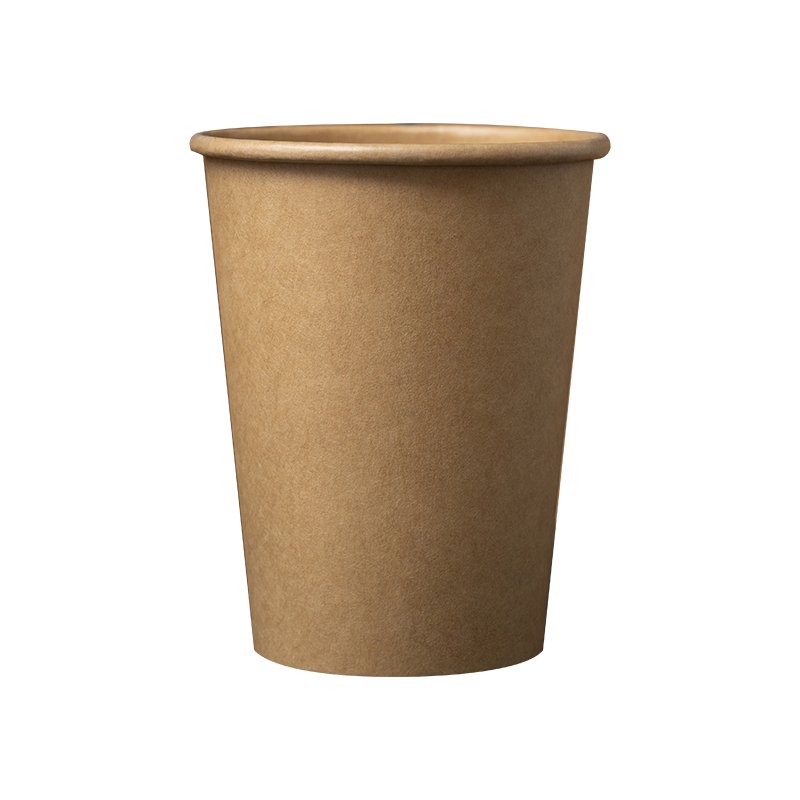 Customizable Single-Layer 320g Kraft Paper CupBuilt from thick 320g kraft paper, this cup offers insulation and a natural look. It pairs well with fully compostable lids, preserving a complete biodegradable system for hot drinks.View Product →
Biodegradable Paper Bowls and Food Containers
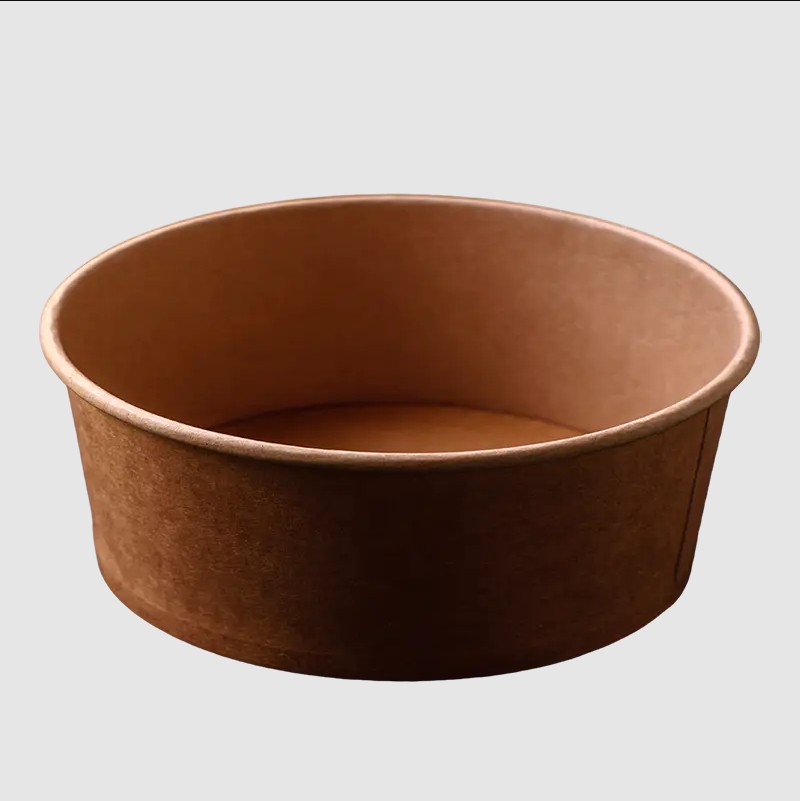
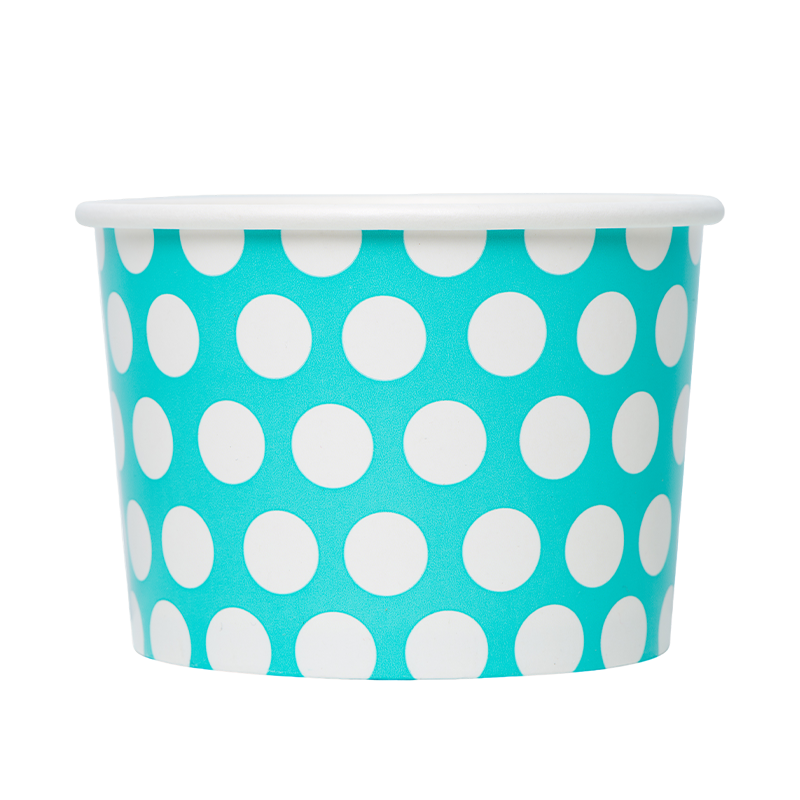
Bowls and food containers serve everything from salads to takeaway noodles. Biodegradable paper bowls are available in coated kraft or white board, with capacities that cover appetisers, main meals, desserts, and sharing platters. The side walls may be straight for stacking or tapered for a more stable dining feel. Paper food containers often include a hinged cover and locking tabs. These are widely used by food delivery platforms, street food vendors, and cold-chain catering services.
Design plays an important role in food containers. A container with a snug lid preserves heat and prevents leaking, while good venting allows steam to escape for fried items. The base must be sturdy enough to hold saucy dishes without flexing. Bagasse containers, which are made from sugarcane fibre, are another biodegradable option. They provide excellent rigidity and a natural appearance, with a slightly textured surface that grips food well.
For delivery-focused businesses, the total packaging weight matters because it affects shipping cost. A well-designed paper takeout box can reduce material volume without sacrificing strength. Our kraft takeout container, for example, is produced to handle both hot and cold meal items in a fully biodegradable format.
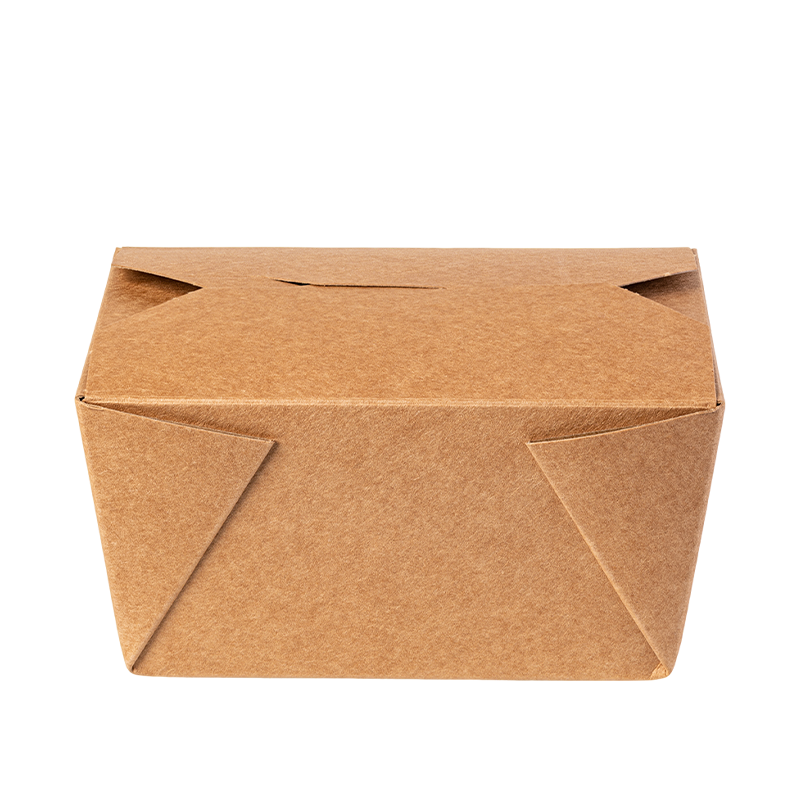 750ml Kraft Takeout Container with Reinforced Leakproof DesignThis fully biodegradable kraft container handles hot and cold meals, soups, and oily foods without leaks. Its microwave-safe and refrigerator-safe features suit delivery and reheating needs.View Product →
Napkins, Tablecloths, and Wrapping Paper
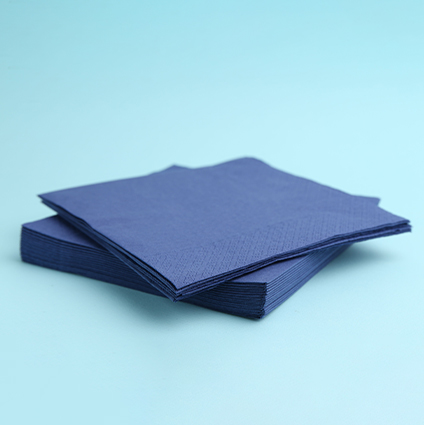
The party and catering sector also needs biodegradable napkins, tablecloths, and wrapping products that match the disposable plates and cups. Paper napkins should be soft, absorbent, and free of plastic binders. They come in square shapes for meals and shaped or folded forms for festive occasions such as Christmas celebrations. Napkins can be custom printed with monograms, event logos, or seasonal patterns.
Disposable paper tablecloths protect tables while adding colour to a buffet or outdoor setting. They are made from coated art paper or white paper and can be printed with waterproof patterns. Because the coating is biodegradable, the tablecloth can be disposed in the organics bin after the event. This is a growing request from event planners who want to reduce waste without giving up visual polish.
Wrapping paper is a less obvious but still relevant part of the biodegradable range. Blank or printed wrapping rolls are used by retailers, florists, and gift shops. A pure white wrapping paper roll has a clean, classic look; a star-pattern gift wrap roll offers a more playful aesthetic. Both can be made from thin kraft or coated paper and are entirely compatible with existing paper recycling and biodegradation streams.
How to Choose Biodegradable Products for Different Business Scenarios
Choosing the right biodegradable tableware depends on how and where the product will be used, who the end consumer is, and what waste collection system sits behind the site. A coffee shop has a different need from a banquet hall, and a delivery kitchen has a different need from a catering company. The best procurement strategy is therefore scenario-based rather than driven purely by price.
The table below gives a quick comparison of common use cases and the product characteristics that matter most for each. Use it as a decision checklist when you talk to a supplier.
| Business scenario | Typical products | Priority attributes | Suggested size or design |
|---|---|---|---|
| Quick service restaurant | Paper cups, burger wraps, food boxes | Grease resistance, heat retention, stackability | Kraft or coated board, 8–10 inch |
| Delivery kitchen | Takeout containers, cups with lids, napkins | Leak resistance, insulated walls, tamper options | Bagasse or kraft clamshell |
| Coffee shop / bakery | Paper cups, dessert plates, napkins | Smooth finish, custom print, sweat resistance | Kraft cups 8–16 oz, dessert plates 7 inch |
| Event catering | Dinner plates, serving trays, bowls | Rigidity, elegant appearance, even stacking | White or lace edge, 9–10.5 inch |
| Weddings and banquets | White plates, decorated napkins, tablecloths | Premium look, waterproof surface, custom logo | Oval or round, scalloped edge |
| Street food / food truck | Serving trays, portion cups, wraps | Compactness, low cost, quick assembly | Die-cut trays, mini bowls |
Read the list above carefully and you will notice a common theme: the structural quality of the product determines whether it actually works in the field. A plate that fails under hot sauce or a cup that leaks after ten minutes creates waste and cost even if the material is biodegradable. The design must be matched to the portion size, the serving temperature, and the length of time the food remains in the container.
In addition to the physical performance, consider the supply chain. A distributor should check the lead time, container loading quantity, and whether the manufacturer can hold stock. Some biodegradable products are more compact than others. A tapered cup nests tightly; a scalloped plate may take more space. The total carton dimensions affect both freight cost and storage space in your warehouse.
Minimum order quantities are another factor. Factories often require a base quantity for custom print runs, but many standard products are stocked for faster dispatch. For custom designs, you should ask for a pre-production sample that can be tested with hot liquid, oily food, and a reasonable stacking load before you commit to a full container. This is the stage where a manufacturer with strong engineering experience becomes your advantage.
Certification documents should also be requested early. If you target the European market, you may need EN 13432 certified products. For North America, ASTM D6400 or BPI certification often appears in buyer requests. A flexible supplier can quote with or without certification and can explain how the certificate maps to each specific SKU. This avoids the common mistake of assuming that all products in a factory are covered by a single certificate.
Finally, think about brand communication. A biodegradable product is a silent brand ambassador. The surface can display your logo, disposal instructions, or a short note about the eco-friendly material. Many restaurants and retailers use this space to tell a simple story about their commitment to the environment. That message is more credible when the supplier can provide transparent material data and support your sustainability reporting.
Working with a Biodegradable Paper Products Manufacturer
For importers, wholesalers, and private-label brands, the relationship with a paper tableware manufacturer defines the quality, cost, and reliability of the entire range. A good manufacturer does not simply produce standard products; it helps you navigate material selection, custom design, certification, packaging, and export logistics. This is especially true when the goal is to build a complete biodegradable product system for your customers.
Kosda New Material Technology is one such example. As an experienced manufacturer and supplier based in Ningbo, China, we specialise in kraft paper plates, white coated paper cups, paper bowls, food containers, napkins, disposable tablecloths, and wrapping paper. Our production includes custom printing, custom colours, and OEM design, which allows buyers to create a differentiated product line without working with several different factories.
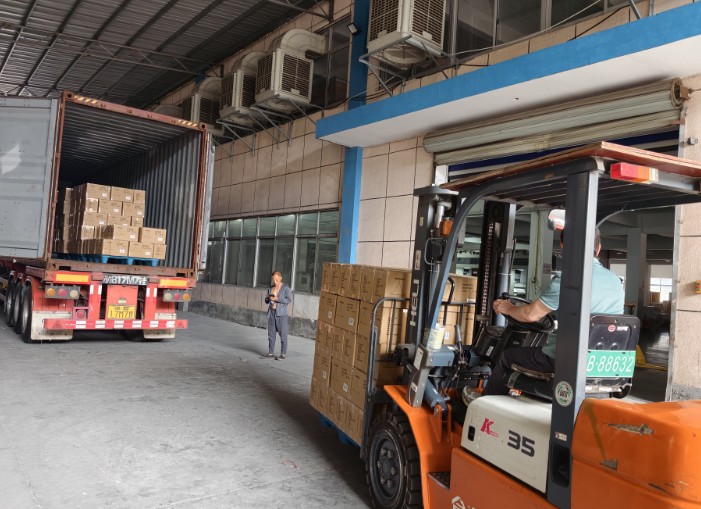
Because our facility is located close to one of the busiest export ports in the world, we are able to ship containers efficiently to markets across Europe, the Americas, and the Middle East. Our export team helps buyers arrange the correct documentation, inspect shipments, and repeat orders at a consistent specification. Many customers start with one product and later expand to a full set of biodegradable tableware.
When you work with a direct factory rather than a trading middleman, you gain better control over cost and communication. You can receive immediate answers about material thickness, coating formulas, printing plates, and pricing breaks. This is particularly useful for B2B buyers who need to quote their own customers swiftly. The partnership becomes a source of competitive strength.
A strong manufacturer also takes responsibility for continuous improvement. This means testing new coating materials, improving edge strength, reducing material usage, and developing products that meet rising global expectations for certified biodegradable and compostable tableware. As a buyer, you benefit from this engineering effort every time you add a new SKU to your catalogue.
Suppliers that are willing to collaborate and share technical data also help you enter regulated markets with confidence. Whether you require a basic biodegradable claim or a full industrial compostability certificate, a transparent factory can present the supporting evidence. The outcome is a win-win relationship: the brand builds consumer trust and the manufacturer secures long-term production volume.
If you are reviewing suppliers for biodegradable food service products, prepare a clear specification sheet that includes size, material, coating, print colours, packaging style, and target disposal pathway. Share that sheet with two or three factories and ask each one to propose a solution. You will quickly see which factories understand biodegradability and which are simply selling commodity paper goods. For more background on this topic, read our sustainable food packaging guide. If you have a project in mind, you can also contact our export team to discuss specifications and samples.
Biodegradable Paper Tableware FAQ
This section answers common questions from procurement managers, brand owners, and wholesale distributors who are evaluating biodegradable paper products for their offer.
How long does a biodegradable paper plate take to break down?A typical uncoated kraft paper plate can break down in a home compost pile within four to six weeks, depending on temperature and moisture. In an industrial composting facility, it may take only a few weeks. If the plate has a water-based or PLA coating, the process may take slightly longer, but it should still be complete within the certification window of eight to twelve weeks. Without the right conditions, such as in a dry or oxygen-poor environment, timeframes extend significantly. |
Is biodegradable the same as recyclable?No. Biodegradable refers to the breakdown of material by microorganisms, while recyclable refers to the ability to collect and process material into a new product. Some biodegradable paper products are also recyclable because the paper fibre can be recovered. Others, such as heavily coated or food-contaminated boxes, are better suited to composting than paper recycling. Separate collection systems are still required to make either pathway work in practice. |
Can biodegradable paper cups hold hot drinks?Yes. Biodegradable paper cups can be manufactured with a water-based or PLA inner lining that resists liquid and heat. The lining prevents the cup from softening when filled with coffee, tea, or other hot beverages. You should confirm the temperature rating with your supplier, because not all coated papers are designed for extended high-heat exposure. A single-layer kraft cup may work for warm drinks, while a double-wall or insulated cup is better for very hot filling. |
What does compostable certification prove?Compostable certification proves that a material has been tested to meet specific standards for biodegradation, disintegration, and eco-toxicity. For example, EN 13432 and ASTM D6400 require that the product degrades by at least 90 percent within a defined period, leaves no toxic residue, and supports plant growth. Certification is valuable because it gives measurable proof behind the biodegradable claim. Buyers should request the certificate for each specific product rather than relying on general factory statements. |
Can I customise the design of a biodegradable tableware range?Most paper tableware manufacturers offer customisation for colour, shape, size, print pattern, and packaging. Custom design can include your logo, brand message, or disposal instructions. For example, a coffee shop can order kraft cups with its own print, and a catering company can order white plates with a specific edge pattern. OEM and customisation are standard practice in the industry, but the order quantity and lead time will vary depending on the complexity of the design. |
Final Thoughts: Building a Responsible Biodegradable Tableware Program
Biodegradable paper products are a meaningful step towards reducing the environmental burden of food service packaging, but they are not a licence for careless consumption. The environmental benefit materialises only when the right material is matched with the right waste system and when the entire supply chain is managed responsibly. As a B2B buyer, you have the power to set that direction by choosing products that are genuinely biodegradable, certified where necessary, and suited to their end-of-life destination.
Work with a manufacturer that understands material science, compliance, and commercial reality. A partner that can offer a broad range of plates, cups, bowls, containers, napkins, and tablecloths under one programme will save you time and create a consistent customer experience. Customisation allows you to own the story while the factory manages the engineering. This is how a modern supplier relationship creates shared value.
Start with a clear pilot programme. Select one product category, test samples in real serving conditions, review the disposal response in your market, and measure the cost impact. Once the pilot proves itself, expand to the full range. This methodical approach reduces risk and gives your customers confidence that you have genuinely considered the product, not just the label.
As a manufacturer and supplier based in Ningbo, China, we at Kosda New Material Technology are ready to discuss your biodegradable product needs, supply options, and long-term cooperation plan. We believe that quality, transparency, and environmental responsibility must all move together. That is the only way to achieve a win-win outcome for suppliers, brands, customers, and the planet.
Your email address will not be published. Required fields are marked *


-
Modern Green And Environmentally Friendly Paper Product Manufacturer
-
Quick Links
Home About Us Products News Contact Us -
Product Categories
Paper Plates Paper Cup Paper Napkin Paper Food Container Disposable Paper Tablecloth Wrapping Paper Roll Paper Cutlery -
Contact Us
 Tel: +86-13967818265
0086-13646629749 E-mail: [email protected]
E-mail: [email protected]
E-mail: [email protected]
E-mail: [email protected]
 Whatsapp: 008613646629749
 Add: 1036 Cidong Avenue, Binhai Economic Development Zone, Ningbo City, Zhejiang Province, China
