
-
About Us
Why Choose Us?
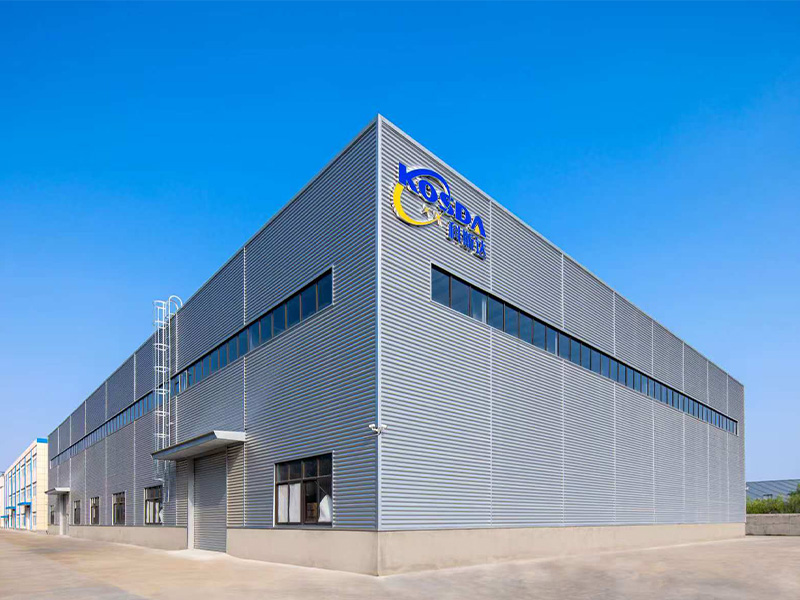
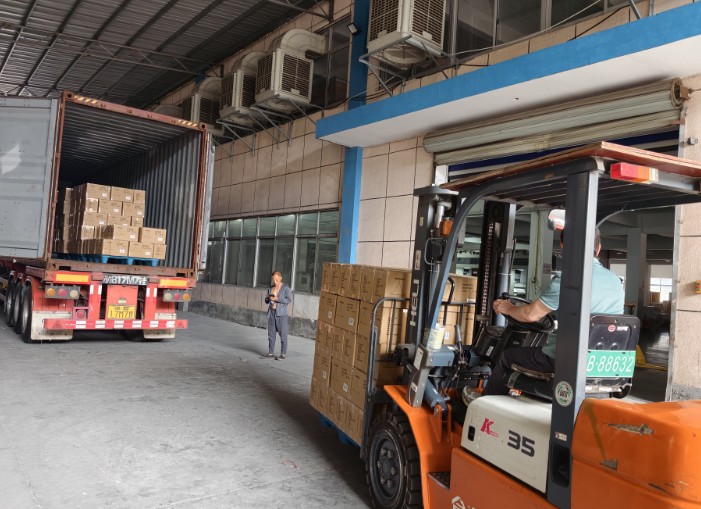
Ningbo Kosda New Material Technology Co., Ltd. was established in 2015 and is located in the Ningbo Binhai Economic Development Zone, China, which is the world's largest deep-water port in terms of throughput and a civilized city in China. It is a large modern production enterprise that integrates the design, research and development, production, and sales of paper products. The company adheres to the principle of quality development, advocates green and environmentally friendly products, and promotes the industrialization of high-tech. Starting from meeting customer needs, we provide high-quality and efficient services.
 Modern Green And Environmentally Friendly Paper Product Manufacturer
 -
Products

-
News





 English
 French
 Español
 German

Industry News
ASTM D6400 Compostable Standard Explained for Tableware Buyers and Distributors
When a city tightens its organic-waste rules, the effect lands on packaging buyers first: the specification sheet for every plate, bowl, and takeout container suddenly has to answer for where it goes after use. In North America, that answer usually begins with four letters and four numbers - ASTM D6400. The short conclusion for busy buyers is this: ASTM D6400 is the specification that defines when a plastic or plastic-containing product may truthfully be labeled compostable for municipal and industrial composting, and anyone purchasing disposable tableware at volume should treat it as a documentation requirement rather than a marketing phrase. As a paper tableware manufacturer and exporter, we answer questions about this standard every week from distributors, catering groups, and private-label brands, and the same knowledge gaps appear again and again. This guide explains what the standard measures, how it differs from ASTM D6868 for coated paper products, what certification does and does not promise, and how to verify a supplier's paperwork before you commit to a supply program.
ASTM D6400 converts the word compostable into a set of laboratory pass thresholds, which is exactly why procurement teams, not just marketing teams, need to understand it.
Content
- 1 What Is ASTM D6400? The Specification Behind Compostable Labels
- 2 ASTM D6400 Requirements: The Five Checks Behind a Compostable Pass
- 3 ASTM D6400 vs ASTM D6868: Which Standard Applies to Your Paper Tableware?
- 4 Industrial Composting vs Home Composting: Match the Claim to Real End-of-Life
- 5 Verifying ASTM D6400 Claims: A Six-Step Checklist for B2B Buyers
- 6 Why ASTM D6400 Matters for Paper Plate and Bowl Buyers
- 7 Application Scenarios and Selection Points for Compostable Paper Tableware
- 8 Storage, Handling, and End-of-Life Guidance for Compostable Tableware
- 9 Partnering With a Paper Tableware Manufacturer
- 10 Frequently Asked Questions About ASTM D6400
- 10.1 1. What does ASTM D6400 mean in simple terms?
- 10.2 2. Is ASTM D6400 certification mandatory for selling disposable tableware?
- 10.3 3. Does ASTM D6400 mean a product is home compostable?
- 10.4 4. My paper plates have a coating. Does ASTM D6400 or ASTM D6868 apply?
- 10.5 5. How long does an ASTM D6400 material take to break down?
- 10.6 6. Does ASTM D6400 guarantee breakdown in a landfill or the ocean?
- 10.7 7. How is ASTM D6400 related to third-party certification programs?
- 10.8 8. Can we customize printing and colors and still keep the compostable claim?
- 10.9 9. What should we ask a manufacturer before starting an OEM compostable program?
What Is ASTM D6400? The Specification Behind Compostable Labels
ASTM D6400 is published by ASTM International, one of the largest voluntary standards bodies in the world, and its full title says a great deal: Standard Specification for Labeling of Plastics Designed to be Aerobically Composted in Municipal or Industrial Facilities. Three parts of that title deserve attention before you read a single test report. Each one narrows the scope in a way that prevents very expensive misunderstandings later in a sourcing project.
- Plastics: the specification was written for plastic materials and for products made from plastics. When plastic appears as a coating or additive on a paper product, a companion specification, ASTM D6868, takes over - more on that below.
- Aerobically composted: the material must break down with oxygen present, which is how municipal and industrial composting facilities actually operate.
- Municipal or industrial facilities: the claim is tied to professional composting infrastructure, not to a backyard pile, a landfill cell, or an open environment.
It is equally important to understand what the document is not. D6400 is a specification, meaning it sets pass or fail criteria and references recognized test methods; it is not itself a test method, a certificate, or a license to print a logo. The standard has also been revised over the years, so certificates may reference editions such as D6400-21 or later revisions, and matching the cited edition to your market requirement is a sensible first check. Because the document is fundamentally about labeling, it exists to keep the word compostable honest on retail and foodservice packaging - which is precisely why regulators, municipal composting programs, and large retail chains refer to it in their own requirements.
Who relies on the specification in daily business? Certification bodies build their programs on it, municipal contracts cite it in acceptable-materials lists, retail chains copy its language into vendor scorecards, and testing laboratories align their study designs with its thresholds. For a manufacturer, the document functions as a shared language across the supply chain: when a buyer in one country and a factory in another both quote D6400, they should be discussing the same numbers. That shared language is exactly what breaks down when suppliers use vague phrases like eco-friendly or earth-friendly, which have no technical definition behind them at all.
ASTM D6400 is a labeling specification for products destined to industrial aerobic composting - knowing its exact scope prevents the most common misclaims before they happen.
ASTM D6400 Requirements: The Five Checks Behind a Compostable Pass
A product earns the right to carry a compostable claim under ASTM D6400 only after clearing five linked checks in a qualified laboratory. Each check looks at a different failure mode, from physical fragmentation to soil chemistry, and all of them must pass together. For procurement teams, understanding the five checks turns vague supplier conversations into specific, verifiable questions.
- Disintegration: after twelve weeks under controlled composting conditions, at least ninety percent of the sample must pass through a 2 mm sieve. In plain language, the article must physically fall apart, not merely weaken.
- Biodegradation: at least ninety percent of the organic carbon in the material must convert to carbon dioxide within 180 days, measured against appropriate controls. Fragmentation is not enough; microorganisms must actually metabolize the carbon.
- Compost quality and ecotoxicity: the finished compost, with the test material inside it, must not harm plant growth, with germination rate and biomass compared against control compost and ninety percent as the usual floor.
- Elemental and chemical limits: heavy metals and fluorine in the material must stay below defined thresholds so the resulting compost remains safe for agricultural use.
- Finished-product verification: testing must reflect the actual article as shipped - the right thickness, coating, printing, and adhesives - not merely an upstream resin sample.
Numbers are easier to negotiate with than adjectives. The bar chart below condenses the four most frequently cited pass thresholds from ASTM D6400 into a single view. Three of the four sit at a ninety percent floor, while the fourth caps acceptable residue at ten percent. If you remember nothing else from this guide, remembering those two figures will carry most supplier conversations. Use the chart as a quick reference whenever you open a test report for the first time.
ASTM D6400 Pass Thresholds at a Glance
The shape of the chart tells the story of the standard's philosophy. The three ninety percent floors - biodegradation, germination, and biomass - are deliberately high because the specification's authors wanted compostable to mean transformation, not partial breakdown. Ninety percent biodegradation within 180 days is measured as carbon converted to carbon dioxide under controlled, oxygen-rich conditions, and the comparison against blanks and controls is what keeps the number meaningful. The 180-day window matches the residence time of a well-run industrial composting operation, so a material that passes can realistically disappear within one processing cycle. The outlier on the chart is the residue cap: if more than ten percent of the sample remains on a 2 mm sieve after twelve weeks, disintegration fails regardless of how well the material biodegrades later. That sieve size is not arbitrary, because commercial compost is screened through equipment in that size range, and visible fragments in screened compost are what trigger complaints at composting facilities. The germination and biomass floors protect the end customer of compost - the farmer or landscaper - by proving the compost still supports healthy plant growth. Elemental limits work in the same direction, guarding against legacy contamination entering the soil stream. Notice also that the checks are cumulative; a product that biodegrades beautifully but fragments too slowly fails the specification as a whole. This is why a single data point from a supplier, such as a biodegradation percentage quoted alone, can never substitute for a complete report. When you review a dossier, confirm that every one of the five checks appears with dates, methods, and results. The table below condenses the same information into a format you can paste straight into an internal sourcing checklist.
| Check | Pass benchmark | Procurement question it answers |
|---|---|---|
| Disintegration | At least 90% through a 2 mm sieve within 12 weeks | Will this item fragment inside a real composting facility's screens? |
| Biodegradation | At least 90% conversion to CO2 within 180 days | Does the carbon actually metabolize, or does the item only fall apart? |
| Ecotoxicity | Germination rate and biomass at 90% or more of control compost | Is the finished compost still safe to sell and apply to land? |
| Elemental limits | Heavy metals and fluorine below specification thresholds | Could this item introduce legacy contamination into soil? |
| Finished-product verification | The tested article matches the shipped article, including coatings and inks | Does the certificate describe the exact SKU we are buying? |
Three ninety percent floors and one ten percent residue cap summarize the physics and chemistry of ASTM D6400 - if a supplier cannot speak to all five checks, the claim is not yet verifiable.
ASTM D6400 vs ASTM D6868: Which Standard Applies to Your Paper Tableware?
If you buy paper cups, paper plates, or paper bowls, this next distinction matters more than any other in the compostability family. ASTM D6400 was written for articles that are themselves plastic and that compost on their own, while ASTM D6868 was written for plastics used as coatings, liners, or additives bonded to compostable substrates such as paper. A paper plate with a compostable coating is the classic example: the fiber substrate provides structure, and the plastic layer is assessed for its contribution to compostability. A cold drink cup made entirely of a compostable bioplastic, by contrast, sits naturally under D6400. The confusion is understandable because both specifications share the same underlying logic of disintegration, biodegradation, and compost safety, and because certificates sometimes cite one standard when the buyer expected the other.
ASTM D6400 typically covers
|
ASTM D6868 typically covers
|
For a kraft paper bowl with a bio-based barrier coating, ask which specification the certificate references and whether the coating was included in the tested article. For an uncoated molded-fiber plate, ask how the manufacturer substantiates the claim, because fiber-based items follow their own assessment paths within the certification schemes. The practical rule for purchasing teams is simple: never accept a resin certificate as evidence for a finished cup or plate. The resin may have passed on its own in a laboratory, while the finished product - with its ink, embossing, and coating weight - is what actually enters the compost stream. This is also where an experienced supplier earns a place on your vendor list, because matching construction details to the correct specification is a manufacturing question as much as a compliance one.
If the plastic is the product, think ASTM D6400; if the plastic is a layer on paper or fiber, think ASTM D6868 - and always match the certificate to the finished article.
Industrial Composting vs Home Composting: Match the Claim to Real End-of-Life
The words in the standard's title do a lot of quiet work, and municipal or industrial is the phrase buyers most often overlook. Industrial composting facilities actively manage their piles: temperatures reach the high range that thermophilic microorganisms generate, moisture and oxygen are controlled, and material is turned and screened on a schedule. A backyard pile offers none of those guarantees, which is why a product can meet ASTM D6400 and still break down slowly in a home composter. Neither outcome is a defect of the product; the two environments are simply different, and the claim on the packaging should say which one the product was designed for.
Industrial composting (the ASTM D6400 environment)
|
Home composting (a different, milder environment)
|
For international programs, the European counterpart is EN 13432, which follows a similar philosophy of disintegration, biodegradation, and ecotoxicity thresholds and is often the reference point when buyers ship into European markets. Many certification schemes recognize the overlap between the two frameworks, but recognition is program-specific, so ask rather than assume. One more boundary is worth stating clearly: ASTM D6400 says nothing about landfill, soil burial, or marine environments. A certified item that ends up sealed inside a landfill will not deliver its designed benefit, which is why the strongest compostable programs pair certified products with collection infrastructure, staff training, and clear on-pack instructions for end users.
Buy for the waste stream your customer actually has - an industrially compostable plate sent to landfill provides none of the promised end-of-life benefit.
Verifying ASTM D6400 Claims: A Six-Step Checklist for B2B Buyers
A common and expensive misunderstanding hides in the phrase ASTM D6400 certified. The standard itself is a document published by ASTM International; it does not certify anything. Testing is performed by qualified laboratories, and third-party certification bodies - BPI is the most familiar example in North America - license the use of their logos to products that pass. That separation is healthy, but it creates a chain of documents in which a weak link can hide, especially when customization is involved. When we review paperwork internally before quoting a compostable-format program, we use the same six-step sequence we recommend to our buyers:
- Ask exactly which document is being provided: a resin data sheet, a laboratory report, and a finished-product certificate are three different things.
- Check that the finished product is named - dimensions, coating description, and printing - and that it matches the SKU on your purchase order.
- Check the laboratory: the report should identify the facility and the methods used for disintegration, biodegradation, and ecotoxicity.
- Verify any third-party logo separately through the certifier's public directory rather than trusting the artwork alone.
- Review custom changes: a new ink system, a heavier coating, or a different adhesive can take the construction outside the certified scope.
- Confirm the end-of-life requirement in your market: industrial composting access, collection rules, and any local labeling regulations.
Step five deserves special emphasis for private-label programs. It is entirely possible to start with a certified base item and lose the claim by changing a decoration process, which is why we treat artwork and construction changes as compliance events, not just design events. If you are mapping the wider landscape of materials and claims before choosing a direction, our sustainable food packaging buyer's guide walks through the vocabulary you will meet in supplier conversations. And when a distributor or retail partner hands you a packaging checklist, forward it to your manufacturer early - aligning on documentation before production protects both sides of the transaction and shortens the path to a signed contract.
The standard is not the certificate: verify the finished product, the laboratory, the certifier, and the effect of every custom change before you rely on a compostable claim.
Why ASTM D6400 Matters for Paper Plate and Bowl Buyers
For buyers of paper plates, bowls, and takeout containers, ASTM D6400 shows up in three practical places. First, procurement specifications: municipal contracts, university systems, and national cafe chains increasingly write compostability documentation directly into their supply agreements, and a wholesaler who cannot produce paperwork loses the line item. Second, risk control: relabeling stock, withdrawing a campaign, or answering a customer's public question about a false claim costs far more than asking for documents upfront. Third, program design: cities that collect food scraps want items that actually break down in their facilities, and fiber-based tableware with appropriate barrier coatings is often a natural fit for those collection programs. We see the pattern repeatedly in export orders - once one link in a distribution chain is asked for evidence, the requirement travels up the chain to the factory within weeks.
From our own order book, the items buyers most often shortlist for compost-forward programs share three traits: fiber-based construction, barrier performance suited to the menu, and formats that drop into existing kitchen workflows. Two formats appear again and again:
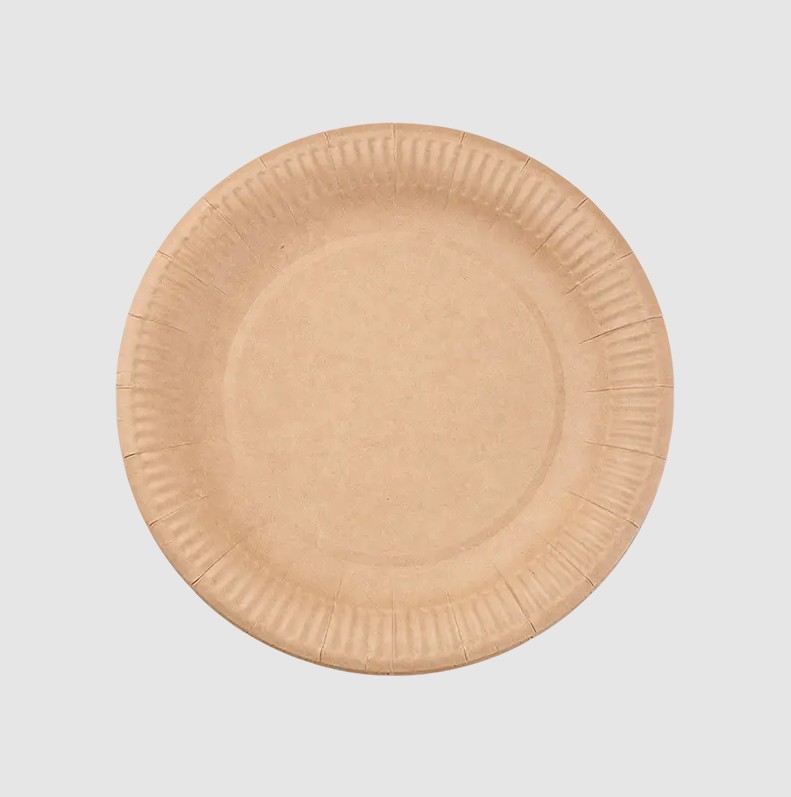
 7-Inch Biodegradable Kraft Dessert Paper PlateA lightweight kraft paper plate suited for desserts, fruit, and snacks at parties and events. It fits the fiber-based, menu-appropriate formats buyers repeatedly shortlist for compost-forward disposable programs.View Product →
 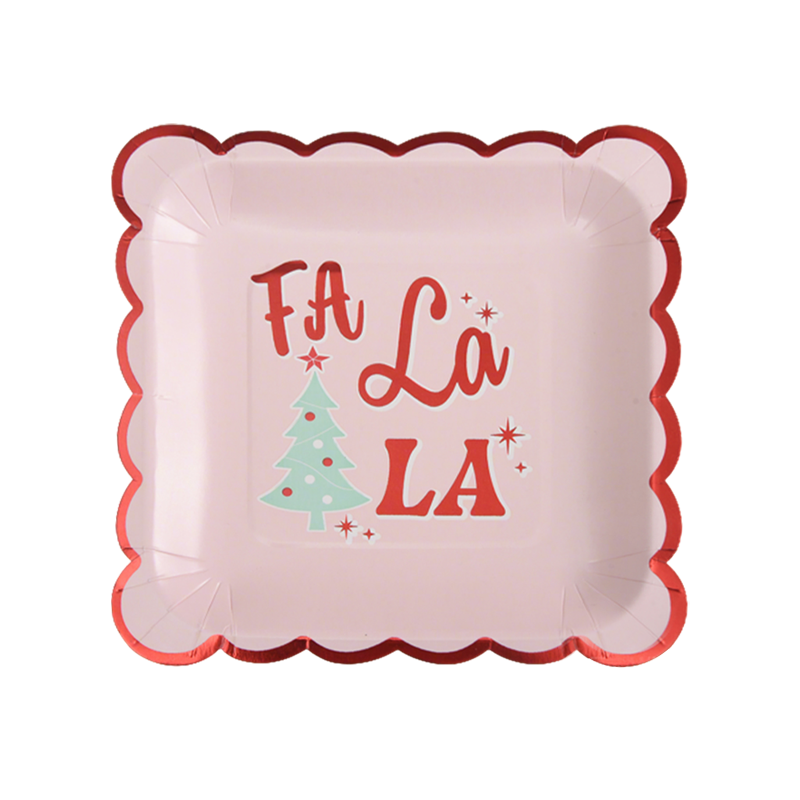 6-Inch Compostable Square Disposable PlateA thickened 400gsm compostable square plate with customizable colors, patterns, and sizes for catering service. It complements the round plate as a frequently ordered format that drops into existing kitchen workflows.View Product →
Both formats illustrate the same sourcing logic: the base material and the coating system are chosen together, and the documentation follows the finished construction rather than the raw material. When a buyer brings us the target market's rules at the quotation stage, we can flag which construction details will need verification before tooling and printing begin - a short conversation early that prevents a costly redesign after mass production has started.
Compostability documentation is now a line item in sourcing decisions, and fiber-based formats with verified coatings are the practical entry point for most foodservice programs.
Application Scenarios and Selection Points for Compostable Paper Tableware
Different service occasions stress different properties, and a schedule that works for a bakery can fail at a festival. The table below maps common B2B scenarios to the product directions we suggest discussing with your manufacturer, plus the verification point that most often gets skipped in first-time programs. Treat the third column as a conversation starter with your supplier rather than a finished requirement, because the right answer depends on menu, logistics, and the waste stream available on site.
| Scenario | What to specify | What to verify |
|---|---|---|
| Coffee and bakery takeaway | Small kraft plates and dessert bowls with fitted lids | Coating performance against oils and moisture |
| Catering and banquets | Larger round and oval plates, lace-edge formats for presentation | Load strength and cut resistance at the table |
| Festivals and outdoor events | 10-inch-plus serving plates and sturdy square formats | Stack strength in bulk cartons and wet-weather handling |
| Grocery delis and food courts | Takeout containers and portion bowls | Grease resistance and lid compatibility in delivery bags |
| Corporate and university cafeterias | Mixed sizes standardized across serving stations | Program-wide documentation and consistent SKUs across reorders |
Sizes deserve a quick reference too, because portioning drives both food cost and the composting footprint of every service:
Desserts, sides, and tasting portions 7-inch round
Dessert plates and small mains 9-inch round
Standard dinner service 10.5-inch serving
Platters and shared plates for outdoor service
One selection point sits above the others for compostable programs: any decoration must be specified as part of the certified construction. Inks, coating weights, and embossing depth all live inside the tested article, so a private-label design should be reviewed against the base item's documentation before mass production. We handle this routinely for OEM clients by freezing a construction sheet - substrate, coating, ink system, and dimensions - that travels with the order from sampling to shipment, so the certificate in your audit file and the carton on your dock never disagree.
Match the format to the occasion, but freeze the construction details early, because every decoration choice lives inside the compostability claim.
Storage, Handling, and End-of-Life Guidance for Compostable Tableware
Compostable and biodegradable tableware is engineered to break down at end-of-life, which means its storage life and handling rules deserve slightly more respect than conventional coated products. None of the guidance below is complicated; it is mostly about keeping moisture and heat away from fiber before the product is used. Buyers who fold these habits into their warehouse instructions usually see fewer quality complaints and smoother composting-facility relationships over time.
- Store cases sealed, off the floor, and away from steam lines, dish machines, and oven exhaust, because humidity and heat are the two enemies of paper strength.
- Rotate stock first-in, first-out, and avoid ordering beyond a realistic usage window, especially in humid coastal climates.
- Do not load hot, wet, or oily food beyond the format's design; a plate certified for a composting program is still a plate with mechanical limits at service, and reheating behavior should be confirmed with the supplier before menu changes.
- Keep the end-of-life message visible: if your market requires industrial composting, say so on packaging and training materials so used items enter the correct stream.
- Keep certified items out of plastic recycling bins, because food-soiled fiber is a contamination problem for recyclers.
- Check local acceptance before promoting claims: a municipal facility's accepted-items list is the final word in that city, whatever the certificate says.
These rules also protect your reputation with the composting facility itself. Operators remember buyers whose products behave well at their screens, and that quiet reputation supports every future program you launch in the same region.
Dry storage, honest end-of-life messaging, and local facility acceptance are the three habits that keep a compostable program running long after the purchase order is fulfilled.
Partnering With a Paper Tableware Manufacturer
All of the verification steps above run faster when your supplier behaves like a manufacturing partner rather than a catalog. Kosda Paper works from Ningbo, a coastal manufacturing hub with one of the world's busiest deep-water ports, and that location shapes how we serve overseas buyers: full-container export programs, predictable shipping windows, and documentation prepared for customs and customer audits alike. Our range spans paper plates, cups, bowls, napkins, food containers, wrapping paper, and disposable tablecloths, with OEM and private-label development at the center of the business rather than at its edge. Design, research, production, and sales sit under one roof, so questions about coatings, inks, and formats are answered by the people who run the machines.
We describe our model as cooperation first, and in practice that means three commitments. We invest in the specification stage - sharing construction options, material choices such as kraft, bamboo-pulp, and recycled-fiber papers, and the documentation path for your market - before asking for volume. We support pilot quantities so distributors and brand teams can test menu fit and customer response before committing to full programs; a compostable kraft dessert bowl, for example, is a frequent first SKU for private-label trials because it exercises coating, printing, and end-of-life questions in a single item:
 Compostable Unbleached Kraft Dessert BowlA natural kraft fiber bowl with food-safe direct contact for ice cream, sweets, and soups, plus moisture-resistant rigidity. A frequent first SKU for private-label pilots covering coating, printing, and end-of-life questions.View Product →
And we treat after-sale feedback as product development input: when a distributor reports how a format behaved in a real facility or a real banquet hall, that information flows back into our recommendations for the next order. Recent full-container export shipments in 2026 reflect what long-term buyers value most - stable quality across reorders, custom colors and printed artwork handled in-house, and a supplier who answers documentation questions before they become compliance problems. If you are building a compostable or eco-forward tableware program and want a manufacturer who shares both the risk and the upside of getting it right, contact our team to discuss specifications, samples, and a pilot plan that fits your season.
Win-win is a process, not a slogan: shared specifications, pilot-first orders, and feedback loops are how a factory and its partners grow a compostable program together.
Frequently Asked Questions About ASTM D6400
1. What does ASTM D6400 mean in simple terms?It is the specification that defines when a plastic product may be labeled compostable for municipal and industrial composting in North America. A qualifying product must fragment within twelve weeks, convert at least ninety percent of its carbon to CO2 within 180 days, and leave behind compost that supports healthy plant growth. |
2. Is ASTM D6400 certification mandatory for selling disposable tableware?No single law makes it universally mandatory, but many composting programs, retailers, and municipal contracts require it before a compostable claim can be made. Selling an item as compostable without documentation creates commercial and reputational risk, so most professional buyers treat it as a de facto requirement in North American markets. |
3. Does ASTM D6400 mean a product is home compostable?No. The standard describes industrial composting conditions, where temperature, moisture, and aeration are actively managed. Home composting is milder and slower, so backyard claims require separate standards and their own certification. |
4. My paper plates have a coating. Does ASTM D6400 or ASTM D6868 apply?When plastic appears as a coating, liner, or additive on a paper or fiber substrate, ASTM D6868 is the specification that addresses that construction, while D6400 covers articles that are themselves plastic. Ask your supplier which specification the certificate references and confirm that the coating was included in the tested article. |
5. How long does an ASTM D6400 material take to break down?The benchmarks are twelve weeks for disintegration and 180 days for biodegradation under controlled composting conditions. Real facilities vary with their process, so certified items are designed to fit within a typical industrial composting cycle rather than a fixed calendar promise in every location. |
6. Does ASTM D6400 guarantee breakdown in a landfill or the ocean?It does not. The specification addresses managed aerobic composting only, and a certified item buried in landfill or floating in open water is outside the conditions the standard describes. That is why collection infrastructure and correct disposal messaging matter as much as the certificate itself. |
|
The standard is the technical benchmark, and certification bodies such as BPI evaluate products against it and license the use of their logos when testing passes. In supplier conversations, treat the standard as the yardstick and the certification logo as the license - each answers a different question. |
8. Can we customize printing and colors and still keep the compostable claim?Yes, but the construction must be reviewed as a whole, because inks, adhesives, and coating weights are all part of the tested article. Treat artwork changes as compliance events: freeze the construction, confirm the documentation still covers it, and re-verify whenever the change is material to the product. |
9. What should we ask a manufacturer before starting an OEM compostable program?Ask which document they provide for the finished product, which laboratory tested it, which edition of the standard is cited, whether third-party certification exists for the exact SKU, and how custom changes are handled. A manufacturer who answers these questions with construction sheets and named documents is ready to be a long-term partner rather than a one-order vendor. |
Most ASTM D6400 questions reduce to one discipline: match the claim, the construction, and the end-of-life stream - and get each match in writing before production begins.
Your email address will not be published. Required fields are marked *





-
Modern Green And Environmentally Friendly Paper Product Manufacturer
-
Quick Links
Home About Us Products News Contact Us -
Product Categories
Paper Plates Paper Cup Paper Napkin Paper Food Container Disposable Paper Tablecloth Wrapping Paper Roll Paper Cutlery -
Contact Us
 Tel: +86-13967818265
0086-13646629749 E-mail: [email protected]
E-mail: [email protected]
E-mail: [email protected]
E-mail: [email protected]
 Whatsapp: 008613646629749
 Add: 1036 Cidong Avenue, Binhai Economic Development Zone, Ningbo City, Zhejiang Province, China
