
-
About Us
Why Choose Us?
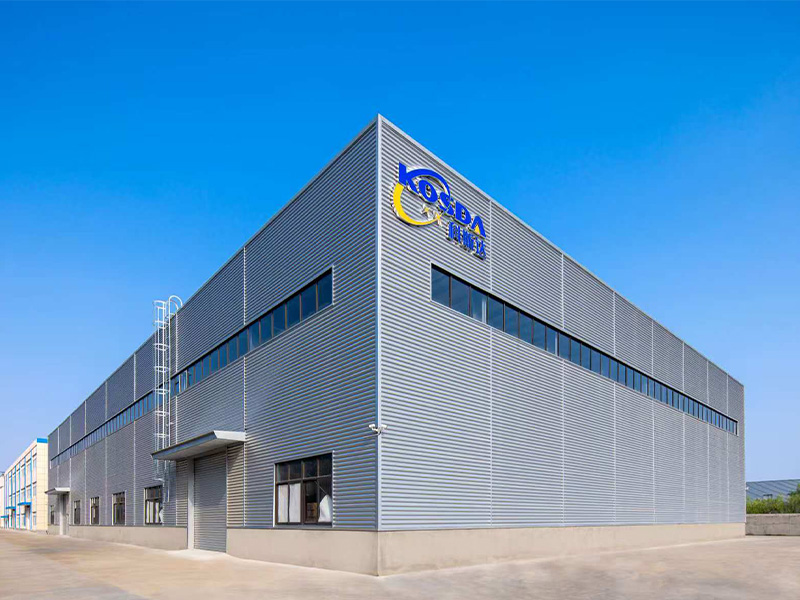
Ningbo Kosda New Material Technology Co., Ltd. was established in 2015 and is located in the Ningbo Binhai Economic Development Zone, China, which is the world's largest deep-water port in terms of throughput and a civilized city in China. It is a large modern production enterprise that integrates the design, research and development, production, and sales of paper products. The company adheres to the principle of quality development, advocates green and environmentally friendly products, and promotes the industrialization of high-tech. Starting from meeting customer needs, we provide high-quality and efficient services.
 Modern Green And Environmentally Friendly Paper Product Manufacturer
-
Products

-
News




 English
 French
 Español
 German


Industry News
Commercially Compostable Meaning: What B2B Paper Tableware Buyers Must Know
A buyer in Rotterdam opens a carton of paper plates and finds a small seedling logo printed inside the rim. Before signing a two-year supply agreement, she needs one answer: does that logo mean the plate will actually disappear inside a composting facility, or does it only mean the fibre came from responsibly managed forests? Those are two completely different claims, and confusing them is one of the most expensive mistakes in B2B paper tableware sourcing.
The commercially compostable meaning is narrower and far more technical than most product pages suggest. A commercially compostable item is one that breaks down into water, carbon dioxide, biomass and minerals, leaving no toxic residue and no visible fragments above 2 mm, within a defined time window of roughly 12 weeks, under the controlled heat, moisture, oxygen and microbial activity of an industrial composting facility. It is a testable, standards-bound claim, normally tied to EN 13432 in Europe or ASTM D6400 in North America, not a marketing adjective that a supplier can simply print on a box.
That definition carries immediate commercial consequences. It decides which coating can be used on a paper cup, which liner can sit inside a takeout container, whether a plate belongs in a compost stream or a landfill, and ultimately whether your customer can legally use a compostable bin in the markets you ship to. It also decides how much you pay per thousand units and how long your stock can sit in a humid warehouse before performance degrades.
This guide walks through the definition, the standards behind it, the coating and lining details that quietly determine compliance, the timelines you should quote to customers, the cost and MOQ realities of a compostable programme, and the storage rules that keep certified stock certified. It is written for importers, distributors, food service chains, event suppliers and private-label brands that buy paper plates, cups, bowls, napkins and gift wrap in container-load quantities.
Commercially compostable is a defined performance claim measured under industrial conditions, not a synonym for paper, recyclable or biodegradable.
Content
- 1 What the Commercially Compostable Meaning Really Covers
- 2 Timelines: How Long Commercially Compostable Tableware Actually Takes
- 3 Certifications and Standards a Buyer Should Request in Writing
- 4 Coatings and Linings: The Detail That Decides Compostability
- 5 Where Commercially Compostable Paper Tableware Earns Its Price
- 6 Cost, MOQ and Supply Chain: The Honest Numbers
- 7 Storage, Handling and Maintenance of Compostable Stock
- 8 Choosing an OEM Paper Plate Manufacturer for a Compostable Programme
- 9 Frequently Asked Questions About Commercially Compostable Packaging
- 9.1 What is the commercially compostable meaning in one sentence?
- 9.2 Can a compostable paper plate go into a home compost bin?
- 9.3 Does a compostable paper cup need a plastic lid?
- 9.4 Is compostable tableware recyclable as well?
- 9.5 How much more does compostable paper tableware cost?
- 9.6 Can I custom print a compostable range with my own artwork?
- 9.7 How should I store compostable stock before shipment to my customers?
- 9.8 Which documents should accompany a compostable shipment?
What the Commercially Compostable Meaning Really Covers
Standards such as EN 13432 and ASTM D6400 do not test a single property. They test four things at once, and a product must pass all of them before it may carry a compostability mark. Understanding these four pillars is the fastest way to evaluate any supplier claim that lands in your inbox.
The Four Pillars of a Compostability Claim
- Disintegration: after 12 weeks in controlled composting conditions, no more than 10 percent of the original dry mass may fail to pass through a 2 mm sieve. In practice, this means the material must physically fall apart, not just soften.
- Biodegradation: at least 90 percent of the organic carbon in the material must be converted to carbon dioxide within six months, measured against a reference material.
- Ecotoxicity: the finished compost must support plant growth. A material that breaks down into something phytotoxic fails, even if it disintegrates perfectly.
- Chemical limits: heavy metals, fluorine and other regulated substances must stay below defined thresholds, and the packaging must contain a minimum organic content, usually around 50 percent by weight.
The fourth point is the one that catches paper tableware suppliers most often. A paper plate is normally more than 90 percent cellulose fibre, which is excellent. A paper cup, however, is fibre plus a lining plus a printed surface plus inks, and each of those additions is evaluated as part of the whole item. That is why the same base board can produce a certified plate and a non-certified cup.
What Commercially Compostable Does Not Mean
It does not mean the item will break down in a garden compost heap. Home composting runs at ambient temperatures, often 20 to 30 degrees Celsius, with irregular moisture and far lower microbial density. Many materials certified to EN 13432 need sustained temperatures above 55 degrees Celsius, which only an industrial windrow or in-vessel system reliably provides.
It does not mean the item degrades in a landfill either. Modern landfills are engineered to be dry and oxygen-poor specifically so that waste does not decompose quickly. A certified compostable plate buried in a landfill behaves much like a conventional one over a human timescale.
And it certainly does not mean "recyclable". Compostable linings and coatings can contaminate a paper recycling stream, and recycled paper fibre cannot be guaranteed compostable because of unknown inks and additives. Compostability and recyclability are two separate end-of-life routes, and a product should be assigned to one of them.
| Term | What it legally means | Backing standard | Typical mis-use in sourcing |
|---|---|---|---|
| Biodegradable | Breaks down by biological action, with no time limit or residue requirement | No single harmonised standard in most markets | Used as if it meant compostable; frequently unverifiable |
| Compostable | Breaks down in a composting environment; the time frame and environment must be stated | EN 13432, ASTM D6400, ISO 17088, AS 4736 | Claim made without stating home versus industrial conditions |
| Home compostable | Disintegrates and biodegrades at ambient garden temperatures | TÜV OK Compost HOME, AS 5810 | Assumed automatically when the word compostable appears |
| Commercially compostable | Meets all four pillars inside an industrial facility within about 12 weeks | EN 13432, ASTM D6400 | Applied to products whose lining was never tested as a whole item |
| Recyclable | Can be processed in an existing paper or board recovery stream | National fibre recovery schemes | Confused with compostable; compostable linings can disrupt repulping |
Ask for the certificate number and the tested article, not the material data sheet: certification applies to a finished product, not to a raw paper grade.
Timelines: How Long Commercially Compostable Tableware Actually Takes
Buyers rarely ask about weeks; they ask whether the item will "still be there" when the bin is emptied. That question deserves a numeric answer, because the gap between a kraft plate and a plastic-lined cup is not a nuance, it is roughly a factor of ten. Industrial composting facilities work within fixed retention windows, usually 4 to 12 weeks in the active phase plus curing, and any input that misses that window becomes contamination rather than feedstock. Facility operators therefore treat slow-degrading packaging as a cost, not a benefit, and several have started refusing mixed loads. The chart below compares typical disintegration times for the paper and plastic tableware items most commonly found in a food service or event waste stream. The figures are indicative ranges drawn from standard test conditions at around 55 to 60 degrees Celsius with maintained moisture and turning; real site performance shifts with feedstock mix, particle size and how much non-compostable material enters the same bin.
The first three bars cluster tightly between five and eleven weeks, and that clustering is the commercially useful part of the chart. It means a facility can accept a mixed load of kraft plates, water-based coated plates and PLA-lined cups without scheduling a separate, longer retention cycle for any of them. For a venue running a weekly collection, that consistency matters more than the absolute number, because collection contracts are priced on predictable throughput.
The fourth bar is where programmes collapse. A polyethylene-lined cup does not disintegrate within the twelve-week window; under test conditions it is still recognisably a cup after a year, and it survives the sieving stage that every certified facility performs. When PE-lined cups enter a compostable bin, the entire load can be downgraded or rejected, and the venue ends up paying landfill or incineration gate fees for material it believed it had diverted.
The fifth bar, a polypropylene plastic cup, is included for calibration rather than comparison. It shows that the PE problem is not an outlier caused by a bad batch; it is a structural property of the material. Neither polymer was designed to break down under biological attack, and no amount of turning, moisture or inoculant will change that within a commercially useful horizon.
Notice also how narrow the gap is between the uncoated kraft plate at five weeks and the PLA-lined cup at eleven. The popular assumption that paper is fast and bioplastic is slow is only half right. What really slows a load down is the barrier layer, and a water-based or dispersion coating on a paper plate can land within a week of the uncoated version. That is why coating selection, not base fibre selection, is the single most leveraged decision in a compostable tableware range.
A second reading of the chart is about particle size and product format. A flat plate presents a large surface area relative to its mass and disintegrates quickly. A deep cup with a rolled rim has more structural rigidity per gram, and its geometry protects the lining from microbial contact for longer. When you quote customer timelines, quote the worst-performing item in the bin, not the best. If a venue uses compostable plates but conventional cups, the cups set the effective retention time.
Facility operators also look at contamination rates rather than individual items. A load with 5 percent non-compostable material may still pass; a load with 15 percent will almost certainly be diverted. This is why mixed formats matter: one non-compliant component, repeated across thousands of servings, quietly pushes a whole waste contract out of compliance. Buyers who understand the chart tend to standardise on a single coating chemistry across plates, bowls and cups, even if that costs slightly more per unit, because it protects the diversion rate that the contract is actually measured on.
The coating on your cup, not the fibre in your plate, sets the practical retention time for an entire compostable waste stream.
Certifications and Standards a Buyer Should Request in Writing
Standards are regional, and a certificate valid in one market may carry no weight in another. If you ship to Germany and to California from the same production run, you need documentation that satisfies both regulators and your customers' sustainability teams.
| Standard | Primary market | What it verifies | Common certificate mark |
|---|---|---|---|
| EN 13432 | European Union, UK | Disintegration, biodegradation, ecotoxicity and chemical limits for packaging | Seedling, DIN CERTCO, TÜV OK Compost |
| ASTM D6400 | United States, Canada | Compostability of plastic and paper-coated items in municipal and industrial facilities | BPI Compostable |
| ISO 17088 | International | Compostability specification used as a reference across markets | Certifier-specific |
| AS 4736 | Australia, New Zealand | Compostability including a worm ecotoxicity test | AS 4736 seedling mark |
| AS 5810 | Australia, New Zealand | Home composting at ambient temperature | Home compostable mark |
Three Documents Worth Requesting Before You Place a Trial Order
- A certificate that names the finished product or product family, not merely the raw material or resin. Certificates should show the certificate number, the issuing body, the standard, and an expiry date.
- A heavy metals and migration test report for food contact, since compostability and food safety are separate requirements and both are usually demanded by retail buyers.
- A written declaration covering inks, adhesives and coatings, because a certified base paper becomes an uncertified product the moment a non-compliant print or glue is added.
Be cautious with suppliers who describe a product as "compostable material" rather than a certified article. In practice, the difference between a compostable resin and a certified finished cup is the difference between a raw ingredient and a finished food-contact product, and only the second can be submitted to a tender.
A valid certificate names the finished SKU and carries an expiry date; anything less is a material claim dressed up as a product certification.
Coatings and Linings: The Detail That Decides Compostability
Paper alone is compostable almost by default. The problem is that a paper plate holding a slice of cake, or a paper cup holding hot coffee, needs a barrier. That barrier is where compostability is won or lost, and it is also where suppliers are most tempted to stay vague in their specification sheets.
- Water-based dispersion coating
Applied as a thin film, it repels grease and moisture while remaining compatible with EN 13432 testing when the full formulation is verified. It is the most common route for compostable plates and food containers. - PLA film lining
Polylactic acid is industrially compostable and widely certified, but it needs the higher temperatures of a commercial facility. Suitable for cups and bowls, and increasingly used in takeout containers. - Silicone and wax barriers
Wax performs well for cold and ambient items, and silicone coatings are effective for baking and freezer formats. Both need item-level verification rather than assumption. - Polyethylene extrusion coating
Cheap, robust and heat-sealable, but it will not disintegrate in a composting facility. A PE-lined cup fails the 2 mm sieve test regardless of how good the paper is.
Matching the Barrier to the Application
| Product format | Working barrier | Watch-outs |
|---|---|---|
| Cold dessert and snack plates | Uncoated kraft, light wax or water-based coating | Grease marks appear quickly at high fat load; test with the actual dessert |
| Hot beverage cups | Water-based coating or PLA lining with a rolled rim | Seam integrity under 90 degrees Celsius; lid compatibility |
| Takeout food containers | Water-based coating, PLA-lined board | Steam and oil migration; stacking strength when warm |
| Party and festival tableware | Water-based coated board with food-safe inks | Ink and varnish must be included in the compostability declaration |
| Gift wrap and napkins | Uncoated paper, water-based inks | Metallic foils and laminated finishes break compostability |
A practical rule for buyers: any finish that gives a mirror gloss, a metallic sheen or a plastic feel is a warning sign. Those effects are usually produced with films, foil transfer or solvent-based varnishes, and they rarely survive compostability testing as part of a finished item. Matte finishes and water-based inks are the safer design language for a compostable range.
Specify the coating and the ink system together with the base board, because compostability is certified on the finished article rather than on the paper alone.
Where Commercially Compostable Paper Tableware Earns Its Price
Compostable tableware is rarely the cheapest option per unit, so it has to earn its place. In practice it pays back in four situations: venues with a contractual diversion target, events with a public sustainability commitment, markets where compostable collection is already mandated, and brands whose packaging is part of the product story.
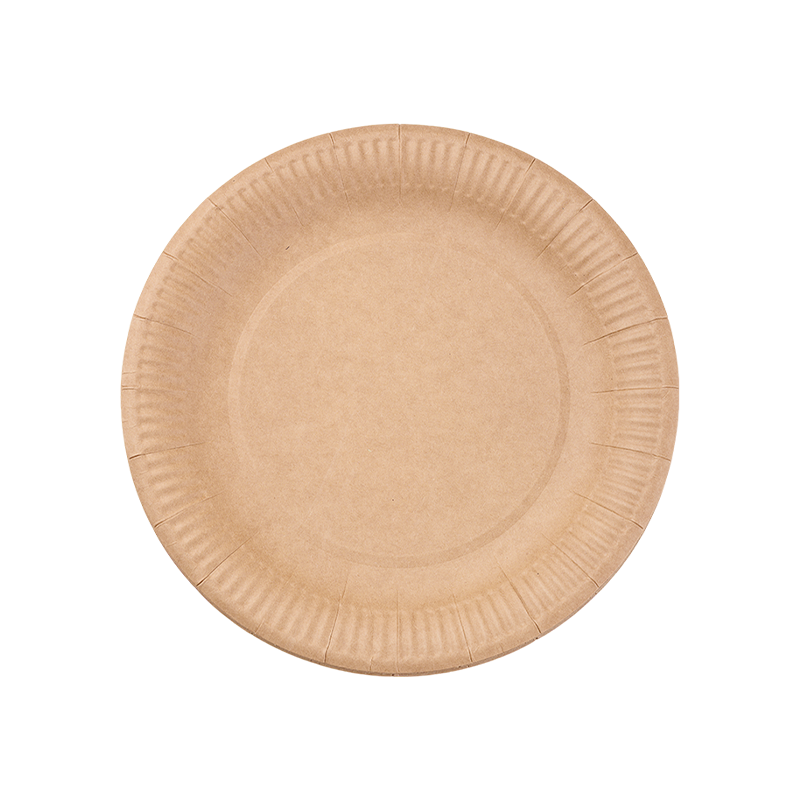 8-Inch Kraft Party Plate – Eco-FriendlyAn 8-Inch Kraft Party Plate – Eco-Friendly with a natural brown texture, oil and water resistant; environmentally friendly and biodegradable, combining aesthetics and ...View Product →
Food service and takeaway is the largest of those four. Coffee shops, bakeries and grab-and-go counters generate a waste stream that is mostly food-soiled paper and board, which is exactly the feedstock an industrial facility wants. In that setting, moving from a PE-lined cup to a water-based or PLA-lined format is a direct route to a cleaner bin, and it is usually paired with a switch to a fibre takeout container rather than a foam or plastic one.
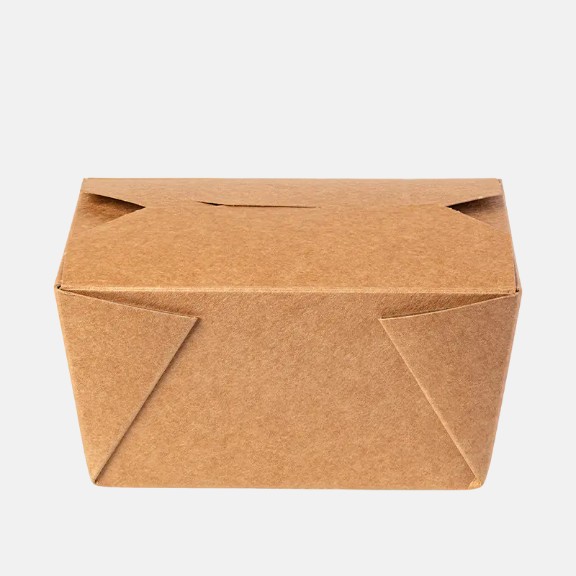
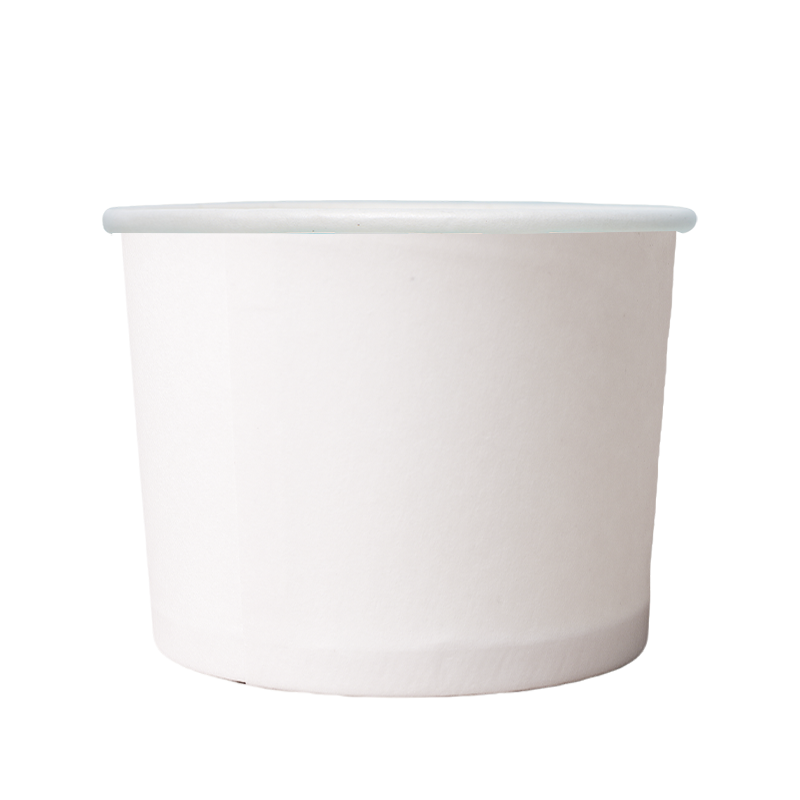 White Takeout Food ContainerThis 500ml/650ml white coated paper container is factory-direct manufactured for reliable takeaway food packaging. The eco-friendly material choice fully adheres to gr...View Product →
Festivals, weddings and corporate events are the second. Here the volume is concentrated into a few days, the waste is highly visible, and organisers often have a sponsor or municipality watching the outcome. A coherent range of coated paper plates, insulated cups, decorated paper napkins and matching tablecloth does more for the message than a single compostable item surrounded by conventional ones. Buyers in this segment often approach an OEM festival paper plate manufacturer for a coordinated set in one print theme, which simplifies procurement and keeps the visual identity consistent across plates, cups and napkins.
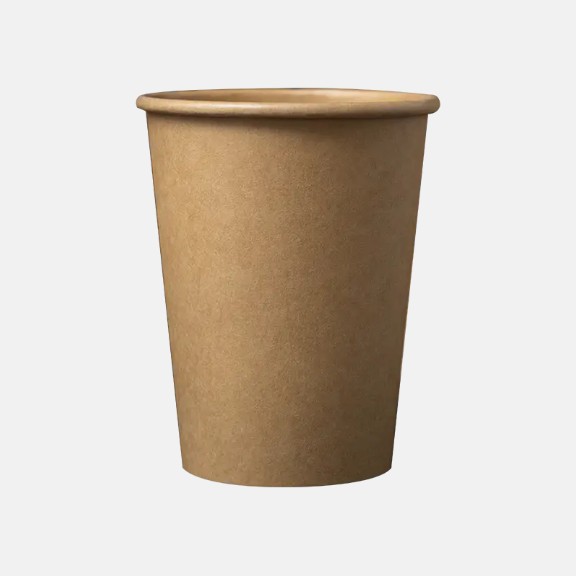
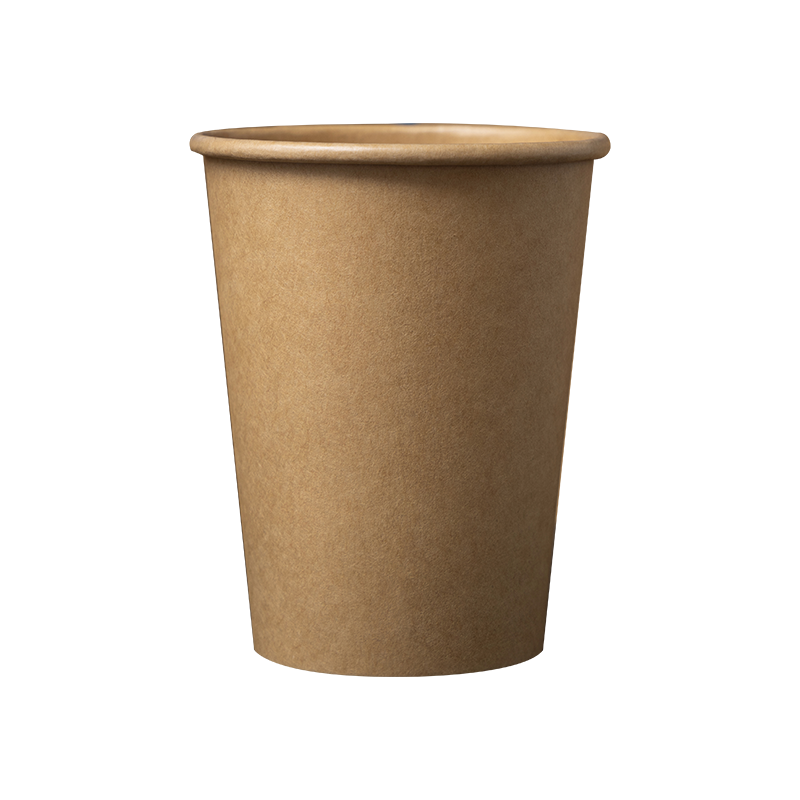 Customize single-layer Kraft Paper CupCrafted from substantial 320g single-layer kraft paper, this cup delivers remarkable durability with a minimalist natural aesthetic. The unbleached brown surface commu...View Product →
Private-label and gifting programmes are the third. A retailer that sells a compostable picnic set, a snack cup range or a gift wrap collection can substantiate a sustainability claim on the shelf, which tends to lift premium pricing. This is where a custom paper cup factory and a gift wrapping paper manufacturer have to cooperate on material choices, because the same paper grade that carries a clean print for a branded cup may be too dense to wrap crisply around a gift box.
The fourth situation is regulatory. Several European municipalities have moved from encouraging to requiring separated organic collection from commercial kitchens, and non-compliant packaging becomes a fine rather than a preference. Once that threshold is crossed, the question stops being whether compostable tableware is worth the premium, and becomes whether a supplier can deliver it consistently, in the right sizes, with documentation that survives an audit.
For buyers assembling a range, the practical list usually looks like this: a compostable party napkin manufacturer for square and shaped napkins, an OEM paper napkin source for printed formats, a custom dinner plate factory for 9 to 10.5 inch service plates, a custom snack cup manufacturer for small-format dessert and sampling cups, and a custom party goods gift wrap supplier for seasonal bundles. Consolidating those categories with one contract manufacturer reduces the number of declarations, test reports and print approvals you have to manage.
Compostable tableware pays back where waste is separated and visible; in a mixed bin with no collection, the same product is a cost with no return.
Cost, MOQ and Supply Chain: The Honest Numbers
Compostable tableware sits above conventional product on price, but the gap is smaller than most buyers expect once you compare like with like. The real cost risk is not the unit price, it is the cost of a re-run caused by a certification problem discovered after printing, or a rejected waste load caused by one non-compliant component in the range.
| Factor | Conventional PE-lined product | Compostable-certified product |
|---|---|---|
| Unit cost index | 100 | 120 to 160 depending on format and print |
| Barrier material | Extruded polyethylene, widely available | Water-based dispersion or PLA film, fewer mills |
| Print options | Broad; solvent inks and varnishes tolerated | Narrower; water-based inks and matte finishes preferred |
| Typical MOQ for custom print | Lower, because stock board is interchangeable | Higher on first run because board grades are dedicated |
| Lead time risk | Low; multiple mills can substitute | Moderate; certified board supply is more concentrated |
| Shelf life | Long, tolerant of humidity | Shorter; moisture and heat affect performance |
| Documentation burden | Minimal | Certificates, migration reports and declarations per SKU |
How to Structure a First Order Without Overcommitting
- Start with one or two hero SKUs, typically the plate and the cup, rather than a full range. Validate the certification paperwork before investing in print plates.
- Ask for the certificate covering the exact article and coating you intend to buy, and request a sample from the same production line rather than a laboratory sample.
- Fix the ink and varnish system in writing at the sampling stage, because a print change later can void the compostability declaration.
- Plan your second order before the first one ships. Compostable board supply is less fungible than conventional board, and a mid-season gap is harder to fill.
- Budget for storage conditions. A slightly higher unit price is far cheaper than a container of plates that absorbed humidity in a poorly ventilated warehouse.
For importers and wholesalers, the more strategic question is which supplier to build a multi-year relationship with. A paper tableware manufacturer that already runs kraft paper plates, coated paper cups, paper bowls, napkins and gift wrap on the same campus can align coatings across categories, which is exactly what keeps a waste stream compliant. It also means a single set of test reports covers more of your catalogue.
The true cost of compostable tableware is the cost of consistency, and consistency is cheaper to buy from one aligned manufacturer than to assemble from five.
Storage, Handling and Maintenance of Compostable Stock
Compostable paper behaves differently from PE-coated paper in a warehouse, and the difference becomes visible after about four to six weeks in a humid environment. Uncoated and water-based coated board absorbs moisture from the air, which softens the sheet, weakens the rim and, in cups, can affect seam integrity under hot liquid. Managing that is straightforward but it has to be deliberate.
| Item | Recommended storage | Signs of trouble |
|---|---|---|
| Kraft and coated paper plates | Dry pallet, 15 to 25 degrees Celsius, relative humidity below 60 percent, off the floor | Warped rims, limp plates, visible moisture rings |
| Water-based coated cups | Original carton kept sealed until use, away from external walls | Seam separation after hot fill, softened rim |
| PLA-lined cups and bowls | Below 30 degrees Celsius, out of direct sun; avoid long-term stock rotation | Film clouding, odour, blocked cups |
| Napkins and gift wrap | Dry, flat, wrapped; avoid compression under heavy cartons | Creasing, print rub, edge curl |
| Takeout containers | Sleeved and stacked within carton height limits | Corner cracking, loss of stacking strength |
Rotate on First-In-First-Out and Keep Shelf Life Visible
Print the production date on every carton, not just the pallet label, so warehouse staff can rotate without opening outer packaging. For compostable ranges, a practical shelf-life guideline is twelve months from production when stored correctly, and six months once cartons are opened and the product is exposed to kitchen humidity. Food service operators should be told this explicitly, because the habit of buying a year of stock in one order works against them here.
Transport is the second exposure point. A container crossing the tropics can experience condensation cycles that a domestic warehouse never produces. Desiccant bags in the container, a moisture barrier liner and a check of container seals before loading are inexpensive measures that protect a high-value certified load.
Certification survives the factory, but not a humid warehouse: treat moisture control as part of the product specification, not as a logistics detail.
Choosing an OEM Paper Plate Manufacturer for a Compostable Programme
Compostability is a specification, but delivering it at container scale is a manufacturing question. A supplier has to be able to hold a coating formula stable across millions of units, keep print quality consistent on a matte water-based surface, and manage a supply chain of certified board without substituting grades mid-order. That is a different competence from simply offering a compostable sample.
For B2B buyers, the most useful supplier profile is a factory that already runs the full tableware set on one site: kraft paper plates in multiple diameters, oval and square formats for party and banquet use, coated paper cups and bowls in single and double layer constructions, shaped and square napkins, takeout food containers, and wrapping paper rolls for gift and seasonal programmes. When those categories share coating chemistry and ink systems, one certification approach can cover an entire catalogue, and one print approval covers a coordinated seasonal theme.
The relationship also matters commercially. Compostable programmes need stable demand to justify dedicated board grades, and factories need predictable volume to invest in a certified line. That is why long-term cooperation and shared planning tend to produce better pricing than a one-off tender. A manufacturer that understands your seasonal peaks, your retail launch dates and your documentation requirements can plan production around them and share the efficiency back through price and lead time. In this category, cooperation is not a courtesy; it is the mechanism that makes the numbers work on both sides.
If you are evaluating formats, start with the application rather than the catalogue. Coffee service drives cup and liner selection. Takeaway drives container and bowl selection. Events drive plate diameter, napkin format and tablecloth matching. Retail gifting drives wrap and napkin sets under one print theme. Once those four streams are mapped, the SKU list usually shortens considerably, and the certification work becomes manageable.
| Request a quote or a sample set Send your format, size, coating preference, print artwork and target market so the correct certified construction can be recommended. Contact the team here. |
Background reading for paper cup buyers Understand cup construction and lining choices before specifying a compostable format. What does paper cup mean. |
Pick a manufacturer that can hold one coating and ink system across plates, cups, bowls, napkins and wrap, and treat them as a planning partner rather than a per-order vendor.
Frequently Asked Questions About Commercially Compostable Packaging
What is the commercially compostable meaning in one sentence?It means the finished product passes a recognised industrial compostability standard such as EN 13432 or ASTM D6400, disintegrating within around twelve weeks and biodegrading within six months in a commercial facility, while leaving compost that supports plant growth. |
Can a compostable paper plate go into a home compost bin?Not necessarily. Many materials certified for industrial composting need temperatures above 55 degrees Celsius to break down within a useful timeframe. If home composting matters for your market, look specifically for a home compostable certification such as TÜV OK Compost HOME or AS 5810. |
Does a compostable paper cup need a plastic lid?The cup and lid should be treated as one waste item. A conventional polystyrene or PP lid on a certified cup effectively introduces non-compostable material into the organic stream, so specify a fibre or certified lid alongside the cup. |
Is compostable tableware recyclable as well?Generally no. Compostable coatings and linings are designed for biological breakdown, not for repulping, and they can contaminate a paper recycling stream. Choose one end-of-life route per product and label it clearly for the consumer. |
How much more does compostable paper tableware cost?Expect roughly 20 to 60 percent above a conventional PE-lined equivalent at the unit level, depending on format, print complexity and volume. Part of that premium disappears when you account for the reduced documentation and sorting cost of running one aligned range instead of several. |
Can I custom print a compostable range with my own artwork?Yes, within the limits of the ink and varnish system declared in the certification. Water-based inks and matte finishes are the safest choice. Metallic foils, heavy gloss varnishes and laminated surfaces usually break the compostability claim and should be avoided. |
How should I store compostable stock before shipment to my customers?Keep it dry, off the floor, below 60 percent relative humidity and between 15 and 25 degrees Celsius. Rotate first-in-first-out, print production dates on cartons, and avoid buying more than twelve months of cover, because moisture uptake affects performance long before it affects appearance. |
Which documents should accompany a compostable shipment?A product-specific certificate naming the finished article, a food contact and heavy metals report, and a written declaration covering the coating, ink and adhesive used. Ask for the certificate number and expiry date so your customer's sustainability team can verify it independently. |
Every answer above comes back to the same discipline: verify the finished article, not the raw material, and manage the whole range as one system.
The commercially compostable meaning is ultimately a procurement filter. It tells you which items can enter an industrial composting stream and disintegrate within a facility's retention window, which items merely sound environmentally friendly, and which documents you need before a claim can be printed on a box or submitted to a tender. Used properly, it removes guesswork from a category where guesswork is expensive.
For importers, distributors and food service buyers, the workable approach is to standardise. Choose one coating chemistry, one ink system and one manufacturer that can supply plates, cups, bowls, napkins, containers and wrap under a single certification approach. Build the range around the applications that actually generate separated organic waste, keep storage conditions under control, and plan volumes with your supplier rather than negotiating each order from zero. Done that way, compostable tableware stops being a premium line item and becomes a dependable part of your catalogue, supported by documentation your customers can trust and a supply relationship that both sides can plan around.
Treat compostability as a documented specification across an aligned range, and the premium you pay buys compliance, credibility and a supply chain that does not have to be rebuilt every season.
Your email address will not be published. Required fields are marked *

-
Modern Green And Environmentally Friendly Paper Product Manufacturer
-
Quick Links
Home About Us Products News Contact Us -
Product Categories
Paper Plates Paper Cup Paper Napkin Paper Food Container Disposable Paper Tablecloth Wrapping Paper Roll Paper Cutlery -
Contact Us
 Tel: +86-13967818265
0086-13646629749 E-mail: [email protected]
E-mail: [email protected]
E-mail: [email protected]
 Whatsapp: 008613646629749
 Add: 1036 Cidong Avenue, Binhai Economic Development Zone, Ningbo City, Zhejiang Province, China
