
-
About Us
Why Choose Us?
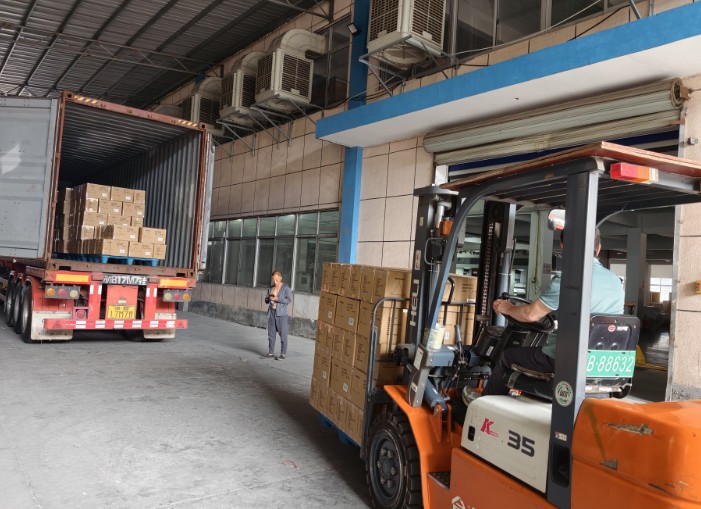
Ningbo Kosda New Material Technology Co., Ltd. was established in 2015 and is located in the Ningbo Binhai Economic Development Zone, China, which is the world's largest deep-water port in terms of throughput and a civilized city in China. It is a large modern production enterprise that integrates the design, research and development, production, and sales of paper products. The company adheres to the principle of quality development, advocates green and environmentally friendly products, and promotes the industrialization of high-tech. Starting from meeting customer needs, we provide high-quality and efficient services.
 Modern Green And Environmentally Friendly Paper Product Manufacturer
-
Products

-
News



 English
 French
 Español
 German


Industry News
OEM Paper Plate Manufacturer for Festival and Party Programs
Content
- 1 OEM Paper Plate Manufacturer for Festival and Party Programs: The Short Answer
- 2 Why Festivals and Parties Create Steady Demand for Custom Paper Plates
- 3 Brand Logo Printing: How Custom Paper Plates Support Brand Visibility
- 4 Working With Ningbo Kosda as an OEM and ODM Partner
- 5 A Coordinated Set: Plates, Cups, Napkins and Wrap From One OEM Factory
- 6 Planning a Seasonal Collection With an OEM Festival Paper Plate Manufacturer
- 7 Where Logos and Patterns Sit on Custom Paper Plates and Cups
- 8 Specification Checklist for Custom Paper Plate and Cup Orders
- 9 FAQ About OEM Paper Plate Manufacturers and Custom Party Goods
- 9.1 Q1: What does an OEM paper plate manufacturer do for a brand owner?
- 9.2 Q2: Can I order a coordinated set of custom paper plates, cups and napkins?
- 9.3 Q3: What should I prepare before contacting a custom paper plate factory?
- 9.4 Q4: Does the factory support gift wrapping paper and other party goods?
OEM Paper Plate Manufacturer for Festival and Party Programs: The Short Answer
An OEM paper plate manufacturer helps brand owners, importers and distributors turn celebrations into branded table moments: the factory prints the customer's logo and seasonal artwork on plates, cups, napkins and wrap, and the customer sells them under its own name. For festival and party programs, the strongest projects start from the calendar, choose one coordinated artwork family, and agree materials and logo placement before samples are made.
Three decisions shape most successful OEM programs:
- Occasion: Which festivals and parties will the products serve, and when does each collection need to reach the shelf?
- Set: Will the brand offer custom paper plates alone, or a coordinated set with cups, snack cups, napkins and gift wrapping paper?
- Brand presence: Where will the logo sit, and how prominent should it be next to the festival artwork?
The sections below use public consumer data to explain why celebration products matter, show how logo printing supports brand visibility, and describe how a B2B factory and its partners can plan a seasonal collection together.
Why Festivals and Parties Create Steady Demand for Custom Paper Plates
Celebrations repeat on a fixed calendar, and each one brings food, guests and shared tables. That rhythm is useful for planning, because a distributor can map product launches to known dates instead of guessing at demand. The National Retail Federation (NRF) publishes annual consumer surveys for the main occasions, and the 2025 figures give a sense of scale.
Chart 1 compares NRF's 2025 spending expectations for five occasions that regularly involve gatherings. Mother's Day leads at $34.1 billion, followed by Valentine's Day at $27.5 billion, Father's Day at $24 billion and Easter at $23.6 billion, while Halloween is forecast at $13.1 billion. These totals cover gifts, food, decorations and outings, so they describe the size of each occasion and not the paper goods segment. Even so, they show that celebration activity is spread across the year, which gives importers several selling windows for coordinated tableware. The gap between occasions also suggests that one artwork family will not suit every season, so themed collections are normally planned per occasion. For an OEM paper plate manufacturer, this calendar is the starting point for deciding which designs to develop and when samples are needed.
Chart 2 shows the share of U.S. adults who said they celebrate each occasion in an April 2025 survey of 7,948 people by Prosper Insights & Analytics with the NRF. Mother's Day reached 83.8 percent, Easter 80.7 percent, Father's Day 75.3 percent and Halloween 73.1 percent. All four sit above 70 percent, which indicates that these occasions are broad-based and not niche. Many of them are marked at home or in small groups, where plates, cups and napkins are used on the table. The narrow range between 73 and 84 percent suggests that no single occasion dominates participation, so a distributor can plan a year-round assortment instead of relying on one season. Participation is not the same as purchasing paper tableware, so the chart indicates reach and not product demand.
Brand Logo Printing: How Custom Paper Plates Support Brand Visibility
A logo on a plate, cup or napkin appears while people eat, talk and celebrate, which gives the brand a place in a positive shared moment. The evidence for branded items comes mainly from promotional product research, and it should be applied to disposable tableware with care. The 2026 ASI Global Advertising Impressions Study surveyed nearly 5,000 consumers in the United States, Canada, Mexico and Europe, and its headline results are shown in Chart 3.
Chart 3 summarizes four findings from the study. About 85 percent of respondents remember the advertiser on a promotional item, 78 percent keep items they find useful, 76 percent are more likely to do business with brands that provide branded merchandise, and 75 percent of U.S. consumers hold a positive opinion of branded merchandise. These figures come from an industry association that represents promotional product suppliers, so they are better read as supportive context and not as neutral proof. The study covers items such as apparel, drinkware and tote bags that stay in use for a long time, while a paper plate is used once, so lifetime impression counts do not transfer to tableware. What does transfer is the principle that a branded item placed in a person's hands at a pleasant moment tends to be remembered. For that reason, logo programs on plates, cups and napkins are described more accurately as a brand touchpoint that sits next to other marketing channels and not as a replacement for them.
What brand penetration looks like in practice
A restaurant group, a retail chain, an event organizer or a gift brand can place its logo on a full set of tableware, so guests meet the same identity on the plate, the cup and the napkin. Distributors can do the same with their own private label. The factory's role is to keep colors, logo size and print quality consistent across every item in the set.
Working With Ningbo Kosda as an OEM and ODM Partner
Ningbo Kosda New Material Technology Co., Ltd. is a China OEM/ODM Catering Packaging Manufacturer and Sustainable Food Packaging Supplier, established in 2015 and located in the Ningbo Binhai Economic Development Zone, China, which is the world's largest deep-water port in terms of throughput and a civilized city in China. It is a large modern production enterprise that integrates the design, research and development, production, and sales of paper products. The company adheres to the principle of quality development, advocates green and environmentally friendly products, and promotes the industrialization of high-tech. Starting from meeting customer needs, we provide high-quality and efficient services.
As a B2B factory, Kosda builds its work around cooperation and shared growth with importers, distributors and brand owners. In OEM projects, the team prints partners' logos and artwork on paper plates, paper cups, napkins and related party goods, so each partner can present its own brand to end customers. In ODM projects, the design and R&D teams can propose formats and structures for a partner's market. The aim is a long-term relationship in which the partner's collections grow season by season and the factory's planning becomes smoother as the two sides learn each other's needs.
How a cooperation project can be organized
- Share the target market, occasions and product range the collection should cover.
- Agree product formats, sizes and materials for plates, cups, napkins and wrap.
- Review artwork and logo placement, then confirm samples.
- Plan production and shipment so that launch dates match the festival calendar.
- Review results with the partner and prepare the next seasonal collection together.
A Coordinated Set: Plates, Cups, Napkins and Wrap From One OEM Factory
A celebration table looks complete when every item shares the same palette and logo treatment. Buying the set from one custom paper plate factory simplifies artwork approval, because one design team checks colors across all products. Table 1 lists the product groups that commonly make up a party or festival set and what a buyer usually discusses for each.
| Table 1. Product groups in a coordinated party and festival set, and typical points to agree with the factory. | ||
| Product | Typical use | Points to agree |
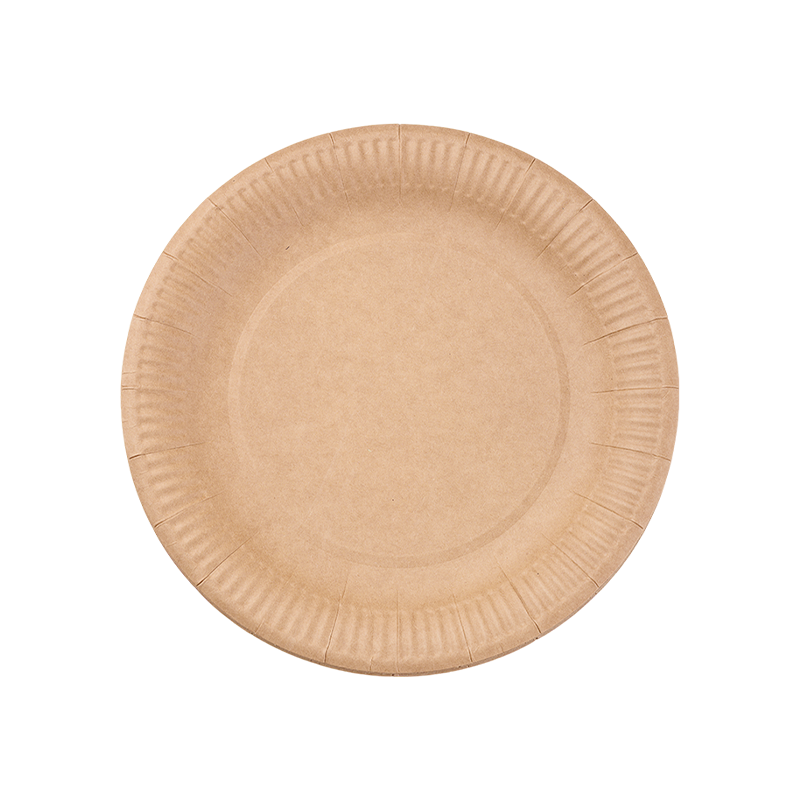
| Custom paper plate | Parties, festivals, family gatherings | Size, rim pattern, logo position |
| Custom dinner plate | Catered meals, seasonal buffets | Larger format, rigidity, print coverage |
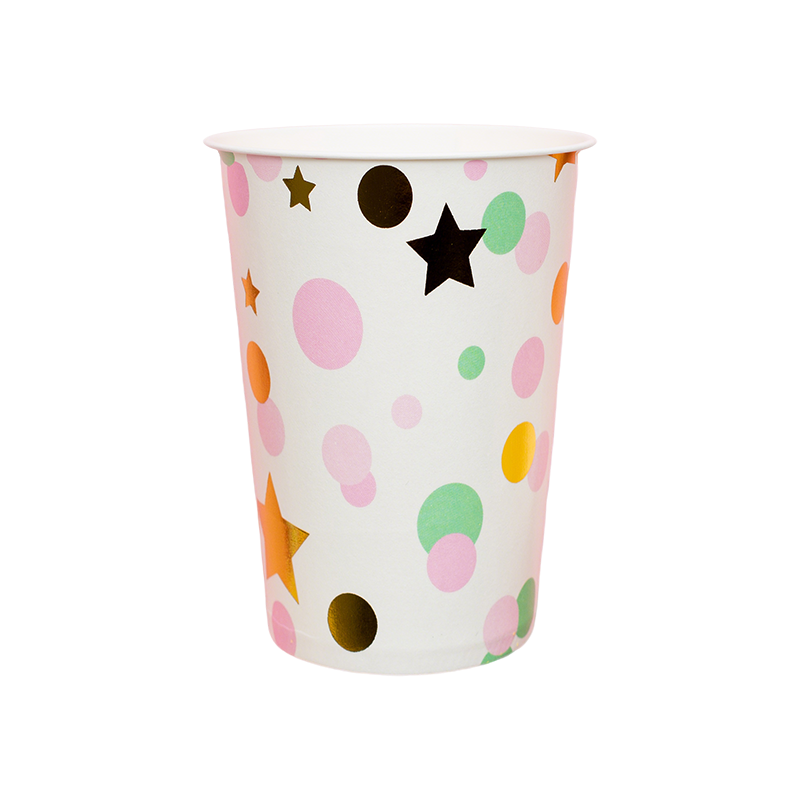
| Custom paper cup | Drinks at events and parties | Volume size, side-wall print, lid pairing |
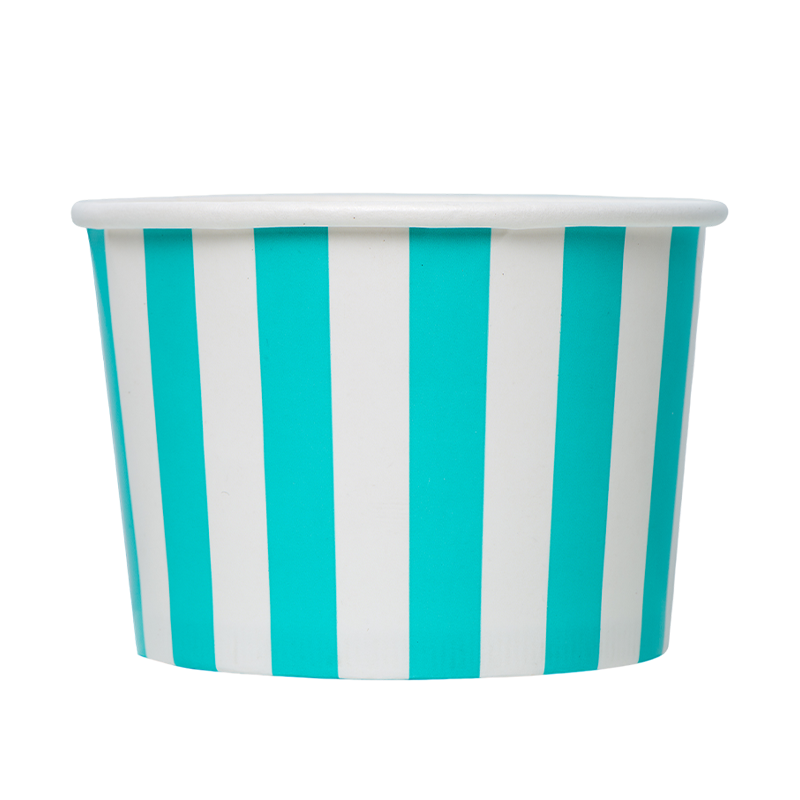
| Custom snack cup | Popcorn, desserts, finger food | Shape, grease resistance, pattern |
| Party napkin / OEM paper napkin | Table settings, cocktail service | Fold, print layout, ply, ink behavior |
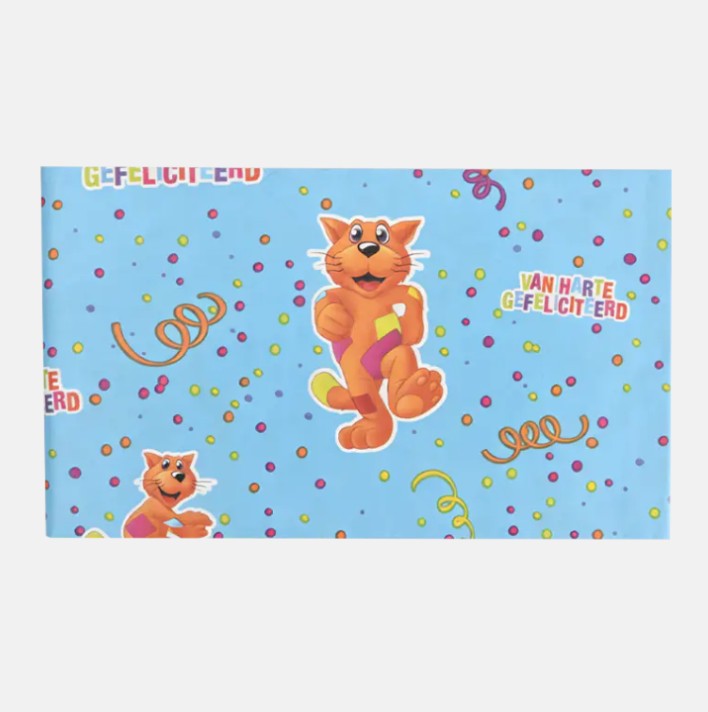
| Gift wrapping paper | Gifting seasons, retail promotions | Sheet or roll format, repeat pattern, logo |
Paper cups and custom snack cups
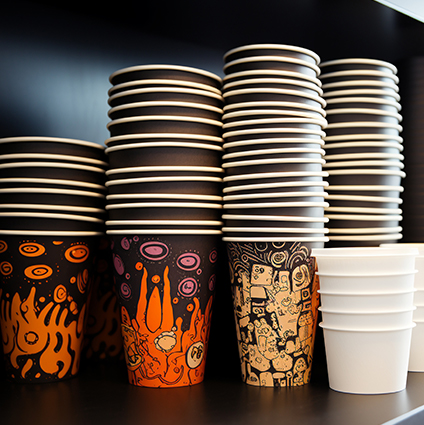
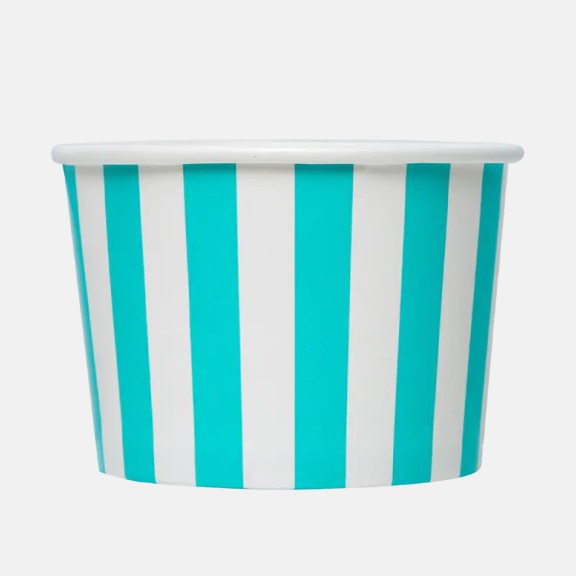
Cups are handled many times during an event, which makes them a strong surface for a logo. A paper cup manufacturer or custom snack cup factory can discuss wall type, inner coating and lid pairing together with the print layout. Snack cups suit popcorn bars and dessert tables, where a printed pattern helps the display look coordinated.
Party napkins and OEM paper napkins
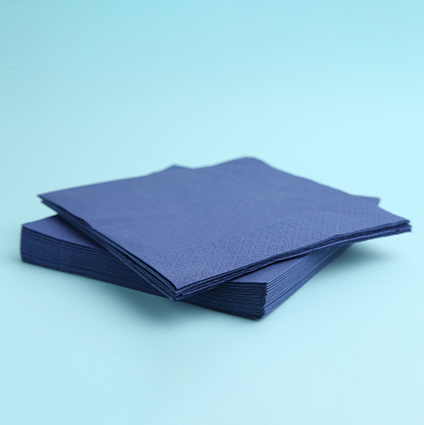
A party napkin manufacturer or factory works with fold, print and ply, and the napkin is often the item guests handle most. An OEM paper napkin with a small logo and a seasonal border can complete a set without competing with the plate design.
Planning a Seasonal Collection With an OEM Festival Paper Plate Manufacturer
A seasonal collection runs smoothly when the theme, products and timing are agreed together. An OEM festival paper plate manufacturer can develop a pattern family for each occasion, and the partner decides which products carry the logo and which carry the pattern only. Table 2 shows how a yearly calendar can be organized.
| Table 2. Example yearly calendar for OEM festival and party collections. | ||
| Occasion | Theme direction | Products to coordinate |
| Valentine's Day | Hearts, soft colors, small-group dining | Plates, napkins, gift wrap |
| Easter and spring | Pastels, flowers, brunch tables | Plates, snack cups, napkins |
| Mother's and Father's Day | Family dining, outdoor gatherings | Dinner plates, cups, napkins |
| Halloween | Bold colors, playful patterns | Plates, snack cups, cups |
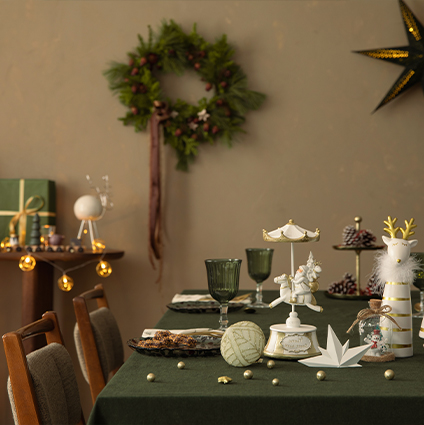
| Year-end holidays | Winter motifs, gifting | Full set including gift wrapping paper |
| Birthdays and brand events | Brand colors with a logo | Custom plates, cups, napkins |
Gift wrapping paper and custom party goods gift wrap
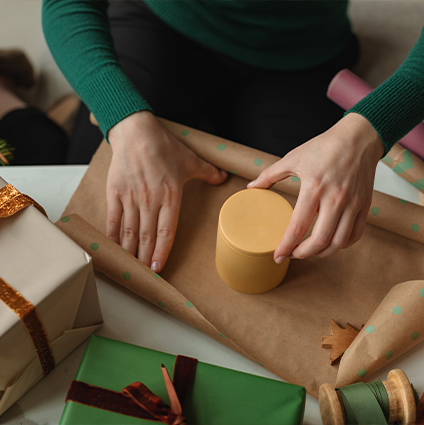
A gift wrapping paper manufacturer or factory serves the gifting side of the same calendar. Wrap that repeats a brand pattern or logo turns every gifted item into a small brand moment, and it pairs naturally with matching plates and napkins for custom party goods gift wrap programs. Retailers often use such wrap during year-end and Valentine's Day promotions, so lead time between artwork approval and shelf date deserves early discussion.
Where Logos and Patterns Sit on Custom Paper Plates and Cups
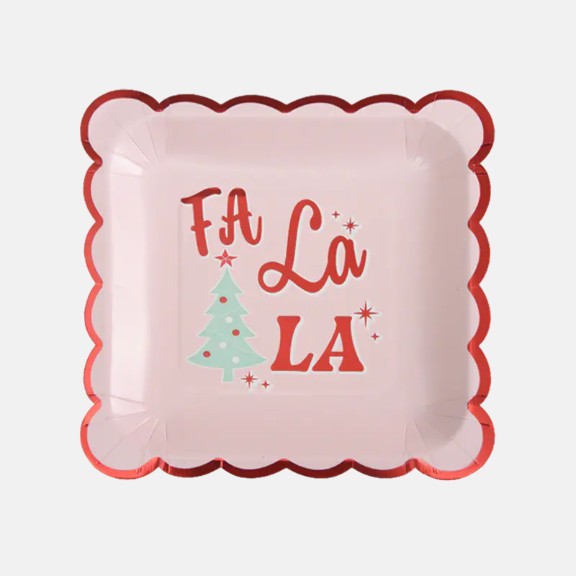
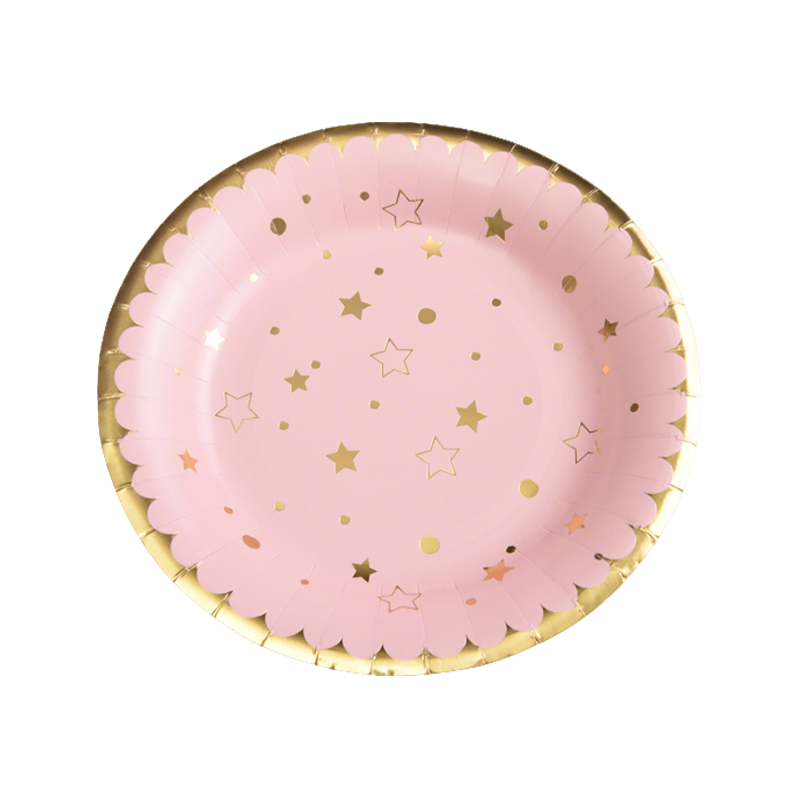
Placement decides how visible a logo is while the item is in use. On a plate, a pattern on the rim leaves the center free for food, and a logo in the well stays visible until the plate is filled. On a cup, a band around the side wall stays in view while the drink is held. Figure 4 illustrates these zones in an isometric view.
Figure 4 shows a custom paper plate with a rim pattern band and a center logo zone, next to a paper cup with a side-wall logo band. The yellow dashed band on the plate marks where seasonal artwork can run around the edge, and the dashed center oval marks a clear area for the brand mark. On the cup, the band wraps the side wall so the logo remains visible when the cup is held. The drawing is a schematic, and real sizes, print areas and bleed margins depend on the product format agreed with the factory. A useful habit is to send the logo in vector format and note which zones should stay clear, so the first sample reflects the intended hierarchy between brand and festival artwork. Reviewing placement on a sample before mass production helps both sides confirm that the logo is legible once the plate is used.
Specification Checklist for Custom Paper Plate and Cup Orders
A clear brief shortens sampling and reduces revisions. Importers and brand owners can use this sequence when contacting an OEM paper plate manufacturer or a paper cup factory.
- List the occasions and launch dates the collection should serve.
- Name the products in the set and the sizes needed for each market.
- Provide the logo files, brand colors and any areas that should stay clear.
- State the food-contact requirements of the destination market, such as the U.S. FDA or EU rules, so materials and inks are chosen accordingly.
- Agree the packing format, carton marks and labeling needed for distribution.
- Approve a sample set before production, and keep the approved sample as the reference for later orders.
Regulations differ by market and change over time, so buyers should confirm current requirements with their own advisers before launching.
FAQ About OEM Paper Plate Manufacturers and Custom Party Goods
Q1: What does an OEM paper plate manufacturer do for a brand owner?
The factory produces plates to the brand owner's specification and prints the brand's logo and artwork on them. The brand owner then sells or distributes the products under its own name, which suits importers, retailers and event businesses.
Q2: Can I order a coordinated set of custom paper plates, cups and napkins?
Yes, a coordinated set is a common project format. Sharing one artwork family across plates, paper cups, snack cups and party napkins keeps colors and logo treatment consistent, and it simplifies approval.
Q3: What should I prepare before contacting a custom paper plate factory?
Prepare the target market, occasion, product list, sizes, logo files in vector format and launch date. With this brief the factory can propose formats and a sampling plan, and both sides can work toward the same timeline.
Q4: Does the factory support gift wrapping paper and other party goods?
Gift wrapping paper and related custom party goods can be discussed as part of an OEM program alongside plates, cups and napkins. Share the pattern, format and logo requirements early so that the team can review feasibility for your collection.
Your email address will not be published. Required fields are marked *
-
Modern Green And Environmentally Friendly Paper Product Manufacturer
-
Quick Links
Home About Us Products News Contact Us -
Product Categories
Paper Plates Paper Cup Paper Napkin Paper Food Container Disposable Paper Tablecloth Wrapping Paper Roll Paper Cutlery -
Contact Us
 Tel: +86-13967818265
0086-13646629749 E-mail: [email protected]
E-mail: [email protected]
E-mail: [email protected]
 Whatsapp: 008613646629749
 Add: 1036 Cidong Avenue, Binhai Economic Development Zone, Ningbo City, Zhejiang Province, China
