
-
About Us
Why Choose Us?
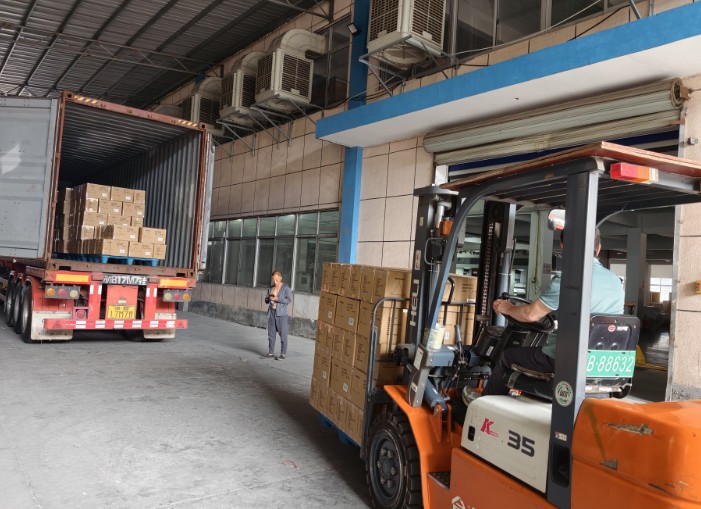
Ningbo Kosda New Material Technology Co., Ltd. was established in 2015 and is located in the Ningbo Binhai Economic Development Zone, China, which is the world's largest deep-water port in terms of throughput and a civilized city in China. It is a large modern production enterprise that integrates the design, research and development, production, and sales of paper products. The company adheres to the principle of quality development, advocates green and environmentally friendly products, and promotes the industrialization of high-tech. Starting from meeting customer needs, we provide high-quality and efficient services.
 Modern Green And Environmentally Friendly Paper Product Manufacturer
-
Products

-
News



 English
 French
 Español
 German


Industry News
Environmentally Safe Food Packaging for Branded Parties | OEM Factory
Environmentally safe food packaging works best for brands when it is specified early, printed with water-based inks on suitable paper board, and built around a real celebration use case. For B2B buyers, the practical route is to work with an OEM factory that can turn one design idea into a coordinated set of paper plates, paper cups, party napkins and gift wrapping paper that carry the brand logo. This guide explains how importers, retailers, restaurant groups, event suppliers and party brands can plan such a program, and what to confirm with a custom paper plate manufacturer before the first order.
Festivals, birthdays, weddings, corporate openings and seasonal promotions are moments when guests look at the table. A logo on a cup or napkin turns that moment into quiet brand exposure, while paper-based tableware answers the growing request for lower-impact disposables. The sections below cover materials, printing, product range, festival planning, workflow and supplier selection, with notes on how both sides can build a cooperation that lasts beyond a single season.
Content
- 1 What Environmentally Safe Food Packaging Means in Practice
- 2 Why Branded Celebration Tableware Supports Brand Growth
- 3 OEM Paper Plate and Custom Paper Cup Options
- 4 Printing and Materials: Matching Technique to Product
- 5 Festival, Party and Seasonal Programs That Create Ceremony
- 6 Party Napkins, Gift Wrap and Table Accessories That Complete the Set
- 7 From Artwork to Delivery: A Practical OEM Workflow
- 8 How to Choose a Paper Tableware Factory for Long-Term Cooperation
- 9 Communicating Sustainability Claims Responsibly
- 10 FAQ About Environmentally Safe Food Packaging
What Environmentally Safe Food Packaging Means in Practice
The phrase covers more than a green label. For paper-based catering products, buyers usually look at four things: the source of the fibre, the food-contact suitability of coatings and inks, the end-of-life route, and the transparency of the supplier. Each item can be reviewed with documents rather than slogans, which is why procurement teams often request material declarations and test reports before approving a new item.
- Fibre source: virgin white paper, kraft board or cup stock, with FSC-certified options available on request.
- Inks and printing: water-based flexographic printing for surfaces that meet food.
- Coating and structure: options for paper plates, hot cups, cold cups and bowls differ, so test reports should match the exact item.
- End of life: recyclable, compostable or biodegradable statements should follow the rules of the destination market.
- Supplier transparency: clear answers about raw materials, production sites and quality checks.
Rules differ by country, so a factory that supplies documents for the specific product and market gives the buyer a clearer basis for decisions than a general statement. A sustainable food packaging manufacturer should also be willing to explain what a product is not designed for, for example very long hot-liquid holding times or high-oil foods in an uncoated board.
Why Branded Celebration Tableware Supports Brand Growth
Disposable party tableware is handled by every guest, photographed at many events and kept in view for the length of a meal. That makes it a practical carrier for a logo, a seasonal pattern or a campaign message. Coffee shops, bakeries, dessert brands, event planners and gift retailers often use a coordinated set so that the cup, plate, napkin and wrapping paper look like one collection.
For brand teams, the value is also practical. A printed cup works at the counter, in delivery bags and in photos shared by customers. A themed plate supports a seasonal menu. A printed napkin adds the brand to every tray. The chart below is an illustrative planning model, not market statistics. It shows how a buyer might rank touchpoints by guest contact time when designing a branded party set.
The chart reflects a simple assumption: items held in the hand or placed in front of the guest carry more visual attention than items that are opened and discarded. Cups lead because they stay with the guest during the whole event. Plates follow, since the print area is large and faces upward on the table. Napkins sit in the middle because they are used briefly but are often photographed as part of a set. Gift wrap and food containers have shorter display time, yet they extend the theme beyond the table. Buyers can replace the scores with their own event data and use the ranking to decide where to place the logo first.
OEM Paper Plate and Custom Paper Cup Options
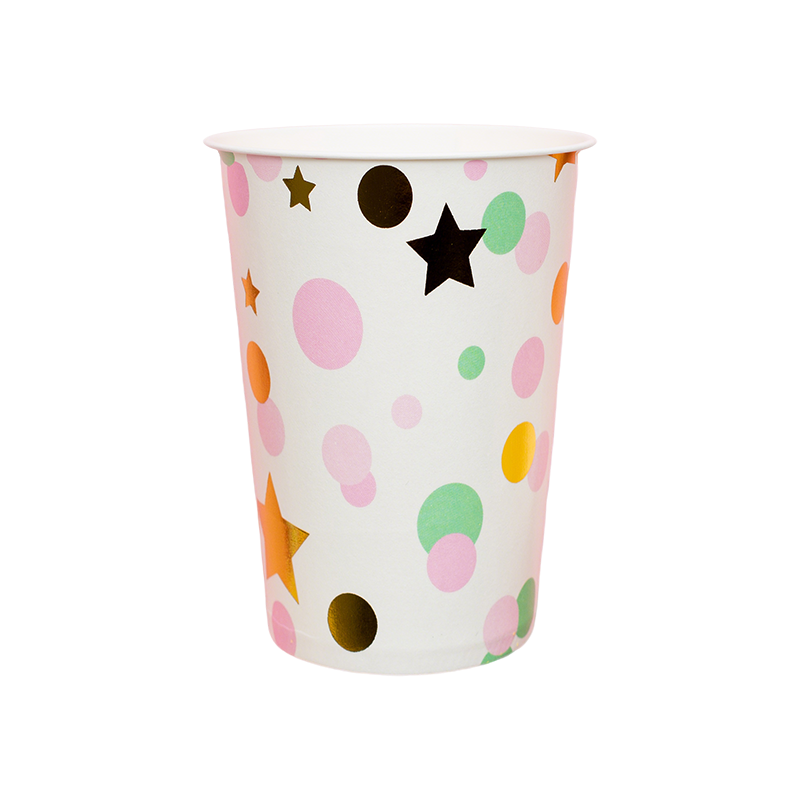
An OEM paper plate manufacturer typically adjusts shape, size, edge style, board, print and packing to fit the buyer's brief. Round, square and oval catering plates, lace-edged plates, wavy-edge designs, dessert plates, salad plates and dinner plates are common requests. For cups, buyers choose between hot cups, cold cups, double wall cups, snack cups and ice cream tubs, with flexographic printing or hot gold foil for the brand mark.
Plates: shape, edge and board
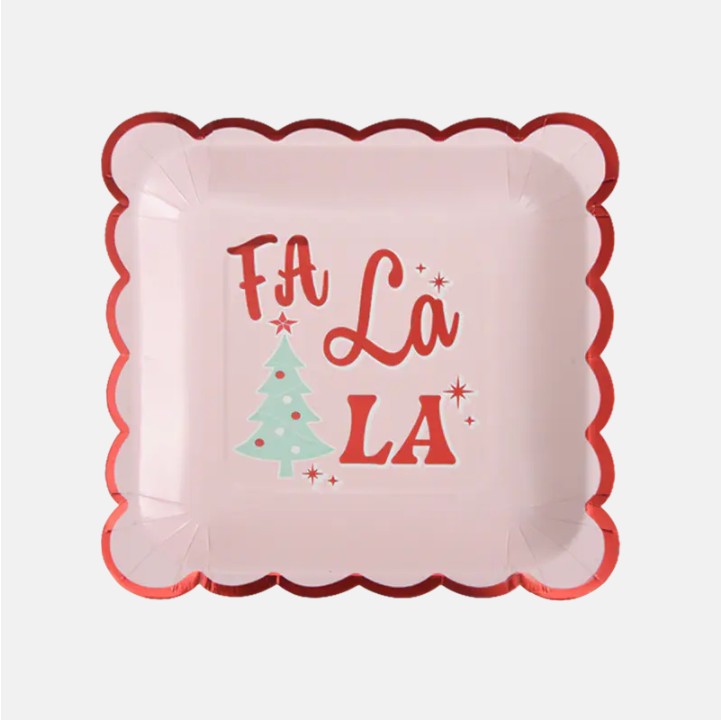
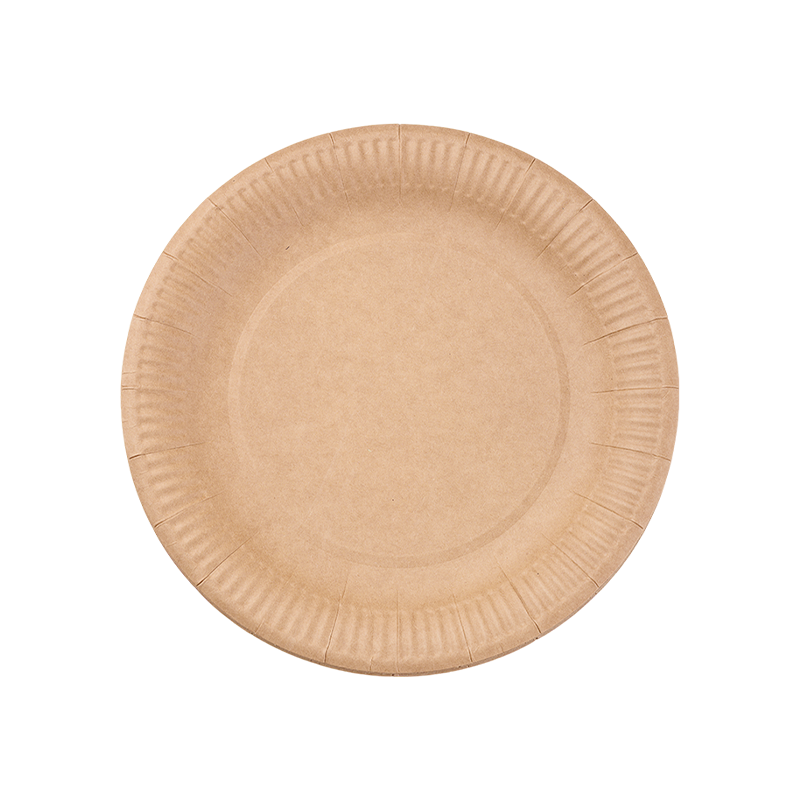
Round plates suit general service, square and oval plates suit buffet and dessert presentation, and lace or wavy edges add a decorative look for weddings and holiday tables. White board gives a clean base for full-colour artwork, while kraft board suits brands that want a natural look. Plate depth, rim width and board thickness affect how well a plate holds sauces or heavier food, so these points should be agreed together with the menu the buyer has in mind.
Cups: structure and print
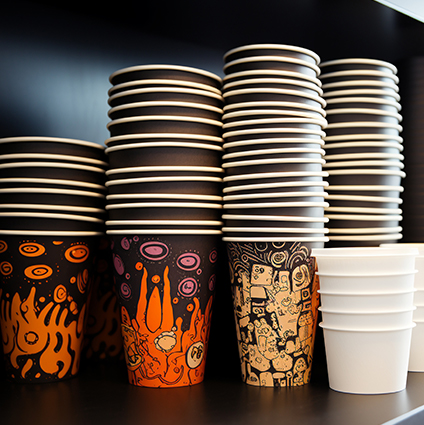
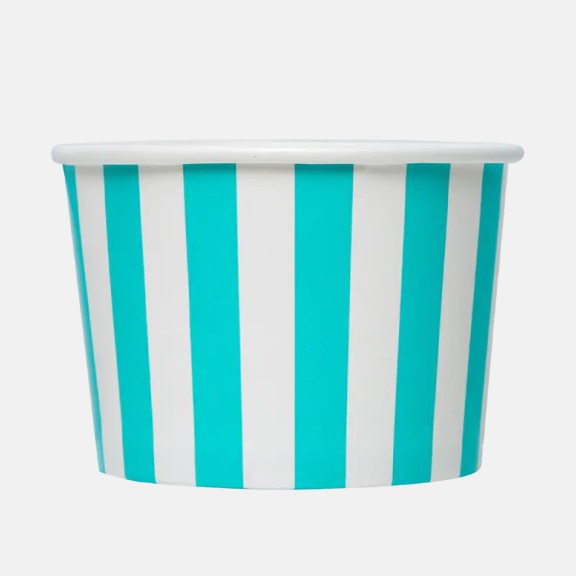
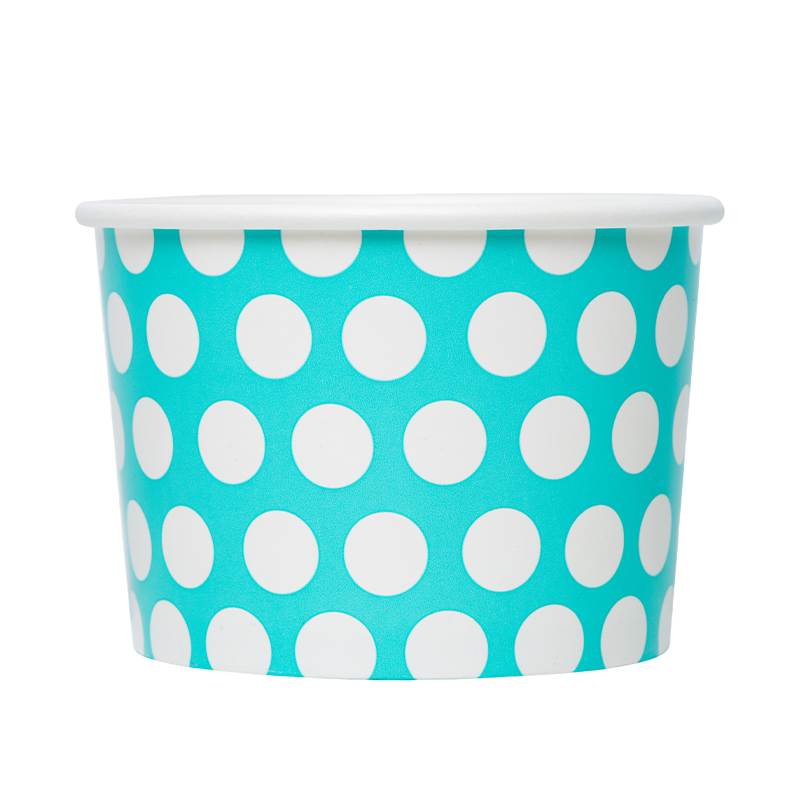
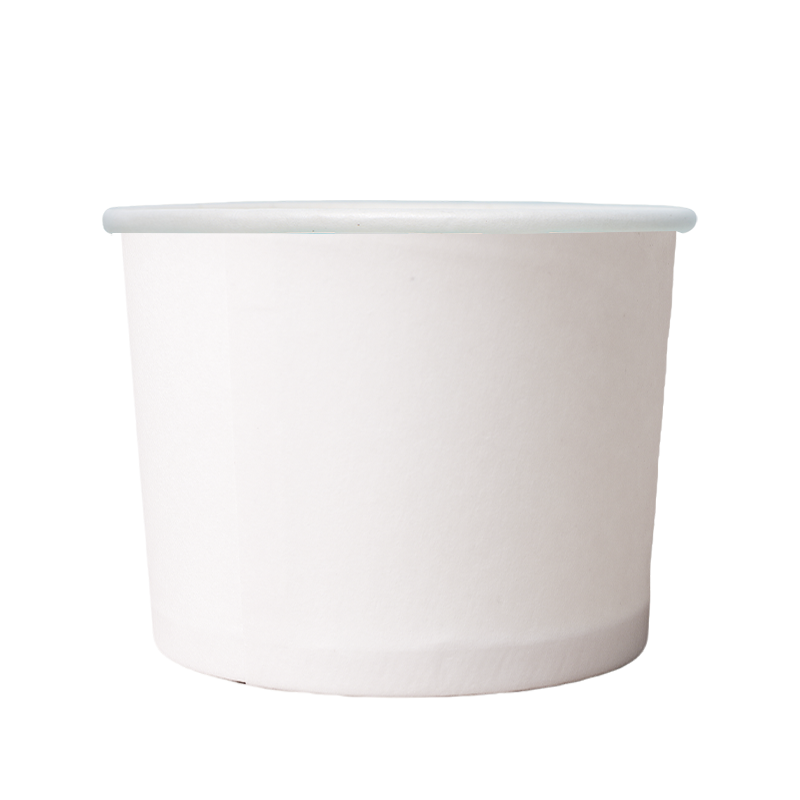
Single wall cups are common for cold drinks and tasting samples, while double wall cups give extra hand comfort for hot drinks. Snack cups and ice cream tubs help dessert shops and cinemas present small portions. Custom printed paper cup projects usually involve a full-wrap pattern, a logo placement on the front, or a foil accent around the rim or brand mark.
| Customization options for branded paper tableware, to be confirmed per project. | ||
| Product | Typical options | Brand use |
| Paper plates | Round, square, oval, lace edge, kraft or white board | Festival patterns, logo in the centre |
| Paper cups | Hot, cold, double wall, snack cup, ice cream tub | Full-wrap print, foil accents |
| Party napkins | Printed, shaped, restaurant and cocktail sizes | Corner logo, seasonal artwork |
| Gift wrapping paper | Coated art paper rolls, kraft, floral sleeves | Repeat pattern with brand colours |
| Food containers | Kraft bowls, soup, salad and noodle bowls, meal containers | Takeaway identity |
| Paper cutlery | Paper knives, forks, spoons, spoon sleeves, cutlery trays | Sleeve print, matching colour set |
Minimum quantities, lead time and artwork rules vary by item, so a quotation request with the target market, size and print colours helps the factory respond with accurate details.
Printing and Materials: Matching Technique to Product
Printing technique affects colour, cost structure and suitability for food contact. Flexographic printing with water-based inks is widely used on paper plates, cups and napkins because it handles repeat patterns and spot colours well. Hot gold foil adds a premium accent for celebration lines. Coated art paper and light-weight coated paper are common for gift wrap, where colour depth matters more than food contact.
The heatmap below is an illustrative planning model of how well each technique or material usually fits each product group. H means a common fit, M means a fit that depends on the design, and L means a less common choice. Final suitability should be confirmed on samples.
The heatmap shows that flexographic printing is a common choice across nearly every product, which is why it is often the starting point for a brand program. Foil accents fit cups and some plates, where a small metallic mark adds a festive feel, but they are less common on napkins and food containers. Kraft board suits plates, gift wrap and food containers for a natural look, while white board gives the cleanest base for bright artwork. Custom shapes are most natural on plates, where edge design is part of the style. Because the grid is a planning aid and not a test result, buyers should treat each cell as a conversation starter with the factory's technical team.
Festival, Party and Seasonal Programs That Create Ceremony
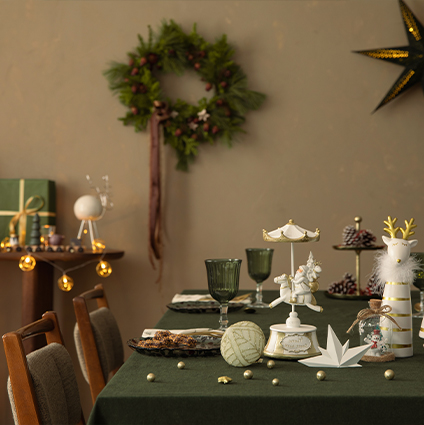
Celebrations call for a sense of ceremony, and tableware is a simple way to deliver it. Holiday paper plates, festive paper cups, holiday-themed napkins and holiday wrapping paper let a brand join seasonal moments without changing its core product. A coordinated festival collection also gives retail buyers a clear story for shelves and online pages.
Typical celebration scenarios
- Christmas and winter collections: printed plates, cups, napkins and wrapping paper in a shared colour story.
- Birthday and family parties: dessert plates, snack cups and shaped napkins for easy table styling.
- Weddings and receptions: lace-edged plates, elegant napkins and table runners with a custom monogram.
- Cultural festivals: patterns adapted to local traditions for importers serving specific communities.
- Corporate events and store openings: logo-led cups, napkins and gift wrap for brand activation.
Seasonal collections benefit from early planning. Design approval, sampling and production for holiday lines are usually arranged well ahead of the selling window, so buyers often open the project several months before the season. The next chart is again an illustrative planning model: it shows how a buyer might split a first seasonal order across product groups.
This split is a starting example, not a recommendation for every market. It places the largest share on plates and cups because they carry the main pattern and are used in the greatest number of settings. Napkins take a quarter, since they are easy to test and simple to pair with any theme. Gift wrap and containers take smaller shares, which allows the buyer to test demand before expanding. After the first season, sales data can guide a different balance. Sharing that data with the factory helps both sides plan paper board, printing plates and production slots earlier.
Party Napkins, Gift Wrap and Table Accessories That Complete the Set
Brands often start with cups and plates, then extend the same artwork to a party napkin, a paper tablecloth, a table runner or a roll of gift wrapping paper. A coordinated range is easier to merchandise in stores and easier to photograph for social media. A party napkin manufacturer that also prints gift wrap can keep colours consistent across paper types, which reduces rework at the design stage.
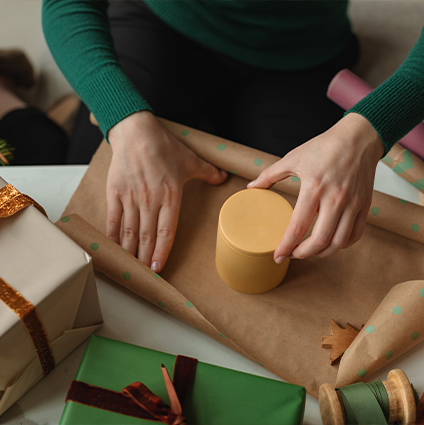
Gift wrapping paper deserves its own planning. Coated art paper rolls, kraft wrapping paper, floral bouquet sleeves and double-side printed rolls each serve a different retail setting. Florists, gift shops and bakeries use them to present products, and a repeat pattern in brand colours makes every parcel look consistent. Table linens such as disposable paper tablecloths, placemats and table runners add another surface for the same artwork, helping event hosts build a full tablescape from one supplier.
| Coordinated product groups for a celebration range, to be adapted per brand. | ||
| Group | Items | Role in the range |
| Serve | Plates, bowls, cups, cutlery | Main pattern and logo carrier |
| Table | Napkins, tablecloths, placemats, runners | Theme and atmosphere |
| Gift | Wrapping paper rolls, bouquet sleeves | Extend the theme to presents |
| Take away | Kraft food containers, snack cups | Carry the brand outside the venue |
Planning these groups together lets the factory arrange printing and packing in one workflow, which helps buyers who manage several festival lines at once.
From Artwork to Delivery: A Practical OEM Workflow
A clear workflow reduces misunderstandings between the brand team and the factory. The steps below are common in custom paper cup and custom paper plate projects.
- Share the brief: product type, size, board, target market and expected annual volume.
- Send artwork files with brand colours; the factory checks print area and food-contact requirements.
- Review samples and confirm structure, colour and edge details.
- Approve the production plan, packing method and labelling.
- Inspect finished goods and arrange shipment from the Ningbo port area.
The next chart is an illustrative planning model of how attention might be spread across the stages, so teams can assign owners on both sides.
The chart suggests that most planning effort sits at the start. A complete brief and well-prepared artwork save time later, because changes after sampling usually need new printing plates. Sampling still needs careful review, particularly for colour and cup structure. Production and shipping depend on earlier approvals, so their workload is lower from the buyer's side. Teams can use this view to schedule internal approvals before a holiday deadline, and to agree on response times with the factory.
How to Choose a Paper Tableware Factory for Long-Term Cooperation
A paper cup factory or paper plate factory is more than a source of goods; it is a partner whose capacity and communication affect the buyer's season. When comparing suppliers, consider the following points.
- Range of products under one roof, from plates and cups to napkins, gift wrap and kraft food containers.
- Printing capability, including flexographic printing and foil options.
- Documentation for food-contact materials and certified paper sources.
- Willingness to support design adjustment and small trial runs.
- Port access and export experience for smoother logistics.
- Clear communication on schedules, so seasonal lines arrive when shelves are being set.
Cooperation works best when both sides share forecasts, brand guidelines and feedback openly. Over several seasons, this builds a pattern library and a reliable production rhythm that benefits both the brand and the factory. The goal is mutual growth: the brand gains consistent, well-presented products, and the factory gains planning visibility that supports steady quality.
Ningbo Kosda New Material Technology Co., Ltd. is a China OEM/ODM Catering Packaging Manufacturer and Sustainable Food Packaging Supplier, established in 2015 and located in the Ningbo Binhai Economic Development Zone, China, which is the world's largest deep-water port in terms of throughput and a civilized city in China. It is a large modern production enterprise that integrates the design, research and development, production, and sales of paper products. The company adheres to the principle of quality development, advocates green and environmentally friendly products, and promotes the industrialization of high-tech. Starting from meeting customer needs, we provide high-quality and efficient services. As a B2B factory, we focus on win-win cooperation with brands, distributors and event suppliers.
Communicating Sustainability Claims Responsibly
Buyers who sell environmentally safe food packaging to consumers should keep claims specific and traceable. Describe the paper source, the print method and the disposal guidance that applies in the selling market, and avoid broad statements that cannot be supported by documents. Clear labelling builds trust with retailers and end customers, and it protects the brand from disputes.
- Name the material, for example kraft board or white cup stock, rather than using general words.
- Keep certificates and test reports on file for each product line.
- Use disposal icons and wording that match local rules.
- Review packaging copy with the factory before printing, so statements match what the product is.
A factory partner that is open about materials makes this process easier, and it lets the brand tell a sustainability story that holds up when a customer asks questions.
FAQ About Environmentally Safe Food Packaging
Q1: Can environmentally safe food packaging carry my brand logo?
Yes. Paper cups, plates, napkins and wrapping paper can be printed with a logo using water-based flexographic printing, subject to artwork review and the product structure.
Q2: What should I send to an OEM paper plate manufacturer to start?
Send the product type, size, preferred board, artwork, target market and estimated volume. This helps the factory advise on structure and printing.
Q3: Are festival and party designs available for several product types?
Yes. One theme can be applied across plates, cups, napkins, gift wrap and food containers so the set looks consistent.
Q4: How do I confirm the packaging suits my market's food-contact rules?
Ask the factory for material and test documents for the exact item and discuss the destination market early, since requirements differ by country.
Your email address will not be published. Required fields are marked *

-
Modern Green And Environmentally Friendly Paper Product Manufacturer
-
Quick Links
Home About Us Products News Contact Us -
Product Categories
Paper Plates Paper Cup Paper Napkin Paper Food Container Disposable Paper Tablecloth Wrapping Paper Roll Paper Cutlery -
Contact Us
 Tel: +86-13967818265
0086-13646629749 E-mail: [email protected]
E-mail: [email protected]
E-mail: [email protected]
 Whatsapp: 008613646629749
 Add: 1036 Cidong Avenue, Binhai Economic Development Zone, Ningbo City, Zhejiang Province, China
